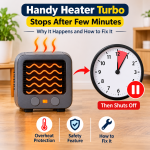
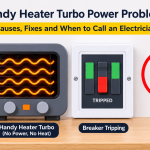
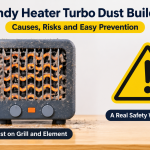
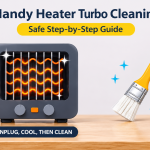
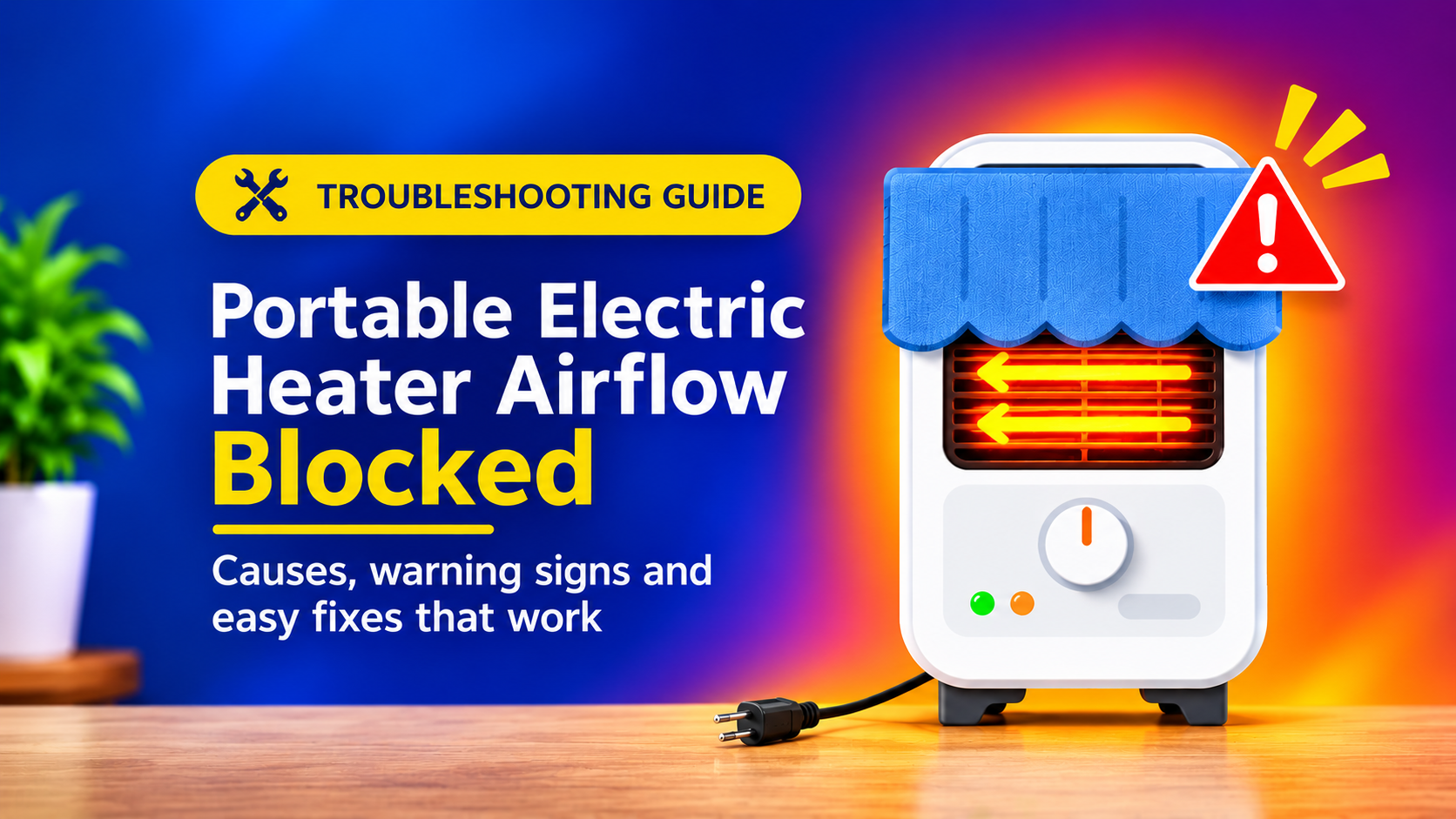

Your portable electric heater is switched on, but the room barely feels warmer. The fan sounds strained, the casing feels unusually hot, or the heater clicks off every few minutes. These are classic signs of a heater with blocked airflow, one of the most common and most serious problems with space heaters.
A portable electric heater needs a steady stream of air to work properly. Air carries heat away from the element and into your room, and it also keeps the internal parts from overheating. When something restricts that airflow, the heater loses efficiency, its safety devices start to trip and, in the worst cases, it becomes a fire hazard. This guide explains how airflow works, what blocks it, how to recognize the warning signs and exactly what to do to fix it and prevent it from happening again.
Quick Summary
- Blocked airflow reduces heat output and forces the heater to overheat.
- The usual causes are dust, a clogged filter, nearby fabric or furniture, soft floors and covering the heater.
- Warning signs include weak heat, a strained fan, a hot casing, repeated shut-offs and burning smells.
- The fix is simple: unplug, let it cool, clear the surroundings, clean the vents and filter, then test on low.
- If the problem returns, or you see smoke or smell melting plastic, stop using the heater and have it checked.
How Airflow Works in a Portable Electric Heater

Most portable electric heaters, especially ceramic and fan-forced models, follow the same basic path. Cool room air is drawn in through the intake vents at the back or sides. A fan pushes that air across the heating element, which warms it. The warm air then leaves through the front grille and spreads into the room. The same moving air also cools the internal components and the housing.
Other designs use airflow differently. Convection and panel heaters rely on natural circulation, with cool air entering low slots and warm air rising out of the top. Oil-filled radiators and infrared heaters have no fan, but they still depend on open space around their surfaces to release heat safely. In every case, if the air path is restricted, heat builds up where it should not.
Why Blocked Airflow Is a Serious Problem
- Poor heating performance: Less air across the element means less warm air entering the room.
- Overheating: Heat that cannot escape builds up inside the housing and around the element.
- Safety shut-offs: Overheat protection trips again and again, and some models include a thermal fuse that can disable the heater permanently once it blows.
- Component wear: Fan motors, switches and wiring age faster under constant heat and strain.
- Burning smells and smoke: Dust and fabric near a very hot surface can scorch.
- Fire risk: Blankets, curtains, clothes and furniture placed against or over a heater can ignite when heat is trapped.
- Higher running costs: A heater that struggles to heat the room runs longer for the same result.
Warning Signs That Your Heater’s Airflow Is Blocked

Do not wait for a complete failure. These signs usually appear first:
| Sign | What It Means | Action |
|---|---|---|
| Weaker heat or slow warm-up | Not enough air is moving across the element | Check vents and filter soon |
| Louder or labored fan | Dust or restriction is making the fan work harder | Unplug and clean |
| Casing or grille unusually hot | Heat is not being carried away | Switch off, cool down, clear blockage |
| Heater shuts off by itself | Overheat protection is activating | Do not keep restarting it; clean and inspect |
| Burning smell, smoke or melted plastic odor | Severe overheating or an electrical fault | Unplug immediately and stop using it |
Common Causes of Blocked Airflow

1. Dust, Lint and Pet Hair
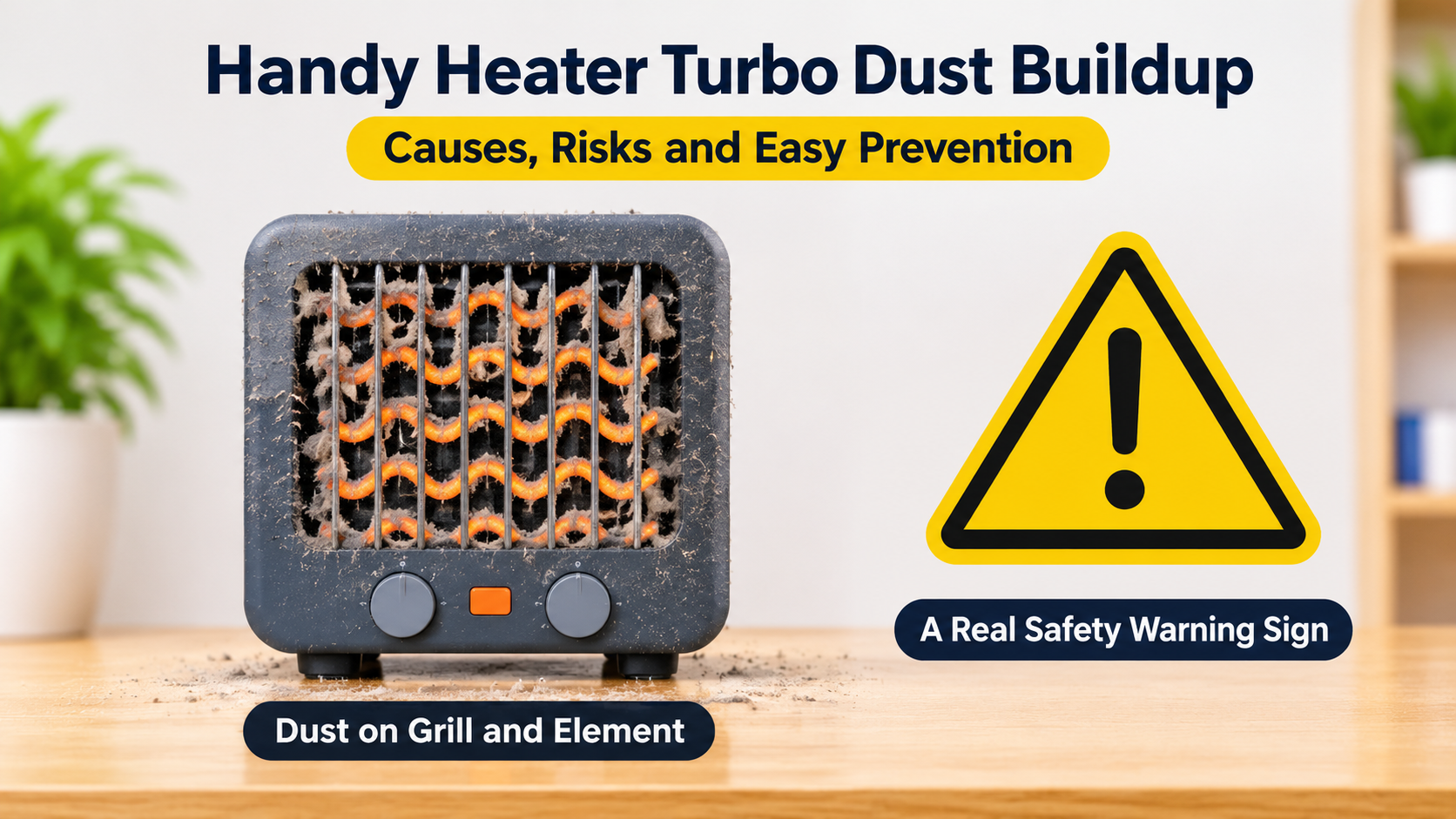
Heaters pull in large volumes of room air, so they also pull in dust, lint and hair. Over time this packs into the vents, coats the fan and builds up around the element. It is the most common cause of reduced airflow and is easy to fix with regular cleaning.
2. A Clogged or Dirty Filter
Some heaters have a removable air filter behind the rear panel. When it clogs, the fan struggles to pull in air. Check your manual to see whether your model has a filter and whether it can be washed or must be replaced.
3. Curtains, Bedding and Blankets
Fabric near a heater can drape over the intake or the outlet and block air, and it is also flammable. Never let curtains, bedding, towels or blankets touch or hang near a heater.
4. Furniture and Objects Too Close
A sofa, bed, table or storage box placed close to the front grille stops warm air from leaving. A wall or object tight against the rear intake restricts incoming air. Most manuals recommend leaving a generous clear area around the heater, commonly at least 3 feet (about 1 metre) at the front and sides.
5. Rugs, Carpets and Soft Surfaces
Many heaters draw air through vents in the base. A deep rug, thick carpet, bed or sofa can cover these vents and also make the heater unstable. A hard, flat floor is best.
6. Covering the Heater or Drying Clothes on It
Draping clothes, towels or a cover over a heater to dry them is dangerous. It blocks the outlet, traps heat and can start a fire. A heater is not a clothes dryer and should never be covered while it is on.
7. Debris Inside the Housing
Small objects, crumbs, paper bits, packing material or even insect nests can fall into the vents and obstruct the fan or the airflow. This happens more often with heaters stored in garages or basements.
8. A Fan That Is Not Spinning Properly
Sometimes the airflow is poor not because the air path is blocked from outside, but because the fan itself is damaged, loose or failing. If the vents are clear and the filter is clean but the fan is slow, noisy or silent, the heater likely needs professional repair or replacement.
Is It Really Blocked Airflow? Quick Diagnosis
- Is the heater clean? Check the grille and vents for visible dust or lint.
- Is anything near it? Look for curtains, furniture, bedding or objects within about 3 feet (1 metre).
- Is it on a hard, flat surface? Soft or uneven floors can restrict the base vents.
- Does it have a filter? Check whether it is dirty or damaged.
- Is the fan spinning freely? Gently check, with the heater unplugged and cool, that nothing is stuck in the vents.
- Does it overheat only after a few minutes? That strongly suggests restricted airflow.
How to Fix Blocked Airflow Step by Step

Step 1: Switch Off, Unplug and Cool Down
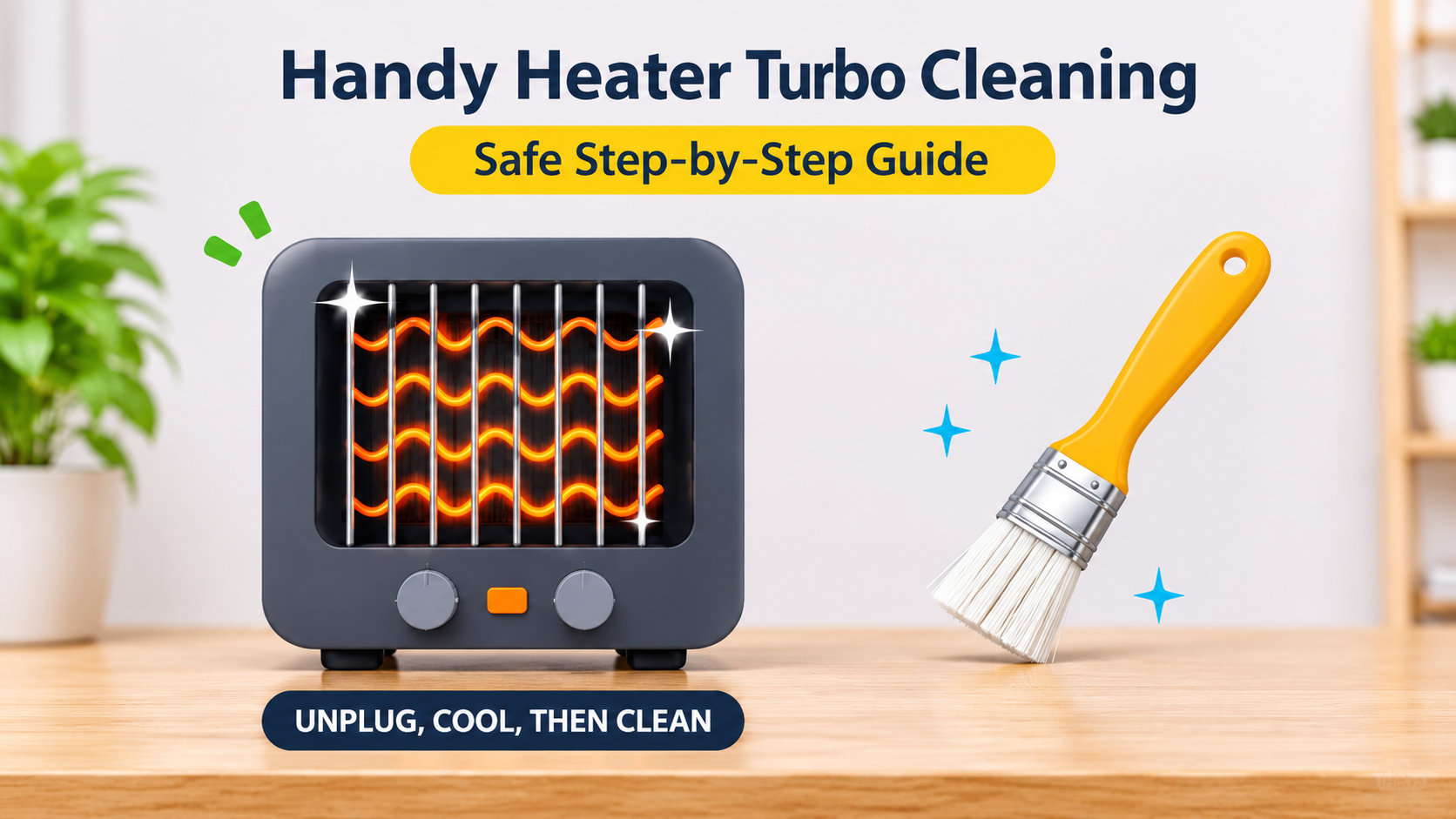
Turn the heater off, remove the plug from the socket and wait at least 30 minutes. Never clean a hot or plugged-in heater.
Step 2: Clear the Surroundings
Move curtains, bedding, clothes, boxes and furniture away from the heater. Make sure it is on a hard, level surface and that nothing is touching it or covering any vents.
Step 3: Vacuum the Vents and Grille
Use the soft brush attachment on your vacuum to clean the front grille, the rear and side intakes and the base vents. Loosen packed dust with a dry paintbrush and vacuum it away. Work slowly so you do not push dust deeper into the heater.
Step 4: Clean or Replace the Filter
If your model has a filter, remove it and tap off loose dust. Vacuum it, and wash it only if the manual says it is washable. Let it dry completely, usually 12 to 24 hours, before putting it back. Replace it if it is damaged or worn.
Step 5: Check the Fan Area
Without removing sealed parts, look through the grille for obstructions. If your manual allows you to open the rear cover, wipe the fan blades gently with a dry or barely damp cloth. Do not bend the blades, and never run the heater with the cover off.
Step 6: Wipe and Dry the Exterior
Wipe the casing with a barely damp microfiber cloth and dry it with a clean cloth. Keep moisture away from the vents, controls and electrical parts.
Step 7: Test on a Low Setting
Plug the heater directly into a wall outlet and run it on low for a few minutes. Check that warm air flows out steadily, the fan sounds normal and there is no burning smell. If everything feels right, you can use it normally again.
Safety note: Never remove, bypass or tamper with overheat protection or tip-over switches. If the heater keeps shutting off after cleaning, do not keep resetting it. Have it inspected by a qualified technician or replace it.
Blocked Airflow by Heater Type
| Heater Type | Typical Airflow Problem | What to Check |
|---|---|---|
| Ceramic / fan heater | Dust-clogged intake, filter or fan | Rear vents, filter, grille, fan blades |
| Oil-filled radiator | Covered fins trap heat and trigger cut-outs | Remove clothes or covers, leave space around the fins |
| Infrared / quartz | Objects in front block radiant heat and overheat | Clear the area in front, clean the reflector |
| Convection panel heater | Blocked top or bottom slots stops natural circulation | Vacuum slots, keep furniture and curtains clear |
| Small desktop heater | Papers or items placed against the front or back | Keep the desk around it clear |
How to Prevent Blocked Airflow

Keep a Clear Zone
Maintain at least 3 feet (about 1 metre) of free space around the heater, unless your manual specifies otherwise. This protects airflow and keeps flammable items away from hot surfaces.
Use a Hard, Flat Floor
Stable, hard surfaces keep base vents open and keep the tip-over switch working properly. Avoid beds, sofas and thick rugs.
Dust Weekly, Deep Clean Monthly
A quick vacuum of the grille and vents each week during heavy use stops dust from building up. Once a month, clean the filter, rear vents and exterior thoroughly.
Never Cover the Heater
Do not drape clothes, towels or blankets over a heater, and never use it to dry laundry.
Keep Pets and Children Away
Pets can lie against heaters and block vents with their bodies and fur, and children can drop toys or paper into the grille. A clear zone helps with both.
Plug Straight Into the Wall
Portable heaters draw a lot of power. Use a wall outlet rather than an extension cord or power strip unless the manual explicitly allows it, since overheated cords can add another safety problem on top of restricted airflow.
Store It Properly in the Off Season
Clean it, dry it and store it covered in a dry place so debris and pests do not get inside before next winter.
Troubleshooting Table
| Problem | Likely Cause | What to Do |
|---|---|---|
| Heat is weak but the fan sounds normal | Dust on the element or restricted outlet | Clean the grille and clear the front of the heater |
| Fan is loud or rattling | Dust on blades or debris in the housing | Unplug, clean carefully; seek repair if it continues |
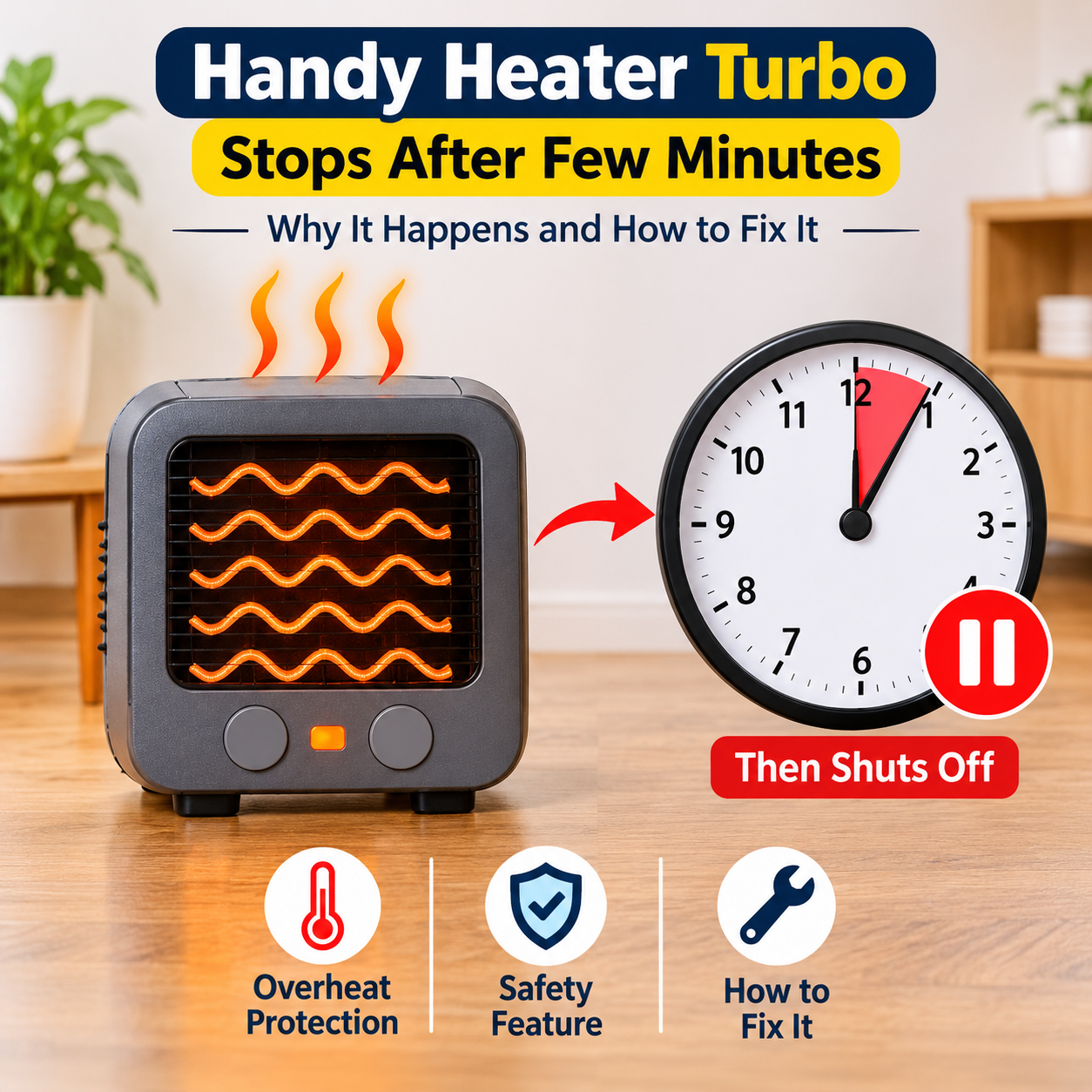
| Heater shuts off after a few minutes | Overheat protection from blocked airflow | Cool completely, clean, clear the surroundings, test on low |
| No airflow at all | Fan failure, tripped thermal fuse or power fault | Stop using it and contact the manufacturer or a technician |
| Burning smell that does not fade | Scorching dust, trapped fabric or an electrical fault | Unplug at once and do not use until inspected |
When to Stop Using Your Heater
Stop using the heater and get it checked or replaced if you notice any of the following:
- Smoke, sparks or a strong burning or melting-plastic smell
- A cord, plug or outlet that is hot, discolored or damaged
- Melted, warped or cracked housing
- Repeated shut-offs even after cleaning and clearing the area
- No airflow at all, or a fan that no longer spins freely
- Damage from being dropped, tipped over or exposed to liquid
Choosing a Heater That Handles Airflow Well
If you are replacing a heater, look for features that make airflow problems easier to avoid:
- Overheat protection: Switches the heater off before temperatures become dangerous.
- Tip-over protection: Shuts the heater off if it is knocked over or sits at an unsafe angle.
- Removable, washable filter: Easy to clean and keeps airflow strong.
- Accessible vents and grille: Easier to vacuum and inspect.
- Cool-touch housing: Reduces the risk of damage or burns if something touches the outside.
- Recognized safety certification: Look for a mark from a recognized testing organization on the product label.
- Right size for the room: A heater that is too small runs constantly and works harder.
Frequently Asked Questions
Why is my portable heater blowing cold air?
Blocked airflow can cause the heater to trip its overheat protection, which turns off the heating element while the fan keeps running. Dust, a dirty filter or objects around the heater are the usual causes. Unplug it, let it cool, clean it and clear the area. If it still blows cold air, the heating element or thermostat may be faulty.
Can blocked airflow cause a fire?
Yes. Heat trapped inside or around the heater can scorch dust, fabric and nearby furniture, and in serious cases lead to a fire. That is why safety organizations stress keeping heaters clear of flammable materials and never covering them.
How far should a heater be from furniture and curtains?
A commonly recommended minimum is 3 feet (about 1 metre) on all sides, but always follow your user manual because requirements can differ between models.
Why does my heater shut off after a few minutes?
The overheat protection is probably activating because of restricted airflow, a dirty filter, a dusty element or a heater positioned too close to a wall or furniture. Clean it, move it into open space and test on a low setting. If it continues, stop using it and have it checked.
Can I clean the inside of my heater to restore airflow?
You can clean the accessible areas such as the vents, grille and filter. Do not open sealed housings or touch internal wiring unless the manual instructs you to. For internal problems, contact a qualified technician.
Does an oil-filled heater need airflow too?
Yes, although it has no fan. It releases heat from its surface, so it needs free space around it. Covering it with clothes or blankets traps heat, triggers the cut-out and creates a fire risk.
Can I use a heater under a desk or inside a cabinet?
Only if the manufacturer specifically designs and approves it for that use. Most portable heaters need open space around them, and enclosing them restricts airflow and increases the risk of overheating.
Will a dirty filter make my electricity bill higher?
It can. When airflow is restricted, the heater may take longer to warm the room or run more often to reach the temperature you want.
Final Thoughts
A portable electric heater with blocked airflow is not just inefficient, it is a safety concern. Fortunately, the fixes are quick and cheap: unplug and cool the heater, clear the surroundings, clean the vents and filter, place it on a hard, flat floor and test it on low. Combine these steps with a weekly dust-off and a clear zone of about 3 feet (1 metre) around the heater, and you will enjoy stronger heat, quieter operation and much greater peace of mind throughout the winter.
If the airflow problem keeps coming back or you notice any sign of smoke or burning, stop using the heater right away and have it professionally inspected or replaced.
Disclaimer: This guide offers general information. Always follow the instructions and safety warnings in your heater’s user manual, and contact the manufacturer or a qualified technician if you notice damage, smoke or unusual behavior.