
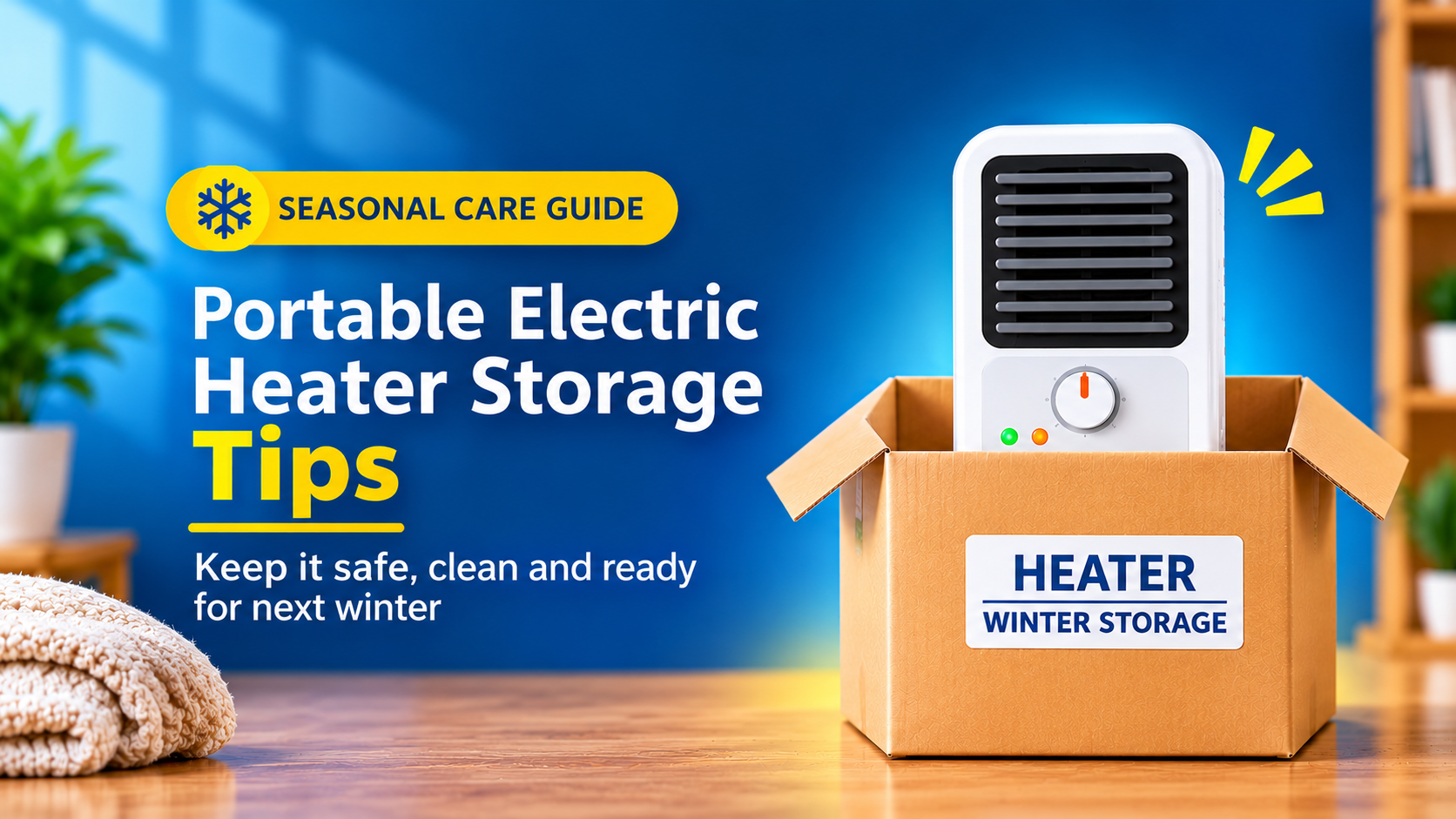

When spring arrives, the portable electric heater that kept you warm all winter usually gets pushed into a corner, shoved into a closet or dumped in the garage. Months later, when the first cold snap hits, you pull it out only to find a dusty body, a tangled cord, a strange smell or even a heater that no longer works properly.
Most of these problems come from one simple thing: poor storage. The right portable electric heater storage tips protect the heating element, keep the cord and plug in good condition, prevent rust and dust, and make your heater safe to switch on again next season. This complete guide shows you exactly how to prepare, pack and store your heater, where to keep it and what to check before you use it again.
Quick Summary
- Unplug the heater and let it cool completely before you touch it.
- Clean the vents and body, then make sure everything is fully dry.
- Coil the cord in loose loops. Never wrap it tightly around the heater.
- Pack the heater in its original box or a sturdy container, ideally with a breathable cover.
- Store it upright in a cool, dry, indoor place away from chemicals and extreme temperatures.
- Inspect and test it before using it again.
Why Proper Heater Storage Matters
A heater is a simple-looking appliance, but it contains a heating element, wiring, switches and often a fan or sealed oil reservoir. Careless storage can cause several problems:
- Dust and lint buildup: An uncovered heater collects dust all summer, which then burns off with a smell when you turn it on.
- Moisture damage: Humid rooms can lead to rust on metal parts and corrosion on plug prongs and internal contacts.
- Cord damage: Tight wrapping and heavy objects can crack the insulation and damage the wires inside.
- Physical damage: Knocks, drops and stacked items can crack the housing, bend the grille or damage the tip-over switch.
- Pest problems: Mice and insects sometimes nest in warm, dark places, including heater housings.
- Safety risks: A damaged cord, cracked casing or dust-packed element becomes a hazard when the heater is switched back on.
Spending 15 to 20 minutes on proper storage can save you the cost of a replacement and keep your home safer.
When Should You Store Your Portable Heater?
The best time to store your heater is once nights are consistently warm enough that you no longer need it, usually after the heating season ends. If you are unsure, use it for a final week or two of cool evenings, then follow the steps in this guide. Waiting too long leaves it sitting out and collecting dust, while storing it too early means you may have to dig it out again during a late cold snap.
Step-by-Step: How to Store a Portable Electric Heater

Step 1: Switch Off, Unplug and Let It Cool
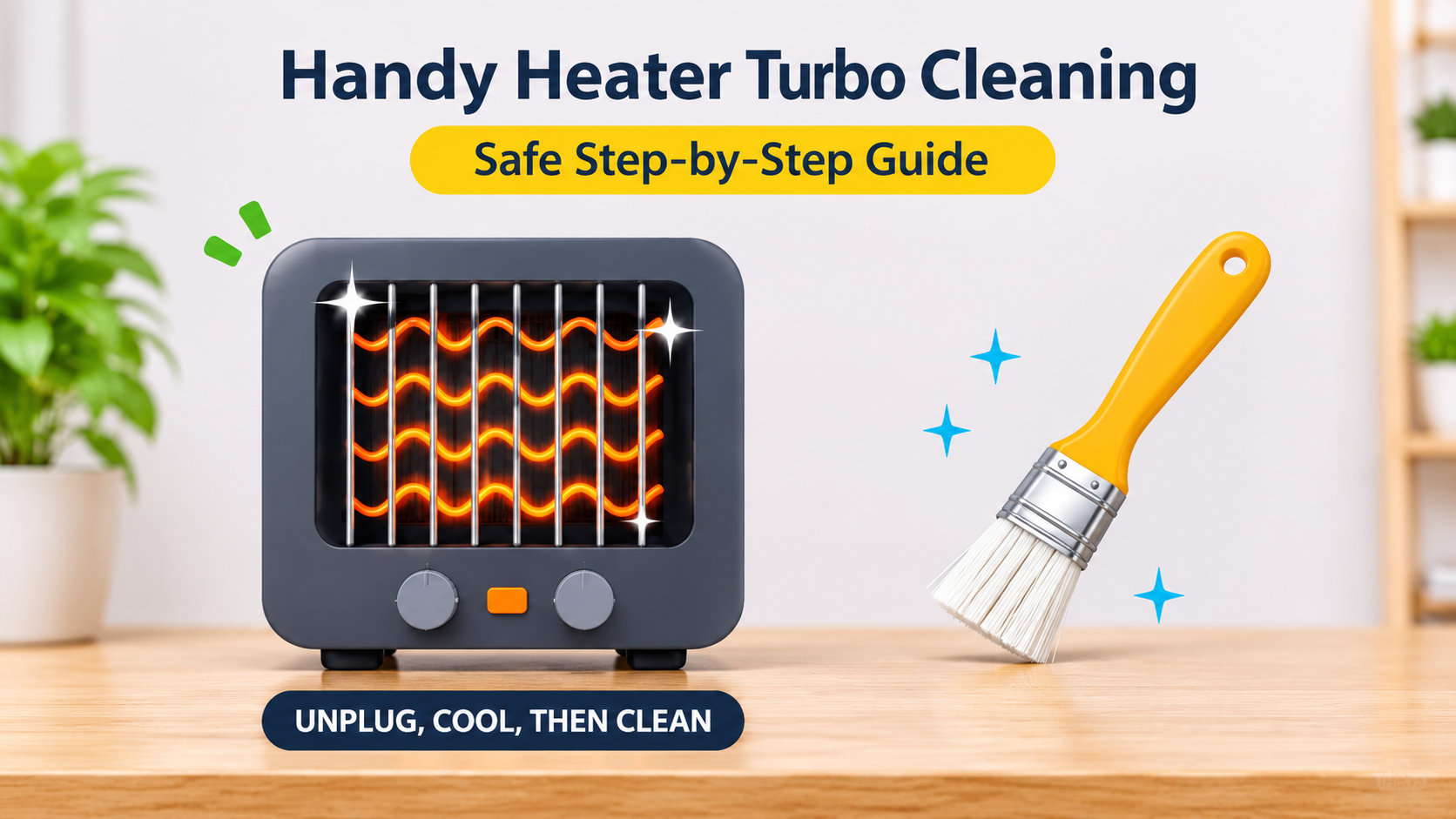
Turn the heater off, pull the plug from the wall by gripping the plug itself (never the cord) and let the heater cool for at least 30 minutes. Do not pack a warm heater. Trapped heat can warp plastic, and the warm surface attracts condensation inside a closed container.
Step 2: Clean the Heater Thoroughly
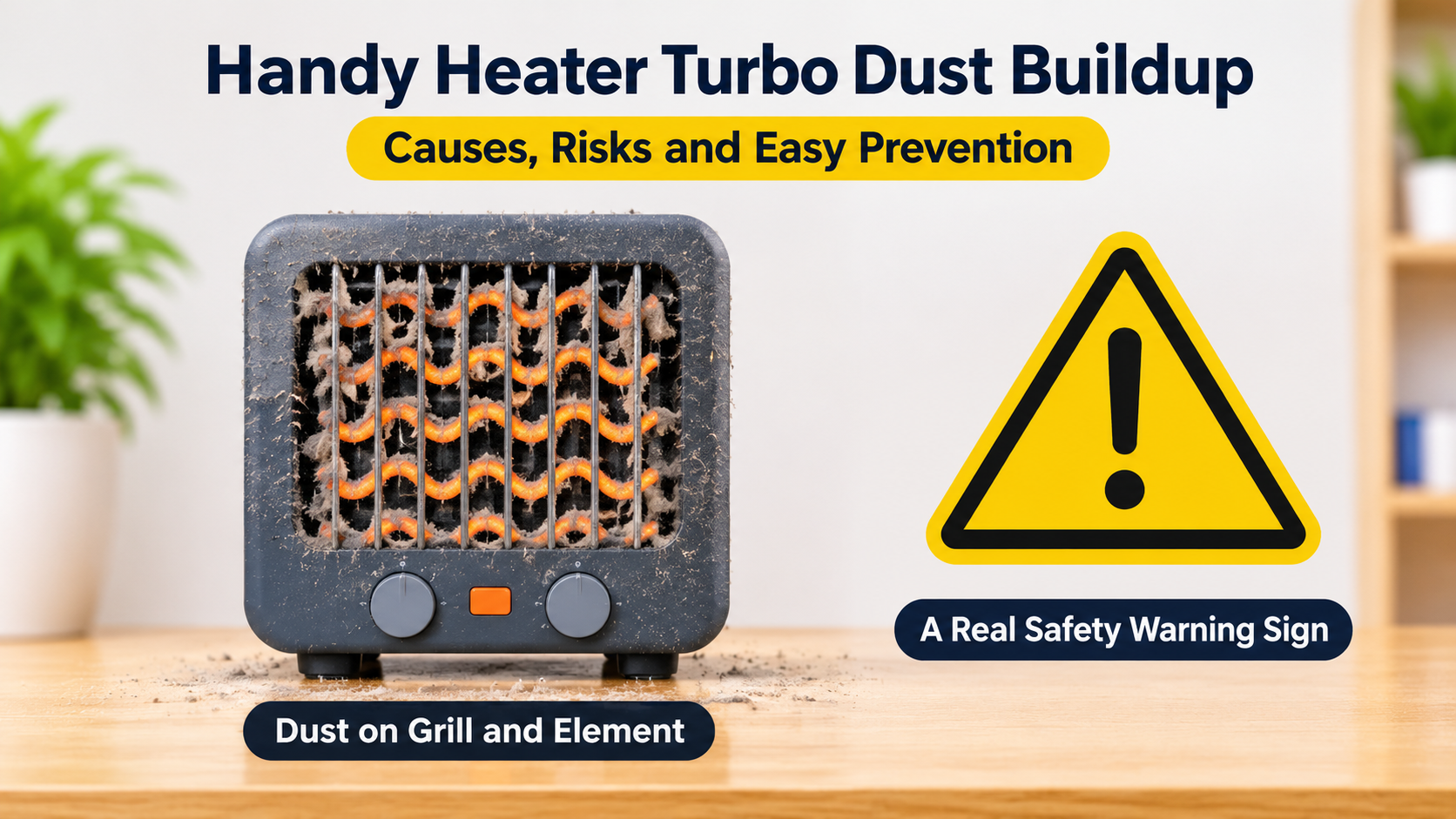
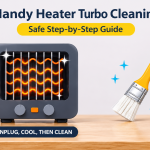
Dust left inside the heater all summer will cause smells and reduce airflow next winter. Use a vacuum with a soft brush attachment to clean the grille, the rear and side vents and the base. Loosen packed dust with a dry paintbrush, then vacuum it away. Wipe the body with a slightly damp microfiber cloth and a drop of mild soap, then dry it with a clean cloth. If your heater has a washable filter, clean it according to the manual.
Step 3: Make Sure It Is Completely Dry
Leave the heater in a well-ventilated area for at least an hour after cleaning, and longer if you washed a filter. Any trapped moisture can cause rust, mold or unpleasant smells while the heater sits in storage. Do not pack the heater until every part, including the filter and the plug, is totally dry.
Step 4: Inspect for Damage Before You Store It
Check the cord for cracks, frays or exposed wire. Look at the plug for discoloration or bent prongs. Inspect the housing, the grille and the controls for cracks, rust or loose parts. If you find any damage, do not simply put the heater away. Have it repaired by a qualified technician or replace it, so you do not discover the problem next winter.
Step 5: Coil the Cord Properly

Cord damage is one of the most common storage problems. Gather the cord in loose loops about the width of your hand and secure it with a hook-and-loop strap or a soft tie. Avoid wrapping the cord tightly around the heater body, because tight bends stress the insulation and the wires inside. If your heater has a built-in cord storage compartment, follow the manual. Never bend the cord sharply at the plug or the entry point.
Step 6: Pack It Safely
The original box and packaging are the best protection because they are sized to fit the heater and absorb knocks. If you do not have it, use a sturdy plastic bin or a strong cardboard box slightly larger than the heater. Place the heater inside, add soft padding if there is empty space and put the cord, remote and accessories in the same container. If you cover the heater, use a breathable cotton or fabric cover rather than a fully sealed plastic bag, which can trap moisture. If you do use a bag, ensure the heater is completely dry and add a silica gel packet to the container. Keep silica gel packets away from children and pets.
Step 7: Label the Container
Write the heater model, the date you stored it and a short note such as “Inspect and test before use” on the box. Keep the user manual inside the container so you can check the specifications and safety instructions next season.
Step 8: Choose the Right Storage Location
Store the heater in a place that is cool, dry and indoors, such as a closet shelf, a wardrobe, a dry storage room or a raised shelf in a dry garage. Keep it off the floor where possible, away from direct sunlight and out of reach of children and pets.
Best and Worst Places to Store a Portable Heater

Good Storage Locations
- Closet or wardrobe shelf: Stable temperature, protected from dust and knocks.
- Dry indoor storage room: Ideal for a heater in its original box.
- Raised shelf in a dry garage: Acceptable if the space stays dry and does not experience extreme heat or cold.
Places to Avoid
- Damp basements and bathrooms: High humidity causes rust, corrosion and mold.
- Hot attics or car trunks: Extreme heat can warp plastic parts and damage the cord insulation.
- Outdoors or an unheated shed: Temperature swings and moisture are hard on electronic components.
- Near paint, fuel or chemicals: Fumes can damage materials and create a fire risk if the heater is later used in the same space without cleaning.
- Under heavy stacks of items: The weight can crack the housing and bend the grille.
Packing a Heater: Box, Cover and Extras

The goal of packing is to protect the heater from dust, moisture and physical impact. A good setup includes a sturdy container, a breathable cover, a small silica gel packet for moisture, the cord loosely coiled, the manual and any accessories stored together, and a clear label on the outside. If your heater has a remote control, remove its batteries before storage to avoid leakage and corrosion.
Storage Tips for Different Heater Types
| Heater Type | Key Storage Tips |
|---|---|
| Ceramic / fan heater | Clean vents and filter, cover the grille to keep dust out, and keep the fan area protected from impact. |
| Oil-filled radiator | Store upright and avoid laying it on its side. Wipe the fins clean, wrap the body in a breathable cover and check for any oil leakage first. |
| Infrared / quartz heater | Handle the tubes and reflector gently, pack with padding and avoid stacking items on top. |
| Convection panel heater | Slim and easy to slide behind a wardrobe or under a bed. Keep it flat or upright, covered and away from damp walls. |
| Small personal / desktop heater | Keep it in a small bin or its box. Do not tightly wrap the short cord and keep it away from heavy items. |
Always check your manual for model-specific storage notes, because designs vary between brands.
Protecting Your Heater From Moisture, Dust and Pests
Moisture
Dry the heater thoroughly, store it in a dry room and consider adding a silica gel packet or moisture absorber to the container. Avoid sealed, airtight storage in a damp space.
Dust
Use a breathable cover or a closed container. Dust that settles during storage is what burns off with a smell at first use, so keeping it out saves time and worry.
Pests
Mice and insects can be attracted to warm, dark spaces and soft padding. Use a sturdy container with a lid, avoid storing the heater on bare ground and check the heater for any signs of nesting before use.
Short-Term Storage During the Heating Season
If you are only putting your heater aside for a few weeks, you do not need a full packing routine. Unplug it, let it cool, give the vents a quick vacuum, coil the cord loosely and place it somewhere safe, upright and out of walkways. Cover it with a clean cloth to keep dust off. This makes it ready for the next cold evening.
Preparing Your Heater for Next Season

When the weather turns cold again, do not just plug the heater in. Spend five minutes on this routine:
- Inspect the cord and plug for cracks, fraying or discoloration.
- Check the body for cracks, rust or warping.
- Vacuum the vents and grille to remove dust that gathered in storage.
- Place it on a flat, hard surface with at least 3 feet (about 1 metre) of clear space around it.
- Plug it directly into a wall outlet and run it on low for a few minutes, watching for smells, noises or smoke.
A faint dusty smell for the first minute can be normal. If you notice a strong burning smell, smoke, sparks or unusual noises, switch off, unplug and have the heater checked.
Common Heater Storage Mistakes to Avoid
- Storing it while still warm or damp: This invites rust, mold and warped plastic.
- Wrapping the cord tightly around the body: It damages the insulation and internal wires over time.
- Leaving it uncovered: Dust collects all season and burns off at first use.
- Using sealed plastic without drying: Trapped moisture causes corrosion and odors.
- Storing it in a damp basement, hot attic or unheated shed: Extreme conditions shorten the life of the heater.
- Stacking heavy items on top: Can crack housings and bend the grille.
- Laying an oil-filled heater on its side: It should usually be stored upright, as stated in most manuals.
- Storing a damaged heater: Repair or replace it instead of hoping it will still work.
- Forgetting the manual: Keep it with the heater so you have the safety instructions when you need them.
What to Do With an Old or Damaged Heater
If your heater has a damaged cord, cracked housing, a history of overheating or persistent burning smells, do not store it for later. A heater that is no longer safe should not be used, even for a short time. Contact the manufacturer or a qualified technician about repair options, or recycle it through an electronics or appliance recycling service in your area. Do not throw electrical appliances in with ordinary household rubbish where local rules require separate recycling.
How to Choose a Heater That Is Easy to Store
If you are planning to buy a new portable heater, a few design features make storage easier:
- Compact, lightweight body: Easier to carry and fit on a shelf.
- Built-in handle: Allows safe carrying when moving it to storage.
- Cord storage: A cord wrap or compartment keeps the cable neat, as long as it is loose enough to prevent bending damage.
- Slim or flat profile: Panel heaters slide into narrow spaces.
- Smooth exterior: Easier to wipe clean before storage.
- Original packaging that is easy to keep: Keep the box if you have space, because it is the best storage container.
Frequently Asked Questions
How should I store a portable electric heater for the summer?
Unplug it, let it cool, clean the vents and body, dry it fully, coil the cord loosely, place it in its original box or a sturdy container with a breathable cover and store it in a cool, dry, indoor space.
Can I store my heater in the garage?
You can if the garage is dry and does not suffer from extreme temperatures. Use a lidded container, keep the heater off the floor and away from chemicals, and avoid damp or very hot garages.
Is it safe to store a heater in a plastic bag?
Only if the heater is completely dry and you also add a silica gel packet. A breathable cover or a lidded container is usually a better choice because sealed plastic can trap moisture.
Should I wrap the cord around the heater?
No. Wrapping the cord tightly stresses the wires and insulation. Use loose loops and a soft tie, or follow the manufacturer’s instructions if the heater has a dedicated cord compartment.
Can I store an oil-filled heater on its side?
Most manufacturers recommend storing oil-filled heaters upright. Always check your user manual for the correct storage position for your model.
Why does my heater smell the first time I use it after storage?
A faint, brief smell is usually dust burning off the element. Cleaning and covering the heater before storage reduces it. If the smell is strong, smells like melting plastic or comes with smoke, unplug the heater immediately.
How long can a portable heater be stored?
With proper cleaning, drying and storage in a cool, dry place, a heater can be stored for many months between seasons. Always inspect it carefully and test it before you use it again.
Do I need to remove anything before storing it?
Remove batteries from any remote control, take out and clean any removable filter, and keep the manual and accessories in the same container as the heater.
Final Thoughts
The best portable electric heater storage tips come down to a few reliable habits: let the heater cool, clean it, dry it completely, coil the cord loosely, pack it in a sturdy container with a breathable cover and keep it in a cool, dry indoor place. Add a simple inspection and a low-power test before first use, and your heater will be safer, cleaner and ready to keep you warm when winter returns.
A few minutes of care now means fewer problems, longer heater life and peace of mind every cold season.
Disclaimer: This guide offers general information. Always follow the storage, cleaning and safety instructions in your heater’s user manual, and contact the manufacturer or a qualified technician if you notice damage, smoke or unusual behavior.