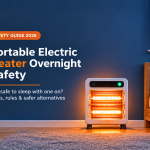


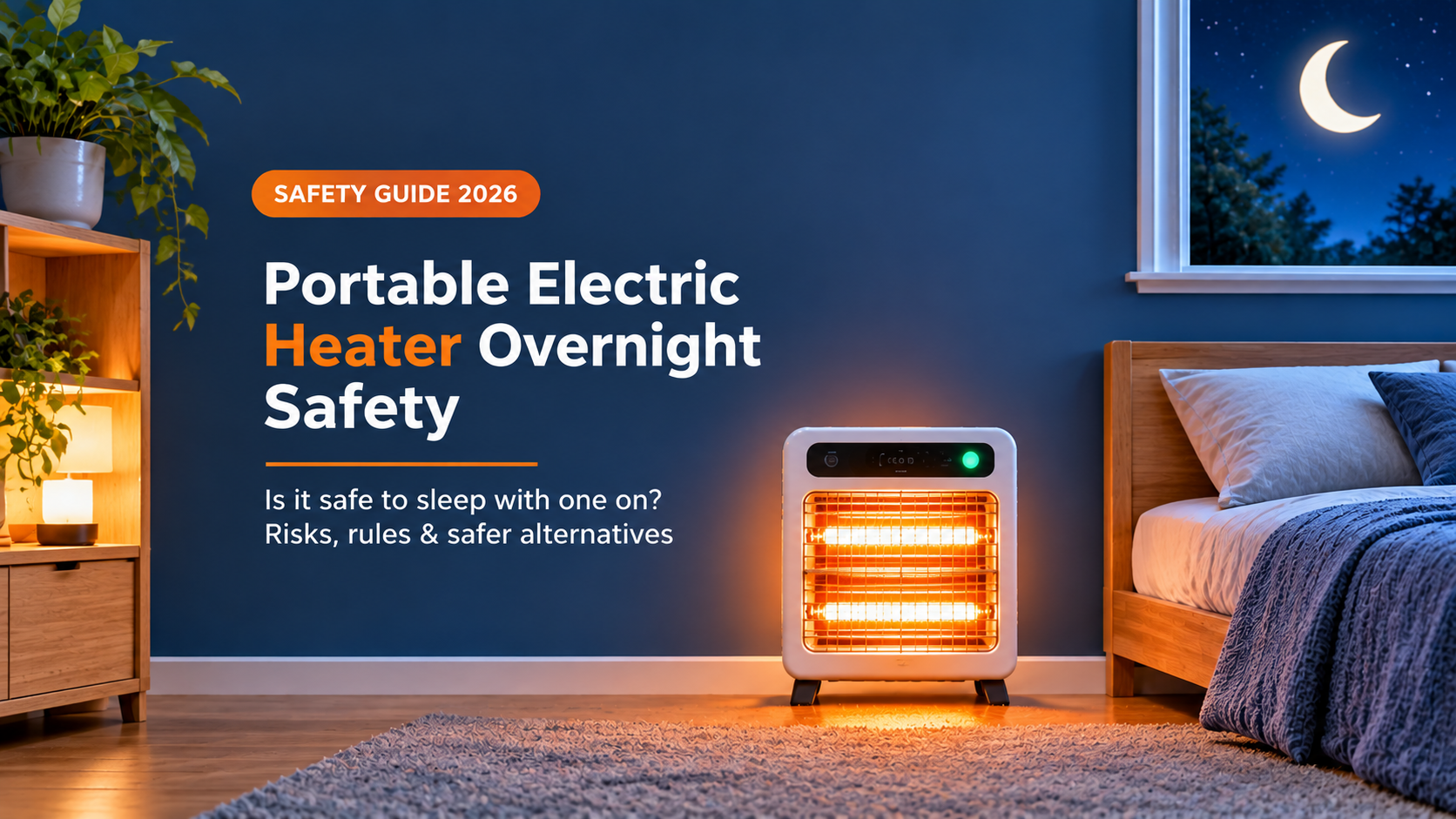
A freezing bedroom makes it hard to fall asleep and even harder to stay asleep. It is natural to want to switch on a heater and let it run through the night. But portable electric heater overnight safety is a topic every household should take seriously. When you are asleep, you cannot notice a burning smell, a hot cord or a heater that has tipped over, and that is exactly when a small problem can become a big one.
In this complete guide you will learn what the real risks are, what fire safety experts and manufacturers generally advise, which features make a heater safer for bedroom use, how to place it correctly and what alternatives can keep you warm without leaving a heater running all night.
Is It Safe to Leave a Portable Heater On Overnight?
The most common advice from fire safety organisations and heater manufacturers is to turn portable heaters off before you go to sleep. Many instruction manuals say the same: do not leave the heater running unattended, and do not use it while sleeping. The reason is not that electric heaters are always dangerous, but that the risk is much higher when nobody is awake to react.
Modern heaters have improved safety systems, and plenty of people run them at night without trouble. However, a safety feature is a backup, not a guarantee. Switches can fail, fabric can drift into the wrong place and cords can wear out. If you do decide to use a heater at night, the goal is to cut the risk as far as you can with the right product, the right setup and strict habits.
Why Overnight Use Is Riskier Than Daytime Use
- You cannot respond quickly: A smell of burning, a hot cord or a smoking plug will go unnoticed while you sleep.
- Bedding and clothing are nearby: Blankets, pillows, clothes and curtains are all flammable and can end up too close to the heater.
- Long running time: Eight hours of continuous use stresses the heater, cord and plug far more than a short session.
- Movement during sleep: Children, pets and restless sleepers can bump or knock over a heater.
- Darkness hides hazards: It is harder to see a tangled cord, a fallen item or an object covering the heater.
- Delayed detection: A small fire can grow for minutes before a smoke alarm wakes you, and sleepers react more slowly to alarms than people who are awake.
- Electrical wear: Older heaters, damaged cords or overloaded sockets can fail after long use.
What About Carbon Monoxide?
Electric heaters do not burn fuel, so they do not produce carbon monoxide. This is a big reason they are considered safer than gas, kerosene or propane heaters for bedrooms. However, that does not mean they are risk free. The main dangers with electric heaters are fire, burns and electric shock, not poisoning. Fuel-burning heaters should never be used while sleeping.
The Main Fire Risks to Understand
Flammable Materials Too Close
Bedding, duvets, clothes, curtains, paper and furniture can ignite if they touch or sit too near a heater. Radiant heaters can ignite nearby fabric even without direct contact.
Tip-Over Accidents
If a heater falls on a bed, carpet or fabric, the hot surface can ignite the material. A tip-over switch reduces this risk, but it can fail or be blocked.
Overheating
Covered vents, dusty elements or a failing thermostat can push the heater beyond its safe temperature. Overheat protection should shut the unit off, but it should never be relied on alone.
Electrical Faults
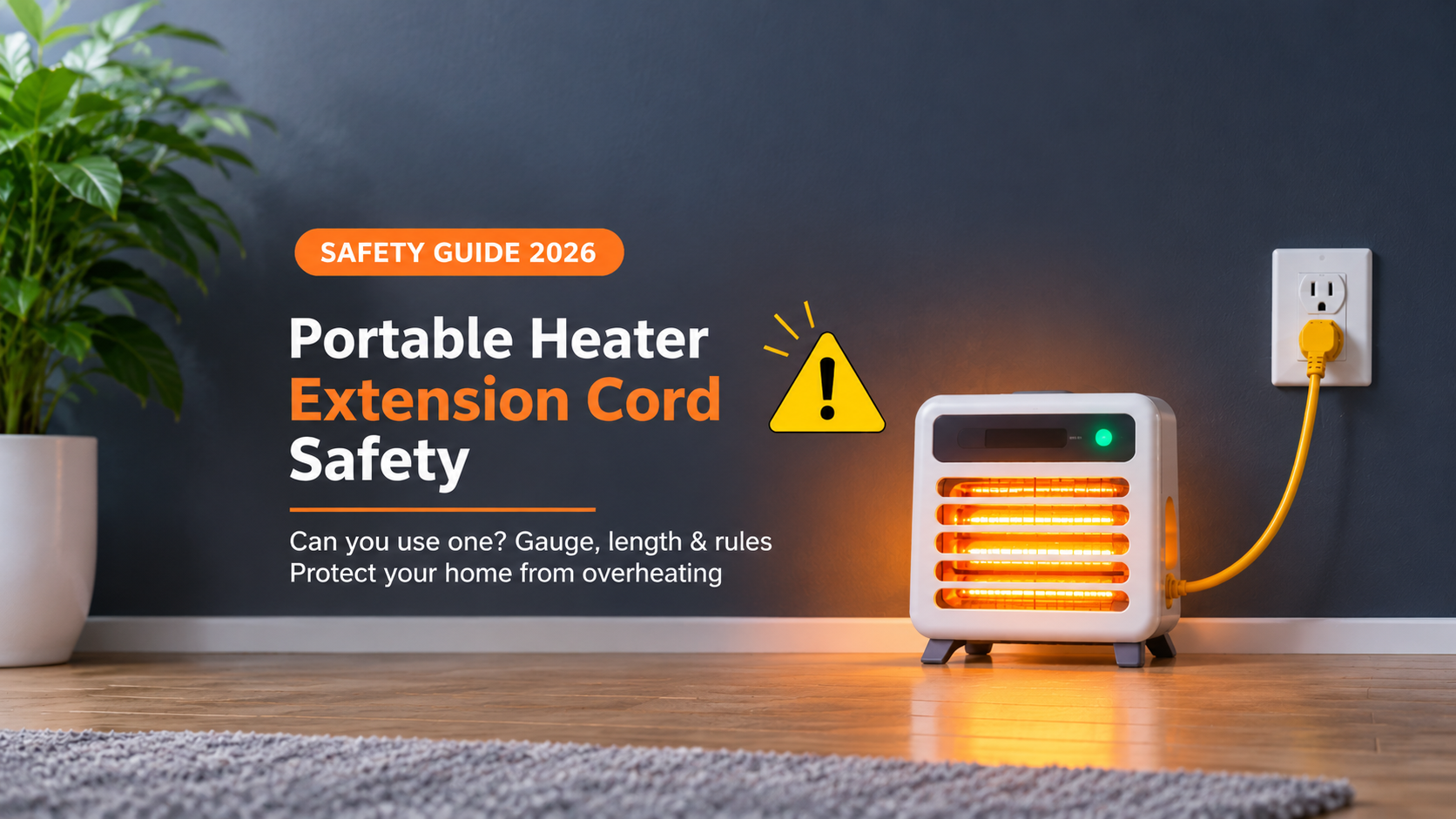
Damaged cords, worn plugs and overloaded sockets are a leading cause of heater-related fires. Using an extension cord or power strip raises the danger significantly.
Safety Features Every Overnight Heater Should Have
If you plan to use a heater in a bedroom, choose a model with strong built-in protection. These features reduce risk, but never remove it.
- Tip-over protection: Cuts power instantly if the heater leans or falls.
- Overheat protection: Switches the unit off if internal temperature gets too high.
- Adjustable thermostat: Holds the room at a steady temperature so the heater cycles on and off instead of running at full power all night.
- Timer or auto shut-off: Turns the heater off after a set period so it does not run until morning.
- Cool-touch housing: A cooler outer surface reduces burn risk and the chance of igniting nearby fabric.
- Protective grille: Keeps fingers, pets and fabric away from hot elements.
- Quiet, light-free operation: Low noise and a dimmable display help you sleep. Bright indicator lights can disturb rest.
- Heavy-duty plug and cord: A thick, short cord with a secure plug reduces electrical risk.
- Recognised safety certification: Look for markings showing testing to proper safety standards.
Best Types of Heaters for a Bedroom at Night
Oil-Filled Radiators
These heat gently and silently and keep giving off warmth after cycling off. Their stable base and lower surface temperature make them a popular choice for bedrooms. They are heavy, which also makes them harder to knock over.
Ceramic Heaters With Thermostat and Timer
Ceramic heaters warm a small room quickly and often include safety features such as tip-over and overheat switches. A thermostat and timer make them better suited to controlled use. Fan noise may disturb light sleepers, so look for a quiet mode.
Panel or Wall-Mounted Heaters
Mounted off the floor, they avoid tip-over issues and keep bedding out of reach. They are a good option for small bedrooms and children’s rooms, subject to the maker’s mounting rules.
Types to Avoid at Night
- Heaters with exposed elements: These are easier to ignite fabric with.
- Models without tip-over or overheat protection: Never acceptable for bedroom use.
- Old or damaged heaters: Worn parts increase the chance of failure.
- Fuel-burning heaters: Gas, kerosene and similar heaters must not be used while sleeping.
How to Place a Heater Safely in a Bedroom
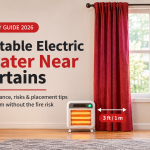
- Keep three feet (about one metre) clear: Maintain this distance from the bed, bedding, curtains, clothes and furniture.
- Use a flat, hard, stable floor: Avoid thick carpet, rugs and any uneven surface.
- Never place it on the bed or furniture: A heater on a soft surface can tip or overheat.
- Do not cover it: Never drape clothes, towels or blankets over a heater.
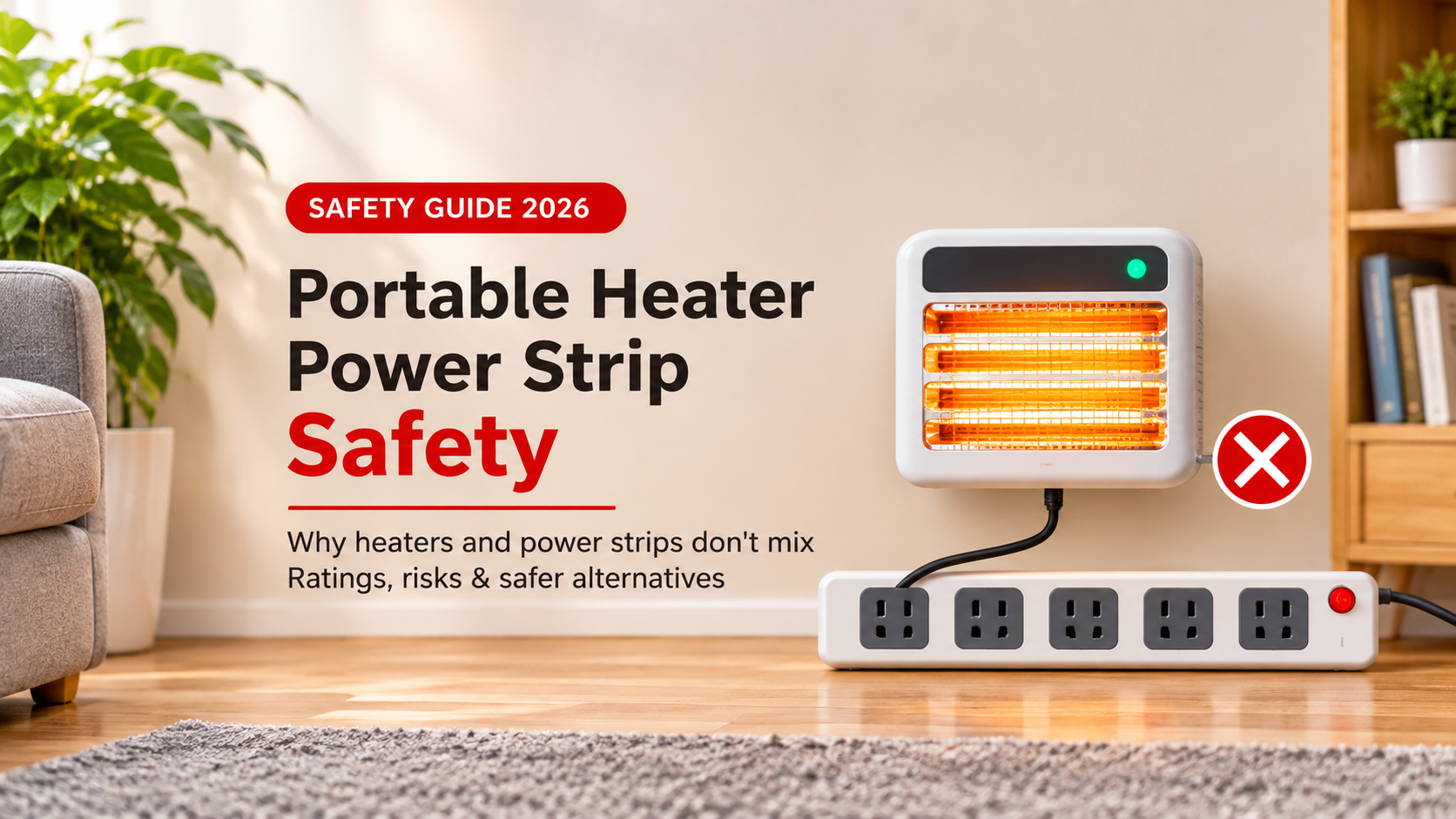
- Plug directly into a wall outlet: Avoid extension cords and power strips.
- Route the cord safely: Keep it where nobody will trip over it, and do not run it under rugs or furniture.
- Keep children and pets away: Place the heater where they cannot reach or knock into it.
- Keep the area clean: Remove dust and lint around the heater and vents.
- Install smoke alarms: Have a working alarm in the bedroom and in the hallway outside it.
- Keep an exit clear: Do not let the heater or cord block the way to the door.
Smart Ways to Reduce Overnight Heater Use
You can often get the comfort you need without running a heater for hours while asleep.
- Pre-heat the room: Turn the heater on 30 to 60 minutes before bed, then switch it off when you lie down.
- Use a timer: Let the heater run for a short time after you fall asleep and then shut off automatically.
- Set a low thermostat: A cool bedroom is better for sleep than a hot one. Many people sleep well at a mild, slightly cool temperature with good bedding.
- Use warmer bedding: A thicker duvet, thermal sheets, flannel or an extra blanket often does the job.
- Use a hot water bottle: A properly sealed hot water bottle warms the bed for hours without electricity.
- Wear warm sleepwear: Socks and layered nightclothes keep you warm without extra heating.
- Seal draughts: Use weather stripping, door snakes and thick curtains to keep heat in.
- Insulate where possible: Window film and rugs on bare floors help hold warmth.
- Consider a bed warmer used as directed: Electric blankets and mattress pads have their own safety rules, so follow the manual and check for damage.
Special Situations
Children’s Rooms and Babies
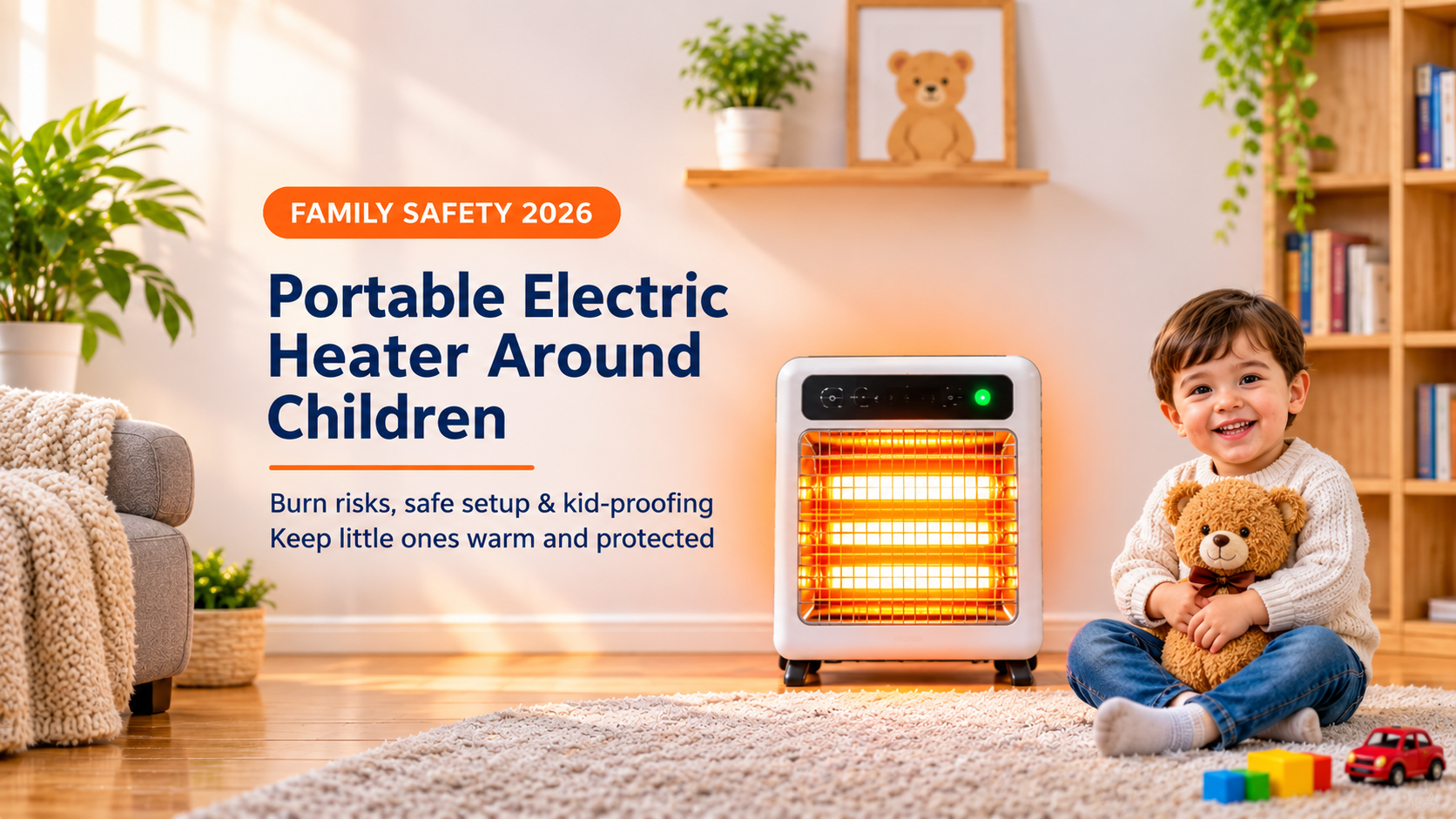
Never leave a heater running in a baby’s or young child’s room without strict safety measures. Children can touch hot surfaces, pull cords or push a heater over. Babies also overheat easily, so keep the room at a comfortable, not hot, temperature and follow pediatric guidance on bedroom temperature. A wall-mounted or cool-touch heater far out of reach is far safer.
Elderly Family Members
Older adults may be less able to notice heat or react quickly. A heater with a timer, auto shut-off and cool-touch exterior, together with a working smoke alarm, makes the room safer.
Pets
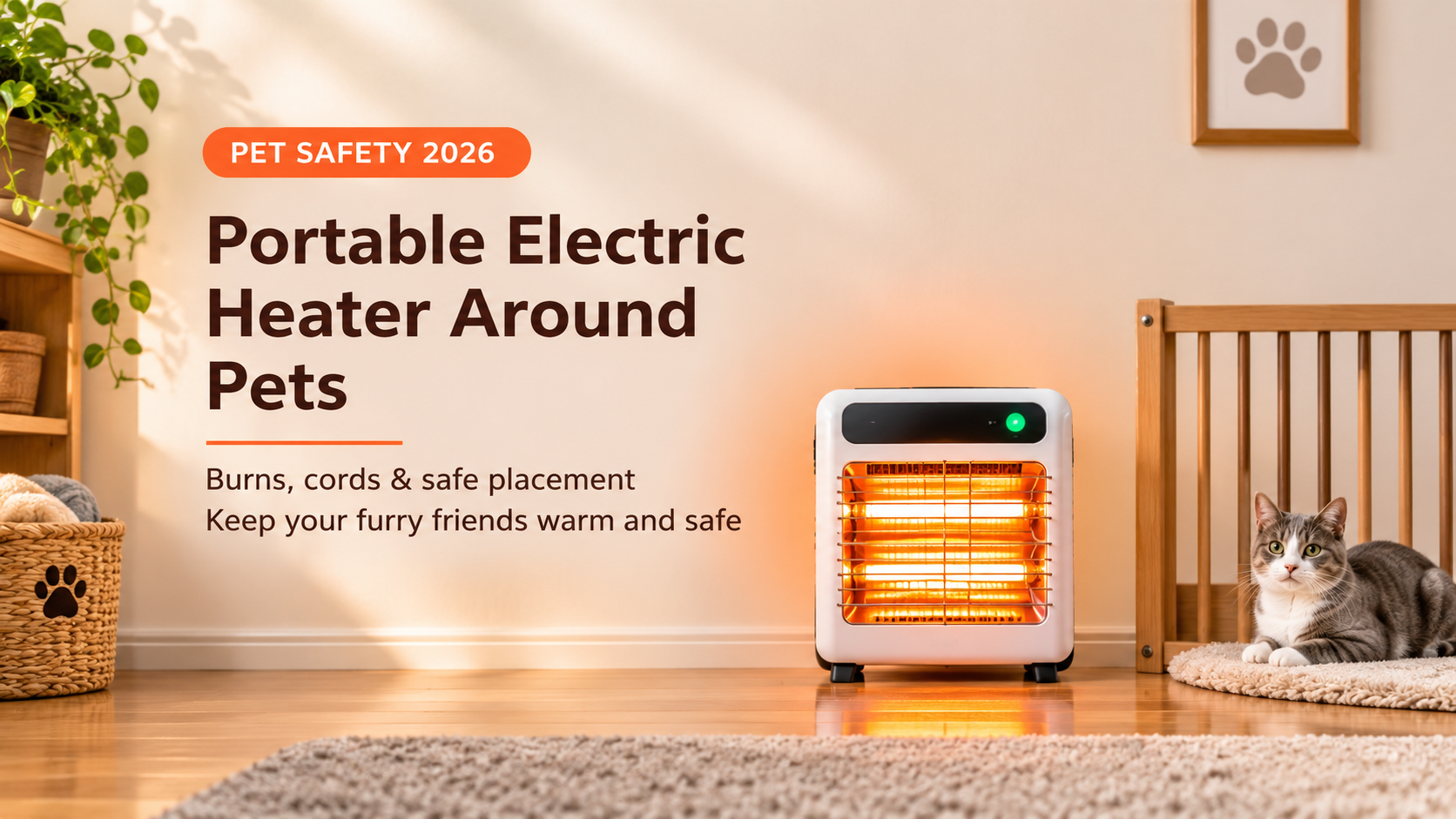
Cats and dogs may sleep near warm spots, brush against a heater or chew a cord. Keep the heater out of their reach or use a protective barrier that keeps fabric and animals away.
Rental Homes and Student Rooms
Many shared homes have older wiring. Avoid overloading sockets, avoid extension cords and report faulty outlets to the landlord. If you notice warm outlets or flickering lights, do not use a heater on that circuit.
Warning Signs You Should Never Ignore
- A burning, scorched or plastic smell.
- A heater, cord or plug that feels very hot.
- Discolouration or melting on the heater, plug or socket.
- Buzzing, crackling or sparks.
- The heater switching itself on and off repeatedly or tripping the breaker.
- Smoke or a visible haze in the room.
If you notice any of these, switch off and unplug the heater if it is safe to do so, move away and do not use it again until it has been checked. In case of fire or smoke, leave the room, close the door behind you and call your local emergency number.
Maintenance Habits That Improve Safety
- Unplug and let the heater cool before cleaning.
- Clean dust from vents and grilles regularly, especially during heavy winter use.
- Inspect the cord and plug each week for cracks, frays or burn marks.
- Test the tip-over switch gently, following the manual, to make sure it still works.
- Replace heaters that are old, damaged or have been in use for many years.
- Test smoke alarms monthly and replace batteries as required.
Common Mistakes to Avoid
- Leaving a basic heater without a thermostat or timer running all night.
- Placing the heater close to the bed or under blankets.
- Drying clothes or towels on the heater.
- Using an extension cord or power strip.
- Ignoring smells or unusual sounds.
- Assuming that a tip-over switch alone makes overnight use safe.
- Using the heater on a rug, bed or soft surface.
Frequently Asked Questions (FAQ)
Is it safe to sleep with an electric heater on?
Most safety organisations recommend turning heaters off while you sleep. If you must use one, choose a heater with a thermostat, timer, tip-over and overheat protection, and keep it well away from bedding and curtains.
Can I leave an oil-filled radiator on overnight?
Oil-filled radiators are often considered a lower-risk choice for bedrooms because of their stable base and gentle heat, but they still get hot and still need clearance and supervision. Follow the manual.
How far should a heater be from the bed?
Keep at least three feet (about one metre) between the heater and the bed, bedding, curtains and any other flammable object, or more if your manual requires it.
Do electric heaters use a lot of electricity overnight?
Running a heater for many hours can add noticeably to your bill. A 1,500 W heater uses 1.5 kWh per hour at full power. A thermostat reduces this because the heater cycles on and off.
What is the safest way to heat a bedroom?
Pre-heating the room, then switching the heater off and using warm bedding is the safest approach. A fixed, wall-mounted heater installed properly is another safe option.
Can electric heaters cause carbon monoxide poisoning?
No. Electric heaters do not burn fuel and do not create carbon monoxide. The main risks are fire, burns and electric shock.
Is a heater with a timer safe to use overnight?
A timer greatly reduces the time the heater runs, which lowers risk, but it does not remove it. Keep clearance, use a wall outlet and follow all other safety rules.
Should I unplug the heater after turning it off?
Unplugging is a good habit, especially before sleeping or leaving the house. It makes sure no power reaches the heater while it is not in use.
Final Thoughts
When it comes to portable electric heater overnight safety, the safest choice is to warm the room before bed and switch the heater off when you sleep. Warm bedding, a hot water bottle and a draught-free room can keep you comfortable without needing a heater to run all night.
If you decide to use a heater overnight, choose one with a thermostat, timer, tip-over and overheat protection, keep it at least three feet from anything flammable, plug it directly into a wall outlet and keep a working smoke alarm in the room. A good night’s sleep is wonderful, but safety must always come first.