


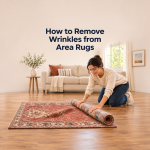




An area rug does a lot of quiet work in your home. It softens the floor, absorbs sound, adds color and warmth, and catches the dirt that would otherwise end up on your hard flooring. But because it works so hard, a rug also collects dust, crumbs, pet hair, allergens and spills every single day. The big question most homeowners ask is simple: how often should area rugs be cleaned?
The honest answer is that it depends on how much foot traffic the rug gets, what it is made of, and who lives in your home. In this guide you will find a clear, easy-to-follow schedule for vacuuming, spot cleaning and deep cleaning, plus advice for specific rug materials, rooms, pets, kids and allergy-prone households.
Quick Answer
- Vacuum: once a week for low-traffic rugs, and two to three times a week for busy areas, entryways and homes with pets.
- Spot clean: immediately, as soon as a spill or stain happens.
- Deep clean: every 12 to 18 months for most homes, and every 6 to 12 months if you have pets, small children or allergies.
- Rotate: every 3 to 6 months so wear and sun exposure stay even.
Your Area Rug Cleaning Schedule at a Glance
Instead of thinking about rug care as one big chore, it helps to break it into small habits spread across the year. The schedule below shows what to do weekly, monthly, twice a year and once every year or so.
Why Regular Rug Cleaning Matters
A rug can look perfectly clean on the surface while holding a surprising amount of grit deep in its fibers. Over time, that hidden dirt causes real problems.
- Faster wear: Sharp dirt particles act like tiny sandpaper, cutting into fibers every time someone walks across the rug. Regular vacuuming removes that grit before it does lasting damage.
- Allergens and dust: Rugs trap dust, pollen, pet dander and dust mite debris. Cleaning regularly helps keep these from building up in the air you breathe.
- Odors: Spills, pet accidents, damp shoes and cooking smells can settle into the pile and linger.
- Dull colors: Dirt hides a rug’s true color. A clean rug looks brighter and more vibrant.
- Longer lifespan: A well-maintained rug can last many years longer, which protects your investment, especially for wool and hand-knotted pieces.
- Mold and mildew prevention: Rugs that stay damp or are never cleaned underneath can develop musty smells and mildew.
How Often Should You Vacuum an Area Rug?
Vacuuming is the single most important thing you can do for your rug, and it is also the cheapest. It removes the loose, gritty soil that causes most long-term damage.
- Low-traffic rugs (bedrooms, guest rooms, formal living areas): vacuum once a week.
- High-traffic rugs (entryways, hallways, living rooms, under dining tables): vacuum two to three times a week.
- Homes with pets or shedding: vacuum three or more times a week, and daily in heavy-shedding seasons.
- Delicate rugs (silk, viscose, antique or hand-knotted): vacuum gently once a week using low suction and no spinning brush.
Vacuuming Tips That Protect Your Rug
- Turn off the beater bar or rotating brush on shag, looped, wool and handmade rugs. It can pull threads and damage fringes.
- Go slowly. Several slow passes pick up far more dirt than one fast pass.
- Vacuum in the direction of the pile first, then against it for a deeper clean.
- Never run the vacuum over the fringe. Use the hose attachment or comb the fringe gently instead.
- Flip the rug and vacuum the back every month. Much of the heavy dirt falls through to the underside.
- Vacuum the floor beneath the rug at the same time so dust does not work its way back up.
How Often Should You Deep Clean an Area Rug?
Vacuuming handles the surface, but it cannot remove oils, sticky residue, embedded dust and deeper odors. That is where deep cleaning comes in. A thorough cleaning, whether done by a professional or carefully at home, flushes out what the vacuum leaves behind.
As a general guide, most area rugs benefit from a deep clean every 12 to 18 months. Your situation may call for more frequent cleaning, as the chart below shows.
Factors That Change How Often You Should Clean
1. Foot traffic. A rug in the entryway or hallway sees far more dirt than one under a bed. The more feet, the more often it needs attention.
2. Pets. Dogs and cats bring in outdoor dirt, shed hair and dander, and occasionally have accidents. Rugs in pet homes usually need a deep clean about every six months, plus prompt spot cleaning.
3. Children. Spilled juice, crushed snacks, art supplies and muddy shoes all land on the rug. A playroom or family room rug benefits from a deep clean every six to nine months.
4. Allergies and asthma. If anyone in your home is sensitive to dust or dander, more frequent vacuuming with a good filter and a deep clean about every six months can make the room more comfortable.
5. Shoes indoors. Homes where shoes stay on bring in more soil, pesticides from lawns and road grime. A no-shoes rule can stretch the time between deep cleans.
6. Rug material and pile height. Dense, high-pile or shag rugs hide dirt deep inside. Flat-woven rugs release dirt more easily. Delicate natural fibers need gentler, less frequent care.
7. Smoking, cooking and humidity. Smoke, kitchen grease and damp climates all add odor, residue and mildew risk, which means more frequent cleaning.
How Often to Clean Different Types of Area Rugs
Not every rug can be treated the same way. Always check the care label first, and when in doubt, ask a rug specialist before using any cleaning product.
| Rug Type | Vacuum | Deep Clean | Important Notes |
|---|---|---|---|
| Wool | Weekly | Every 12–18 months | Use a wool-safe, pH-neutral cleaner. Avoid hot water and harsh chemicals, which can cause shrinking or fading. |
| Synthetic (nylon, polyester, polypropylene) | 1–3 times a week | Every 6–12 months | Durable and stain resistant. Usually handles hot water extraction well. |
| Cotton and flatweave | Weekly | As the care label directs | Many are machine washable. Air dry flat or hang to avoid shrinking. |
| Jute, sisal and seagrass | Weekly (no beater bar) | Professional care as needed, about every 1–2 years | Water can leave stains and weaken the fibers. Spot clean with minimal moisture only. |
| Silk and viscose | Gently, low suction | Professional only, typically every 1–2 years | Very delicate, and viscose can weaken when wet. Do not scrub or soak. |
| Hand-knotted Persian or Oriental | Weekly, gentle | Professional every 1–3 years depending on use | Valuable and delicate. Use a specialist who handles antique and handmade rugs. |
| Shag and high-pile | 1–2 times a week, suction only | Every 6–12 months | Traps dirt deep inside. Rake the pile gently and avoid rotating brushes. |
| Outdoor rugs | Sweep or shake weekly | Hose and scrub monthly or seasonally | Let them dry completely in the sun to prevent mildew. |
How Often to Clean Rugs in Different Rooms
- Entryway and hallway rugs: vacuum two to three times a week and deep clean about every six months. These rugs take the most dirt and moisture.
- Kitchen and dining room rugs: vacuum frequently to remove crumbs, and deep clean every six to nine months. Spot clean spills right away, because grease and sauces set quickly.
- Living room rugs: vacuum two or more times a week and deep clean every 12 months, or every six to nine months with kids or pets.
- Bedroom rugs: vacuum weekly and deep clean every 12 to 18 months. Bedroom rugs collect dust and skin cells, so they matter for allergy sufferers.
- Playroom and nursery rugs: vacuum often and deep clean every six months. Use gentle, non-toxic products because little ones spend time on the floor.
- Bathroom rugs and mats: wash weekly or according to the label, as they stay damp and attract bacteria.
Signs Your Rug Needs Cleaning Right Now
Sometimes your rug tells you it is overdue, no matter what the calendar says. Watch for these signs.
- A musty, stale or pet smell that returns soon after freshening up.
- Visible dark paths where people walk, or dull, flat looking fibers.
- Dust clouds rising when you walk on the rug or shake it.
- Sticky or gritty texture when you run your hand across the pile.
- Stains that keep reappearing after you blot them, a sign of residue wicking back up from deeper layers.
- More sneezing, itchy eyes or allergy symptoms when you are in the room.
- Pests such as carpet beetle larvae or moths, which are drawn to dirty natural fiber rugs.
Simple dirt test: Fold back a corner of the rug and rub a clean white cloth firmly across the surface. If the cloth comes away visibly gray or brown, the rug is holding more dirt than it looks.
Spot Cleaning: The Most Important Habit
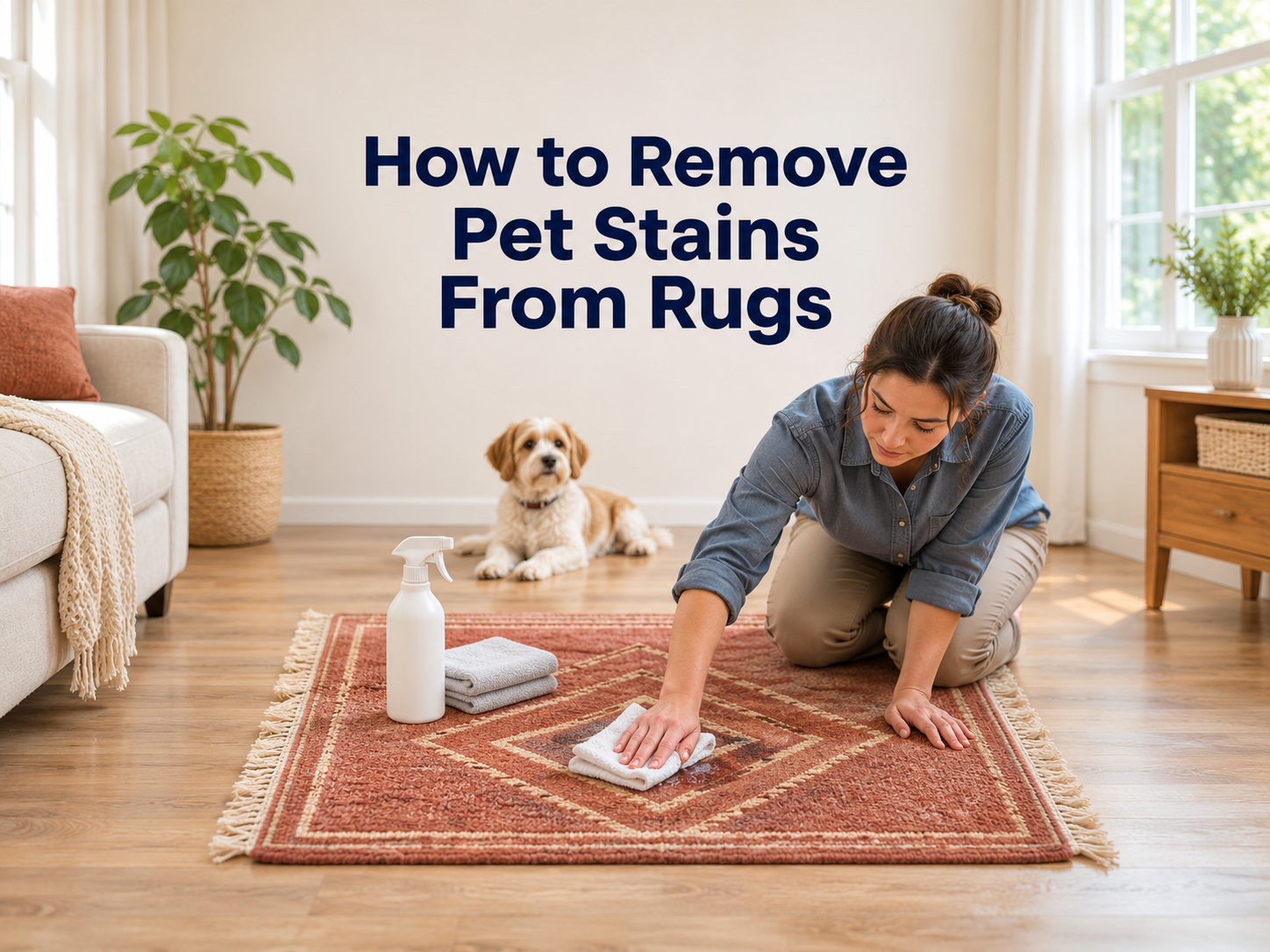
Deep cleaning is a scheduled event, but spills are not. The sooner you react, the easier the stain is to remove. Fresh liquid sitting in a rug can soak down into the backing and padding, where it is much harder to reach.
- Blot, never rub. Press a clean white cloth or paper towel onto the spill and lift. Rubbing pushes the stain deeper and can fray the fibers.
- Remove solids first. Gently scoop up anything thick with a spoon or dull knife.
- Use a mild solution. Mix a few drops of gentle dish soap in cool water, or use a rug-safe spot cleaner suited to the fiber.
- Work from the outside in. This keeps the stain from spreading.
- Rinse lightly. Dab with a cloth dampened with plain water to remove soap residue, which attracts dirt.
- Dry thoroughly. Press with a dry towel, then let air circulate over the area.
Be careful with hot water and bleach. Hot water can set certain stains such as blood and wine in some fibers, and bleach can permanently strip color. Always test any product on a hidden corner first.
DIY or Professional Rug Cleaning?
Both options have a place. Many synthetic and washable rugs can be deep cleaned at home with the right method, while valuable, delicate or very large rugs are better left to professionals.
When DIY Cleaning Works Well
- The rug is synthetic, cotton or labeled as washable.
- The rug is small enough to handle, dry and move safely.
- You have space to dry it fully and quickly.
- You are dealing with a light, recent stain rather than deep, old soiling.
When to Call a Professional
- The rug is silk, viscose, antique, hand-knotted or sentimental and hard to replace.
- The rug is very large, very thick or made of jute or sisal.
- There are old pet urine stains or strong odors, which often need specialized treatment.
- You notice color bleeding, mildew or water damage.
- The rug is simply too heavy or awkward to dry quickly at home.
How to Deep Clean a Washable or Synthetic Rug at Home
- Vacuum thoroughly. Take the rug outside if possible and shake it out first. Vacuum both sides until no more dust comes up.
- Test for colorfastness. Dampen a white cloth with your cleaning solution and press it on a hidden corner. If any dye transfers to the cloth, stop and call a professional.
- Apply a mild cleaner. Use a rug-safe shampoo or a gentle detergent mixed in cool water. Work it in with a soft brush or sponge in the direction of the pile, using as little water as you can.
- Rinse carefully. Remove soap residue with a clean damp cloth or a rinse extraction. Leftover soap attracts new dirt quickly.
- Remove excess water. Press with thick towels. Do not wring or twist the rug.
- Dry completely. Lay it flat, ideally elevated so air reaches both sides, or hang it over a rack. Use fans or a dehumidifier indoors. Keep it away from harsh direct sun, which can fade colors, and do not put it back until the backing is fully dry to avoid mildew.
Handy Rug Cleaning Tools and Supplies Checklist
Having the right tools makes rug care quicker and gentler on the fibers. Here are the essentials to keep at home.
- A vacuum with adjustable suction and a switch-off brush roll: This is the most important tool. Look for strong filtration, especially if you have allergies.
- A handheld or hose attachment: Perfect for fringes, edges, stairs runners and small rugs.
- A portable carpet or upholstery cleaner: Useful for spot treating and for deep cleaning synthetic rugs between professional visits.
- A rug-safe spot cleaner or pet stain and odor remover: Choose an enzyme-based option if you have pets.
- A soft-bristle brush or rug rake: Lifts the pile and loosens dirt without damaging fibers.
- White microfiber cloths: White cloths show you what is being lifted and will not transfer dye.
- Baking soda: A simple, low-cost way to freshen up odors between cleanings.
- A quality rug pad: It prevents slipping, cushions the rug and reduces the wear that shortens its life.
- A rug-beating tool or sturdy drying rack: Helpful for small rugs and for drying after washing.
Buying tip: When choosing a vacuum for rugs, prioritize adjustable suction, a height-adjustable head, a way to turn off the spinning brush, and a sealed system with a HEPA-type filter. These features protect both delicate rugs and your indoor air quality.
Everyday Habits That Keep Rugs Cleaner for Longer
- Use doormats on both sides of your door. Mats outside and inside capture a large share of the dirt before it reaches your rugs.
- Adopt a no-shoes policy. It is one of the easiest ways to reduce wear and soil.
- Rotate your rug every 3 to 6 months. This spreads out foot traffic and sunlight so the rug ages evenly.
- Use a good rug pad. A pad stops the rug from shifting and absorbs the impact of footsteps.
- Protect from direct sunlight. Use curtains, blinds or UV-filtering window film to prevent fading.
- Keep furniture legs protected. Use coasters or felt pads so heavy pieces do not crush the pile. Move furniture slightly now and then.
- Groom pets regularly. Less shed hair and dander means less to vacuum.
- Keep food and drinks off the rug when possible. Lidded cups and a designated snack area make a big difference with children.
- Trim fraying threads, never pull them. Pulling a loose loop can unravel the weave.
Common Rug Cleaning Mistakes to Avoid
- Over-wetting the rug. Too much water can soak the backing and cause mildew, odors and dye bleeding.
- Scrubbing hard. Aggressive scrubbing damages fibers and leaves fuzzy, worn patches.
- Using the wrong cleaner. Harsh or high-alkaline products can damage wool and silk. Match the cleaner to the fiber.
- Skipping the color test. A single hidden-corner test can save you from ruined dye.
- Leaving soap residue behind. Residue makes the rug get dirty faster.
- Drying too slowly or in strong sun. Slow drying invites mildew, and long direct sun can fade colors.
- Ignoring the underside. Dirt, moisture and pests gather underneath. Check and clean both sides.
- Waiting too long to treat stains. The longer a spill sits, the harder it becomes to remove.
Seasonal Rug Care Calendar
- Spring: A great time for a deep clean after a winter of boots and closed windows. Shake out small rugs and air them in fresh weather.
- Summer: Watch for humidity and sun fading. Clean up spills fast, and make sure outdoor rugs dry fully after rain.
- Autumn: Prepare for wet weather. Put down entry mats, check rug pads and book a professional clean before the holidays.
- Winter: Salt, slush and mud arrive on shoes. Vacuum entryway rugs more often and let wet rugs dry before layering anything on top.
Frequently Asked Questions About Cleaning Area Rugs
How often should I vacuum my area rug?
Vacuum low-traffic rugs once a week and high-traffic rugs two to three times a week. Homes with pets may need vacuuming even more often.
How often should area rugs be professionally cleaned?
Most area rugs should be professionally cleaned every 12 to 18 months. If you have pets, young children or allergies, aim for every six to twelve months. Valuable hand-knotted rugs may follow a longer schedule, so ask a specialist.
Can I wash an area rug in the washing machine?
Only if the care label says it is machine washable. Many cotton, flatweave and some synthetic rugs can be washed, but wool, silk, jute and rubber-backed rugs usually cannot. Using the wrong method can ruin the rug.
Is baking soda safe for area rugs?
For most rugs, yes. Sprinkle a light layer, let it sit for about 15 to 30 minutes, then vacuum it up thoroughly. Test a hidden spot first on delicate or dark rugs.
How long does a rug take to dry after cleaning?
It depends on the thickness, the amount of moisture and the airflow. Many rugs need a day or two to dry completely. Use fans, open windows or a dehumidifier to speed up drying, and do not lay the rug back down until it is completely dry.
Should I clean the rug pad too?
Yes. Check the pad when you clean the rug. Wipe or vacuum it, let it dry fully, and replace it if it is flattened, crumbling or no longer grips the floor.
How do I get pet odors out of a rug?
Blot up the accident as soon as possible, then use an enzyme-based pet cleaner that breaks down the source of the odor. Avoid strong ammonia-based products, which can attract pets back to the same spot. Stubborn or old odors are best handled by a professional.
How often should I rotate my area rug?
Rotate your rug every three to six months. This keeps wear and sun fading even across the surface and helps the rug last longer.
Final Thoughts: Build a Rug Routine That Fits Your Home
So, how often should area rugs be cleaned? Vacuum weekly or more, spot clean right away, rotate every few months, and schedule a deep clean about every 12 to 18 months, or every six to twelve months in busy homes with pets, kids or allergies.
The best rug care routine is the one you can keep up with. Small, regular habits such as a quick weekly vacuum, a fast response to spills and a doormat at the front door do more for your rug than a once-a-year rescue mission. Follow the care label, respect the delicate materials, and call in a professional when a rug is valuable or the problem is beyond a simple home fix. With consistent care, your area rugs will stay fresh, beautiful and comfortable for many years to come.