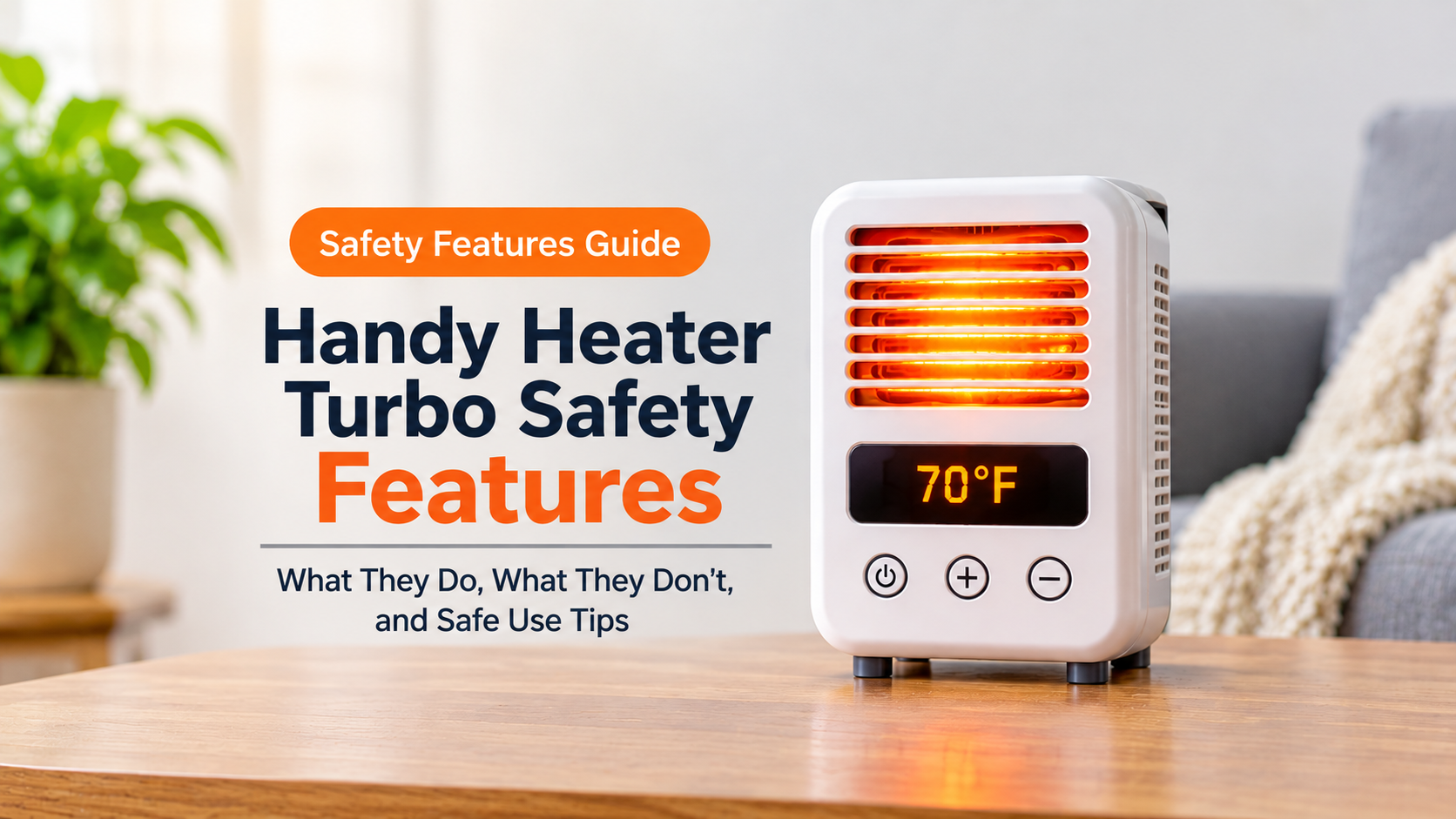
Handy Heater Turbo Safety Features: What You Get, What You Don’t, and How to Use It Safely
Any heater that plugs straight into a wall outlet deserves a close look at its safety features before you buy or use it. The Handy Heater Turbo is a popular compact plug-in heater, and sellers highlight features such as auto shut-off, a stay-cool housing and a 12-hour timer. But what do those features really do, how much can you rely on them, and what extra precautions should you take? This guide explains the Handy Heater Turbo safety features in plain language, including their limits, so you can make an informed decision and use the heater more safely.
Quick Summary
- Listed safety features: ceramic heating element, stay-cool housing, auto shut-off (described by several sellers as overheat protection), a programmable timer of up to 12 hours and a thermostat.
- Certification: many retailers list the Turbo 800 as ETL listed. Check your own unit and packaging for certification marks that apply in your country.
- Limits: safety features reduce risk but do not make a heater safe in a loose outlet, near flammable items or when left unattended.
- Important caution: some consumer testing organizations have raised safety concerns about plug-in heaters of this type, and they are not permitted in some countries.
The Safety Features Listed for the Handy Heater Turbo
Retailer pages and the manufacturer’s materials for the Handy Heater Turbo 800 describe the following safety-related features. Product descriptions can vary by seller, version and region, so confirm the details on your own unit and in your manual.

1. Ceramic Heating Element
The heater uses a ceramic element, a common technology in small heaters. Ceramic elements heat up quickly and spread warmth evenly across the airflow. They are generally considered a safer option than an exposed glowing coil, because there is no bare red-hot wire inside the vents. This does not remove the need to keep objects away from the heater, since the air coming out is still hot.
2. Stay-Cool Housing
Sellers describe the outer casing as designed to stay cooler to the touch, which helps reduce the risk of accidental burns. “Cooler” is not the same as “cold.” The vents and the air that leaves them can still be hot, and the plug and outlet area can warm up during use. Treat the heater with care, especially around children and pets.
3. Auto Shut-Off and Overheat Protection
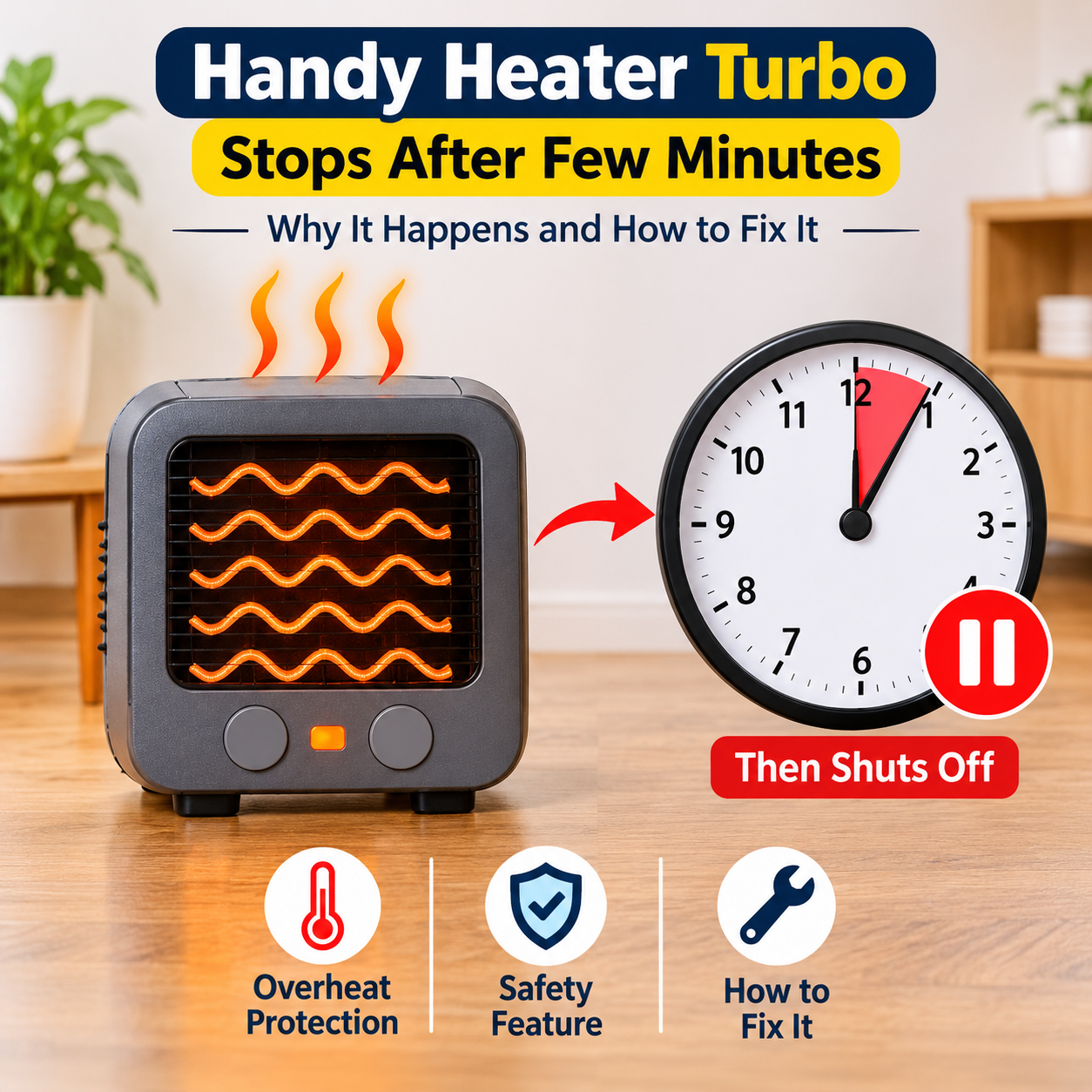
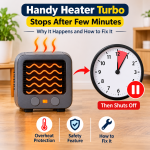
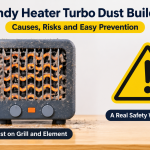
Many listings describe an automatic shut-off function that is meant to turn the heater off in unsafe conditions, such as overheating. This is one of the most important features in any heater. In practice, it can be triggered when dust blocks the airflow or when the heater is working in poor conditions. If your heater keeps shutting off, do not try to bypass or defeat the protection. Instead, clean the vents, improve the clearance around it and check the outlet.
Note that a small number of retailer specification tables do not list overheat protection or auto-off at all. This is a reminder that product listings are not always consistent, so check your own manual and packaging.
4. 12-Hour Programmable Timer
The timer lets you choose how long the heater runs, up to 12 hours, after which it turns itself off. It works as a practical safety tool, because it limits the chance of the heater running for a long time by accident. Using a shorter timer than you think you need is usually the safer habit.
5. Adjustable Thermostat
The thermostat (60–90°F, about 18–32°C) switches the heater off when the room reaches your set temperature and on again when it cools. This prevents continuous operation at full power and also helps save energy. It is a comfort and efficiency feature as well as a safety one.
6. ETL Listing
Several retailers list the Turbo 800 as ETL listed. ETL is a safety testing mark used in North America, and it indicates that a product has been tested against recognized standards. If a heater is sold in your country, look for a certification mark that is valid where you live, and check that it appears on the product or its packaging. A certification does not guarantee that every unit is free from defects, which is why careful use still matters.
What the Safety Features Cannot Do

It is easy to assume that a heater with auto shut-off is automatically safe in any situation. It is not. Here is what built-in features cannot do:
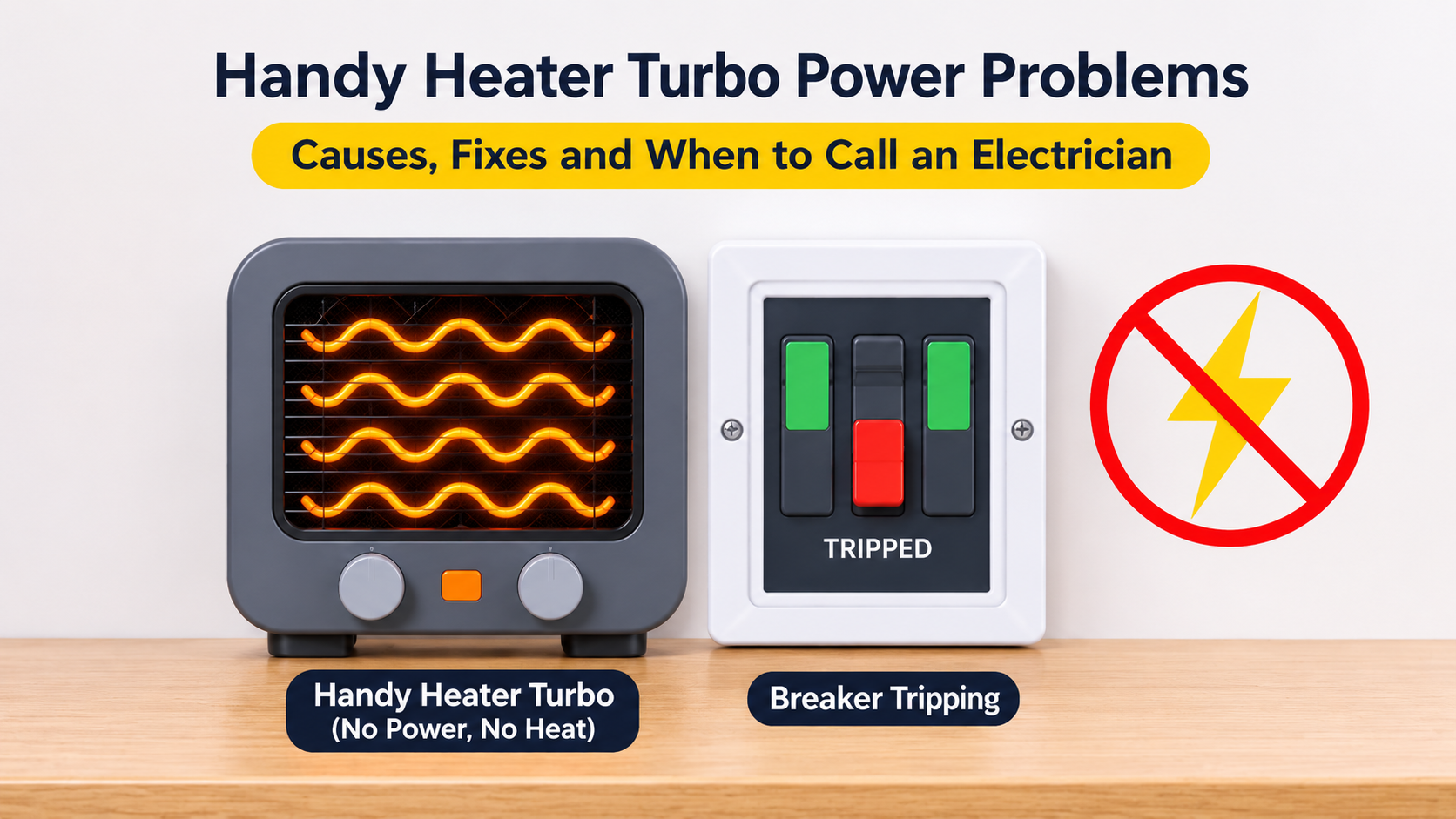
- They cannot fix a bad outlet. A plug-in heater hangs from the socket, so a loose, worn or damaged outlet can cause poor contact, heat build-up and a fire risk.
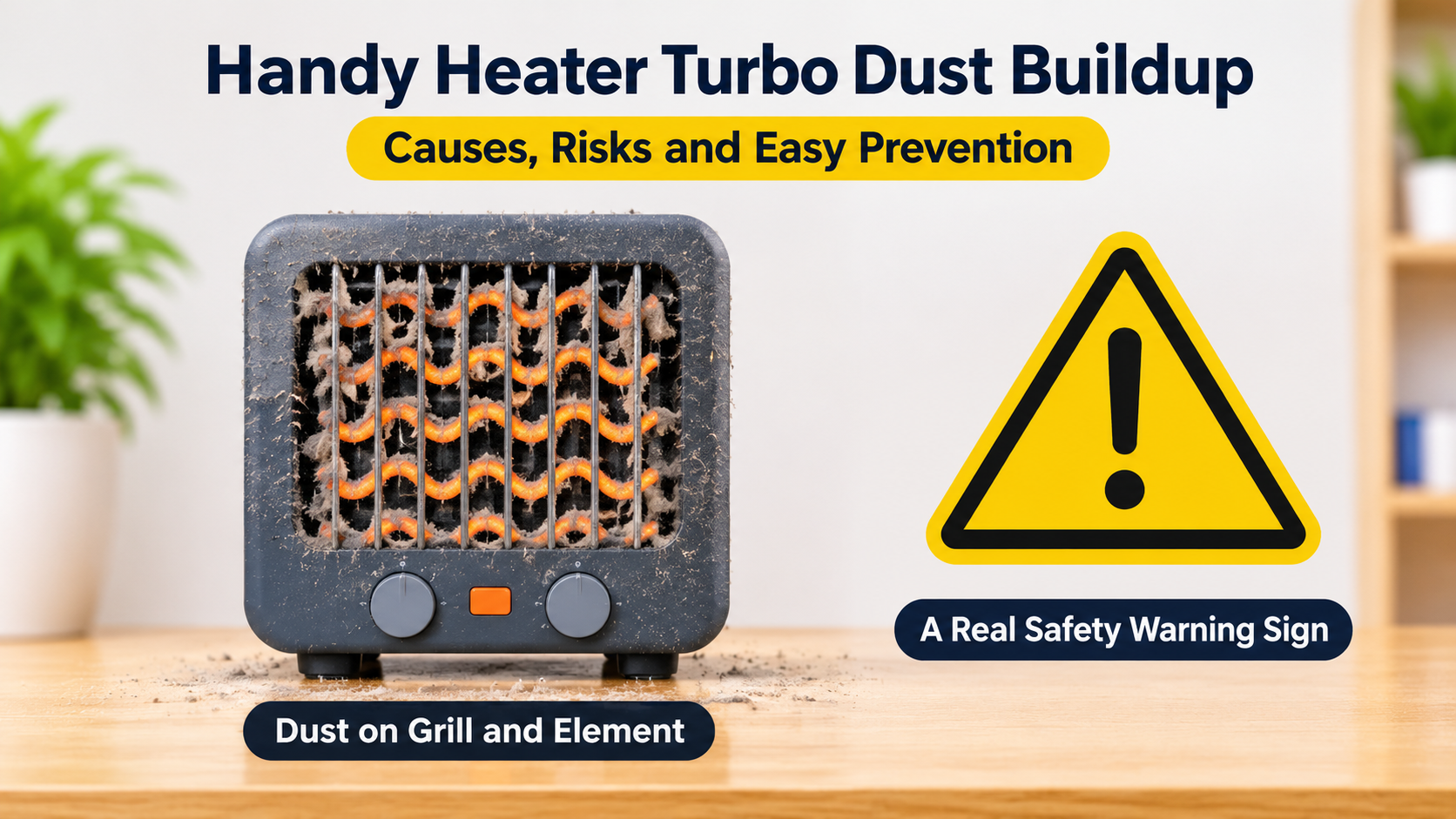
- They cannot make covering the heater safe. Blocked vents prevent airflow and increase the risk of overheating.
- They cannot replace supervision. Heaters should not be left running unattended for long periods, and they should not be used while you sleep.
- They cannot make wet areas safe. Keep the heater away from water, showers, sinks and wet hands.
- They do not apply to a damaged unit. If the plug, housing or controls are damaged, stop using the heater.
Safety Concerns You Should Know About
A responsible look at safety features also means looking at concerns. Wall-outlet heaters carry extra risk because their full weight and electrical load are carried by one socket. Consumer testing organizations in some markets have criticized this style of heater, including the Handy Heater Turbo 800, over plug design, heat output and compliance with local safety standards. In certain countries, heaters with built-in plug pins are not allowed to be sold or used. Reviews from buyers are also mixed, with some owners reporting weak heat, loose-fitting plugs or units that stopped working after a short time.
This does not mean every unit is dangerous, but it does mean you should check that the heater is approved for your country, that it fits your outlets firmly, and that you follow all safety instructions. If you live somewhere that does not permit plug-in heaters of this design, do not use one with an adapter.
Safety Check Before Every Use

- Check that the outlet is firm, undamaged and not discolored.
- Push the heater in fully so it sits flush and does not wobble.
- Make sure the vents are clean and not blocked.
- Remove curtains, bedding, clothes and paper from the area.
- Plug directly into the wall. Do not use extension cords or power strips.
- Set the timer before you leave the heater running.
Warning Signs: When to Stop Using the Heater
Unplug the heater and stop using it immediately if you notice:
- A burning or melting plastic smell (a mild odor on first use can be normal, but a strong smell is not)
- A plug or outlet that feels very hot to the touch
- Scorch marks, sparks or crackling sounds
- A plug that sags, wobbles or will not stay firmly in the outlet
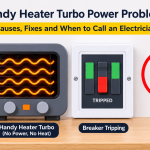
- Repeated shut-offs with no clear reason
If any of these happen, contact the seller about a replacement or refund. Do not open or repair the heater yourself.
Is It Safe to Use Overnight or Around Kids and Pets?
Some product pages claim that the cool-touch housing and overheat protection make the heater suitable for use overnight or around children and pets. It is safer to be cautious. General space heater safety guidance recommends not leaving a heater running while you sleep or when nobody is in the room, and keeping children and pets away from heaters. If you want to warm a room before bed, use the timer for a short period and unplug the heater before you sleep.
Safety Features to Look for in Any Heater
If you are comparing heaters, or thinking about a replacement, this checklist covers the features that matter most.

Note that a tip-over switch matters for freestanding heaters, but it is less relevant to a wall-outlet model. For plug-in heaters, the firmness of the plug and the condition of your outlets are especially important. If you need to heat a larger space or want extra stability, a heater with a power cord, a stable base, tip-over protection and a certification mark recognized in your country may be a better fit.
Safety Maintenance Tips
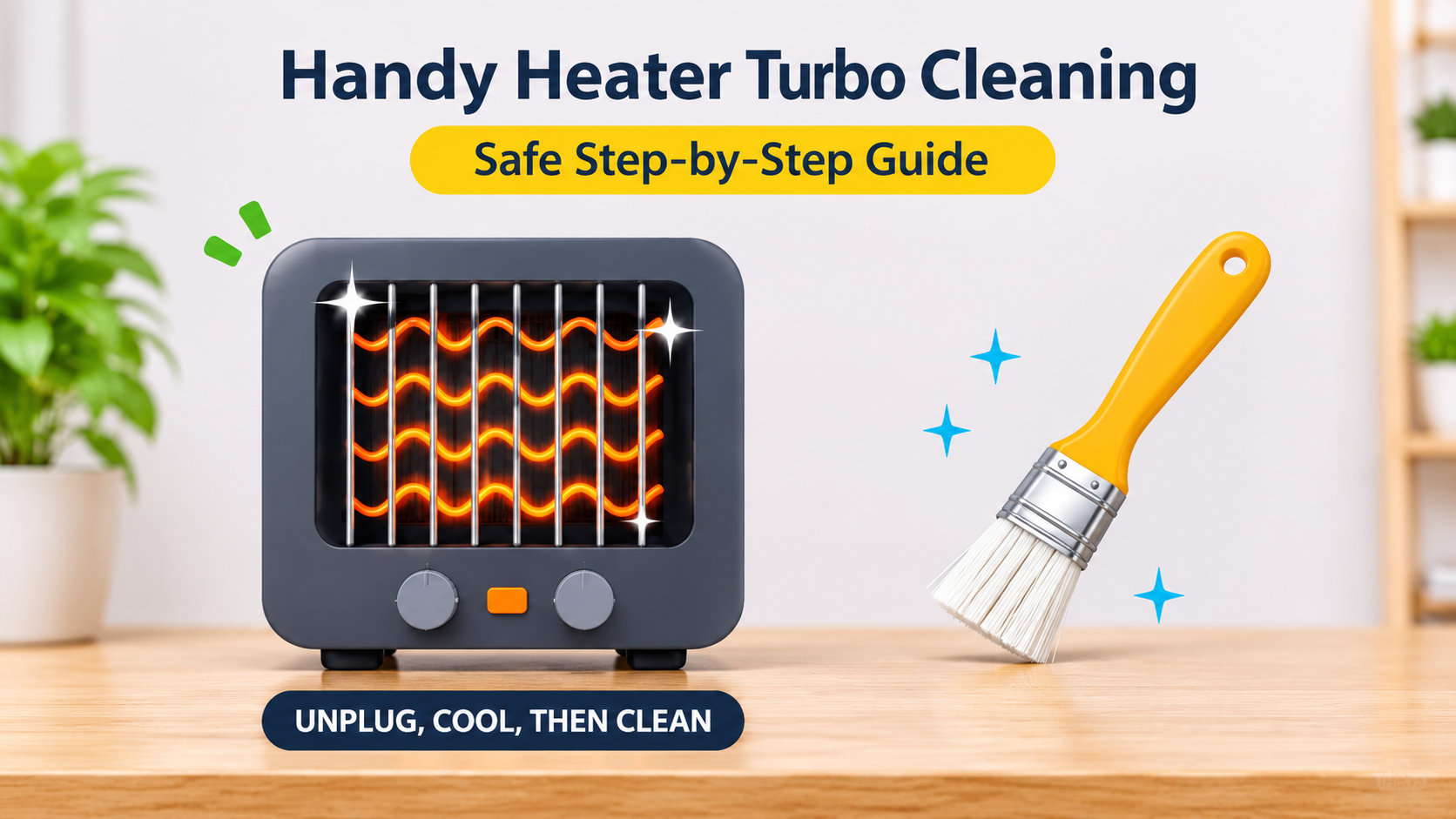
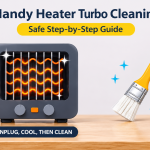
- Unplug the heater and let it cool before cleaning.
- Brush dust from the vents every few weeks during the heating season.
- Never use water or sprays inside the heater.
- Check the plug pins and outlet regularly for discoloration or looseness.
- Store the heater clean and dry at the end of the season.
- Keep the manual and your receipt for any warranty claim.
Frequently Asked Questions
Does the Handy Heater Turbo have overheat protection?
Many retailer and manufacturer descriptions list auto shut-off or overheat protection, but a few specification tables do not. Check your own manual and packaging to confirm the features of your version.
Is the Handy Heater Turbo ETL certified?
Several retailers list it as ETL listed. Look for the certification mark on the unit or its packaging, and make sure the certification applies in your country.
Does it have a tip-over switch?
The listings reviewed for this guide do not highlight a tip-over switch for the Turbo 800. Because it plugs directly into the wall and is not freestanding, tip-over protection is less relevant, but plug security matters a lot.
Is the outside of the heater cool to the touch?
Sellers describe a stay-cool housing, but the vents and the air coming out of the heater can still be hot, and the plug area may warm up. Avoid touching the vents while the heater is on.
Can I leave it on overnight?
It is safer not to. Use the timer for short periods, and unplug the heater before you go to sleep.
Can I use it with an extension cord?
No. Plug the heater directly into a wall outlet. Extension cords and power strips are not recommended for heaters.
Is the Handy Heater Turbo safe for children and pets?
No heater is completely safe around children and pets. Keep them away from the heater, and place it where it cannot be reached or knocked.
Final Thoughts
The Handy Heater Turbo lists several useful safety features, including a ceramic element, stay-cool housing, auto shut-off, a 12-hour timer, a thermostat and an ETL listing on many retailer pages. They can reduce risk, but they work best alongside safe habits: a firm and undamaged outlet, clear space around the heater, regular cleaning, short timer settings and no unattended or overnight use. Because plug-in heaters of this design have drawn safety criticism in some markets, check that the heater is approved where you live, and stop using it immediately if you notice a hot plug, a burning smell or any other warning sign.