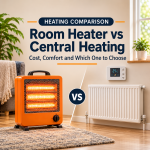

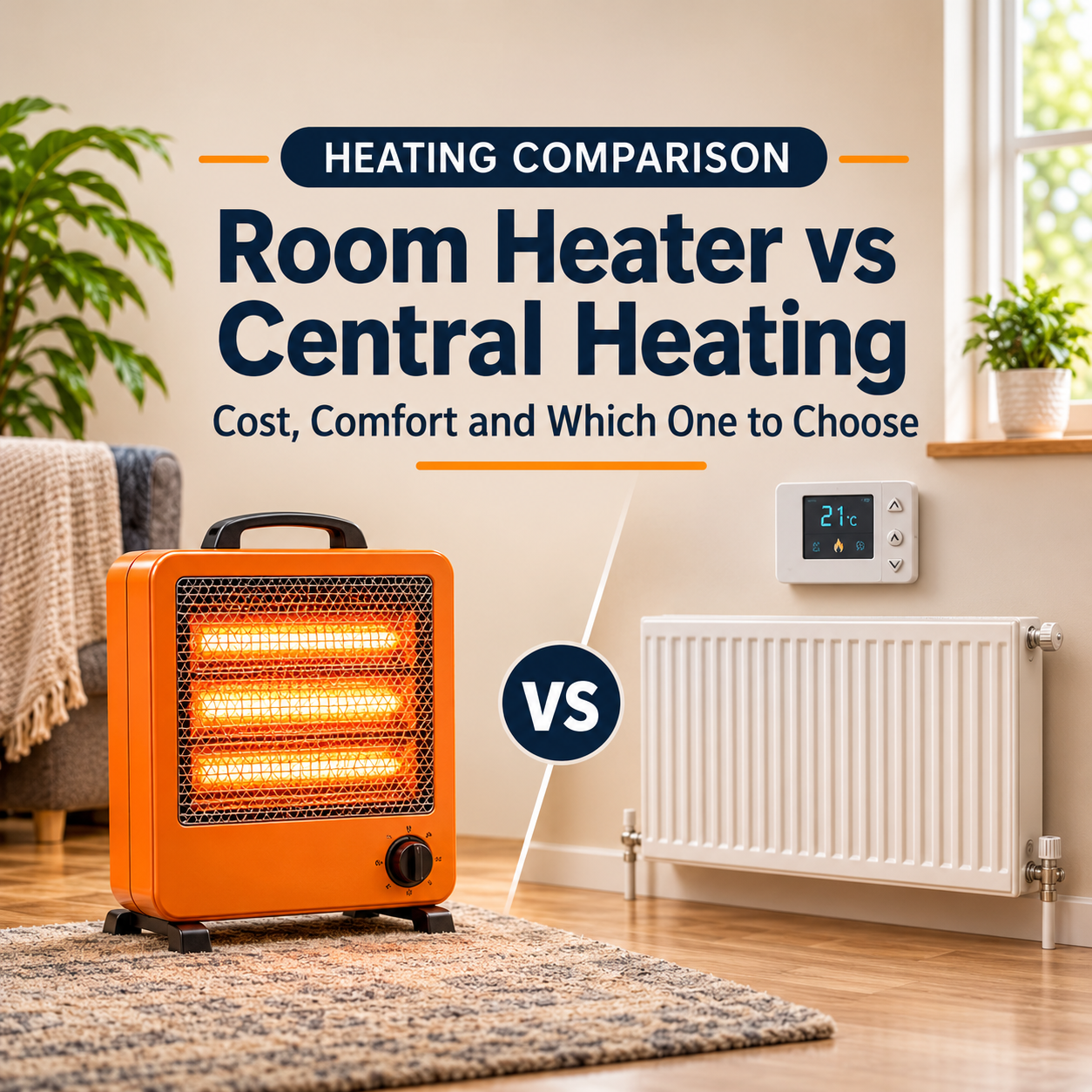
When the weather turns cold, you have two main choices: heat your whole home with central heating, or heat only the room you are in with a portable room heater. Both can keep you warm, but they differ in cost, comfort, convenience, and safety. This guide compares room heater vs central heating so you can decide which one suits your home, your budget, and your lifestyle.
What Is a Room Heater?
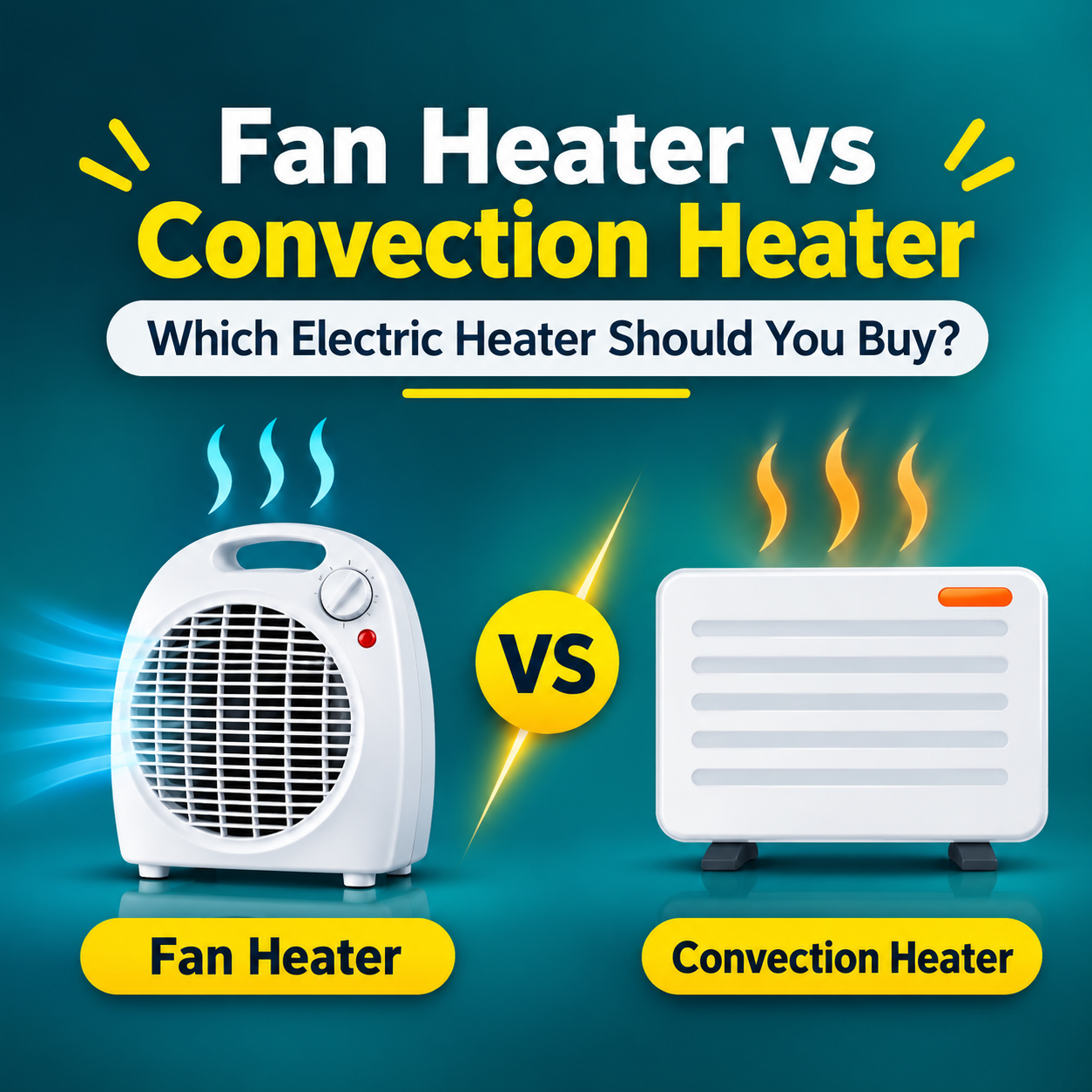
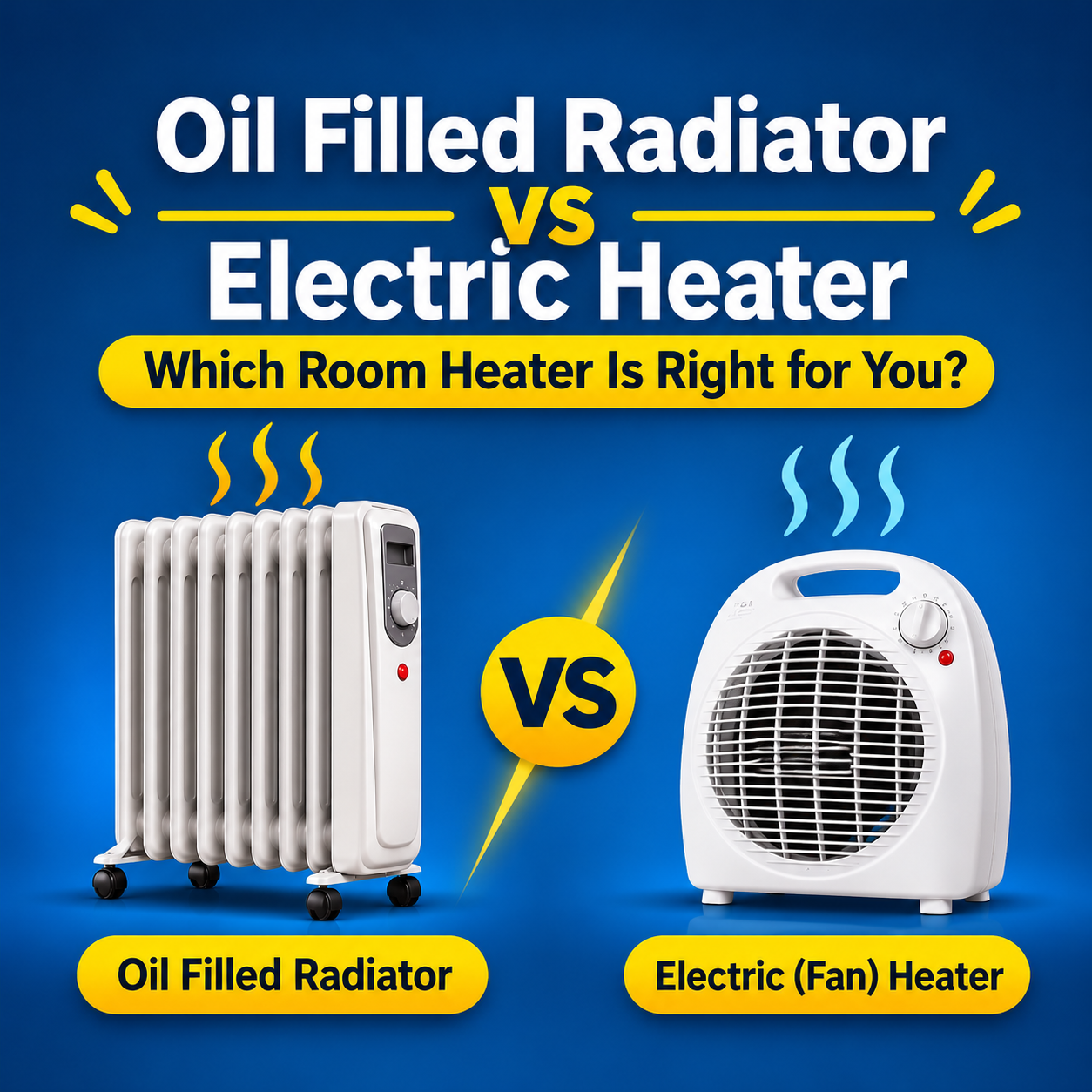
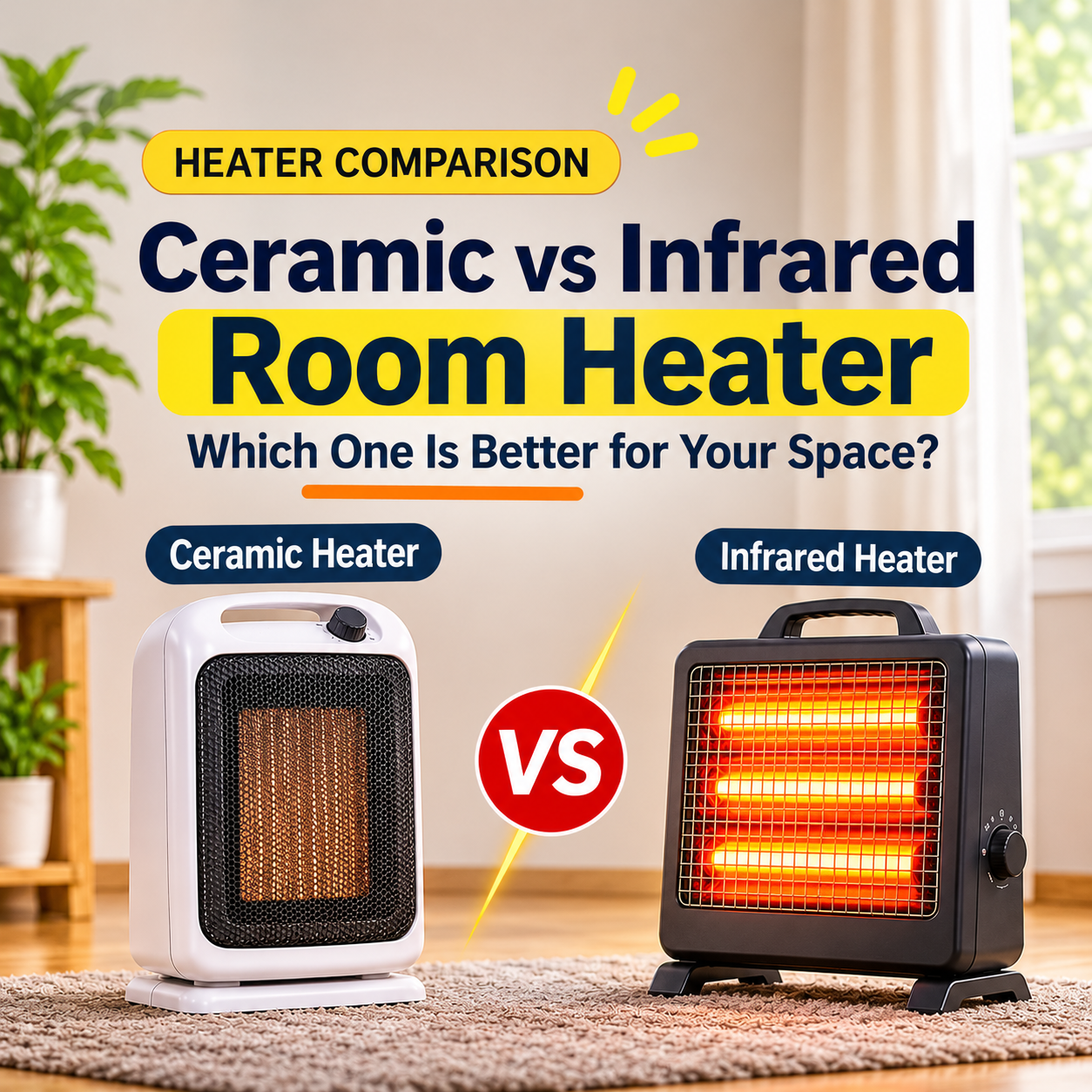
A room heater is a portable or wall-mounted appliance that warms a single room. Most are electric and simply plug into a wall socket. Common types include fan heaters, oil-filled radiators, convection and panel heaters, and infrared heaters. They need no installation, are low in upfront cost, and can be moved from room to room.
What Is Central Heating?
Central heating warms the whole home from one main source, such as a boiler, a furnace, a heat pump, or a district heating system. The heat is distributed through radiators, underfloor heating, or ducts and vents. It is installed permanently and controlled by a thermostat or programmer.
Room Heater vs Central Heating at a Glance

1. Upfront Cost and Installation
Room heaters are inexpensive to buy and need no installation. You take it out of the box, plug it in, and use it. Central heating needs a major investment, because it involves a boiler or heat pump, pipes or ducts, radiators or vents, and professional installation. For renters, people in temporary housing, or anyone with a tight budget, a room heater is often the only practical choice.
2. Running Costs
Running cost is where the comparison gets interesting, and the answer depends on your situation.
- An electric room heater converts almost all the electricity it uses into heat, so its efficiency at the point of use is very high. But the cost per unit of heat depends on the price of electricity, which is higher than gas in many regions.
- Central heating systems vary. A modern, efficient gas boiler or a heat pump can deliver heat at a lower cost per unit than electric resistance heating. A heat pump can move more heat than the electricity it uses, which can make it much cheaper to run than a resistance heater.
- If you only need heat in one room for a few hours, a room heater can cost less overall, because you are not heating empty rooms. If you need heat in many rooms for most of the day, central heating usually works out cheaper per unit of heat.

Energy prices, fuel type, insulation, and the efficiency of your system all affect the result, so check your own figures before deciding.
3. Heating Coverage and Comfort

A room heater warms the area around it, but other rooms and corridors stay cold. Moving between rooms can feel uncomfortable. Central heating provides even, background warmth throughout the home, which many people find more comfortable, especially in very cold climates and in homes with children or elderly people.
4. Control and Convenience
Room heaters give you control per room. You can turn them on and off instantly and move them around. Most good models have a thermostat and a timer. Central heating offers automatic scheduling and can be managed from a single thermostat or smart controls, so you do not have to remember to turn anything on. Some central systems also have thermostatic radiator valves for room-by-room control.
5. Speed of Heating
A fan heater can warm up a small room quickly. Oil-filled and panel heaters take longer but hold heat well. Central heating can take time to warm a whole home from cold, but once it is running, it keeps the temperature steady.
6. Safety
Central heating is generally safer day to day, because the heat source is fixed, enclosed, and professionally installed. Portable heaters need more care. Keep them at least 3 feet (about 1 metre) from anything flammable, never cover them, plug them directly into a wall socket, and avoid leaving them on unattended. Fuel-burning central heating systems need regular servicing and a carbon monoxide alarm.
7. Maintenance
A room heater needs only a regular clean of its vents and a check of the cord and plug. Central heating needs more maintenance, such as annual servicing of the boiler or furnace, bleeding radiators, and replacing filters. Maintenance costs are an important part of the total cost of owning a central system.
8. Flexibility and Portability
A room heater is easy to move, use in a spare room, or take with you when you move home. Central heating is fixed, so it adds value to a property but cannot be taken with you.
9. Environmental Impact
The impact depends on how the energy is produced. An electric room heater has no local emissions, and its carbon impact depends on your electricity supply. A gas or oil boiler burns fuel at home, while a heat pump is generally among the most efficient and lower-carbon options, especially when powered by clean electricity.
Pros and Cons Summary
| Room Heater | Central Heating | |
|---|---|---|
| Pros | Low upfront cost, no installation, portable, heats only where needed, instant control | Even heat in the whole home, automatic scheduling, safer day to day, adds home value, often cheaper per unit of heat for heavy use |
| Cons | Heats only one room, can be expensive if used a lot, safety care needed, uneven warmth | High installation cost, needs servicing, slow to change, not suited to renters or occasional use |
Which Should You Choose?

The Hybrid Approach: Use Both

Many homes get the best of both worlds by running central heating at a moderate, steady level and using a room heater for extra warmth in the room they are using. This lets you lower the central thermostat a little and avoid heating rooms nobody is in. Just remember that running both for long hours will add to the bill, so use the thermostat and timer on your room heater.
Tips to Get the Most From Either Option
- Seal draughts and improve insulation, because it helps any heating system.
- Use thick curtains and rugs to retain heat.
- Use thermostats and timers so heating only runs when needed.
- Close doors to rooms you are not using.
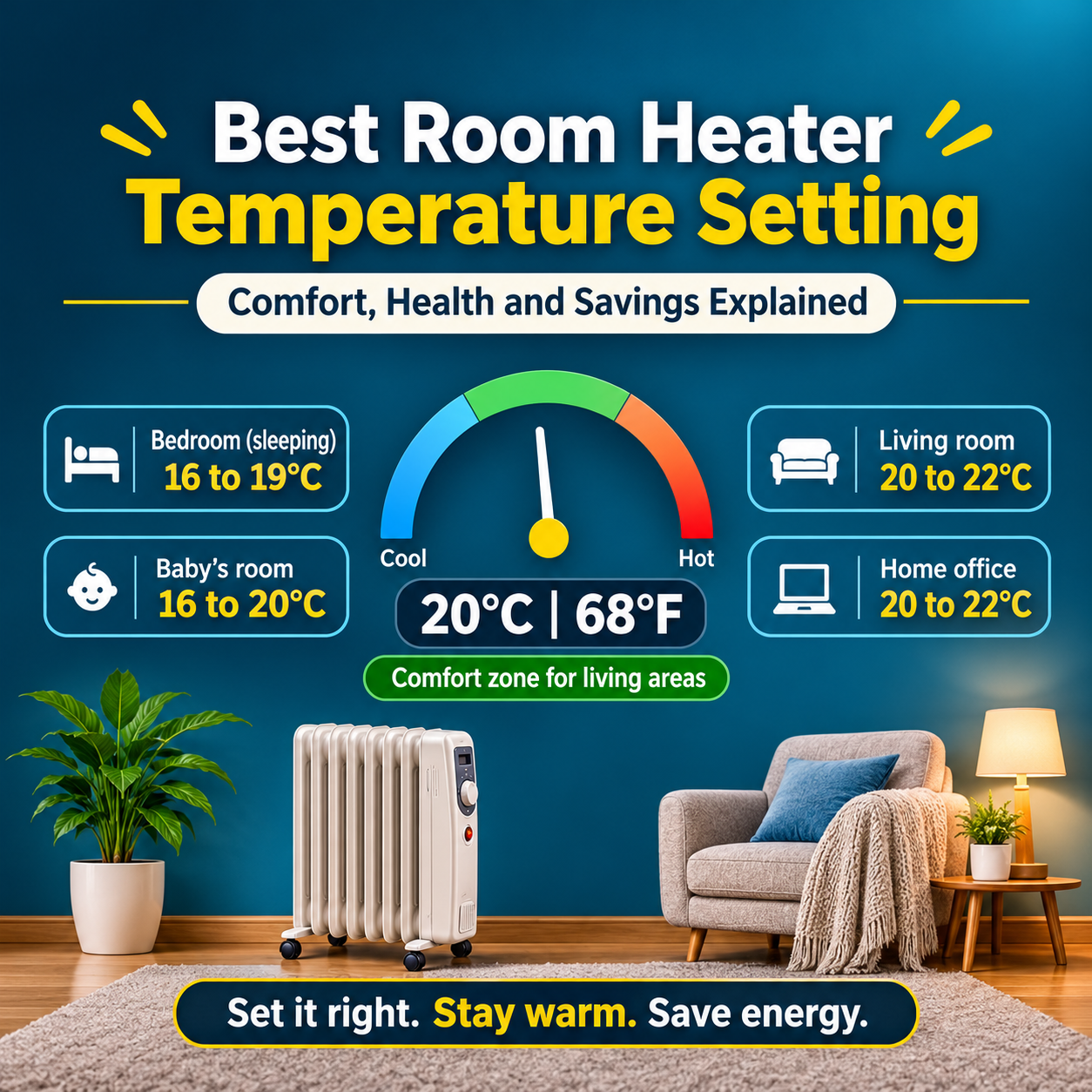
- Match the heater’s size to the room, with about 10 watts per square foot as a common starting point for electric heaters.
- Clean and service your equipment regularly.
What to Look for When Buying a Room Heater
If you decide a room heater is right for you, or want one to supplement central heating, look for these features:
- Adjustable thermostat: keeps the temperature steady and saves energy.
- Timer or programmable settings: prevents wasted running time.
- Multiple heat settings: lets you reduce the output once the room is warm.
- Right wattage for the room: do not over or undersize it.
- Type to suit your use: oil-filled for steady warmth, fan for quick bursts, infrared for spot heating.
- Tip-over and overheat protection: essential safety features.
- Quiet operation: useful for bedrooms and offices.
- Safety certification and clear instructions: check the product label for recognised safety marks.
Frequently Asked Questions
Is a room heater cheaper than central heating?
It can be if you only heat one room for a short time. For heating many rooms for long hours, central heating, especially an efficient system, is often cheaper per unit of heat.
Can a room heater replace central heating?
In a small home or for occasional use, yes. For a larger home in a cold climate, using many room heaters is usually more expensive and less comfortable.
Is it cheaper to heat one room or the whole house?
Generally, heating only the room you use costs less than heating the entire home, as long as you keep the door closed and the room well insulated.
Is central heating safer than a room heater?
It is usually safer in everyday use because the equipment is fixed and professionally installed. Room heaters are safe when used correctly with proper clearance and care.
Can I use a room heater with central heating?
Yes. Many people use a room heater for extra warmth in one room and turn the central thermostat down slightly.
Which heating option is best for renters?
Room heaters are usually the best choice because they need no installation and can be moved when you do. Check your lease and local rules about heating appliances.
What is the most efficient way to heat a home?
Heat pumps are generally considered among the most efficient options, because they move heat rather than simply creating it. The best option depends on your climate, home, and budget.
Final Thoughts
There is no single winner in the room heater vs central heating debate. A room heater is cheap, flexible, and ideal for small spaces, renters, and short-term heating. Central heating costs more upfront but gives even, convenient warmth for the whole home and often wins on cost for long daily use. Think about your home size, climate, budget, and how many hours you really need heat each day. For many households, a sensible mix of efficient central heating and a well-chosen room heater delivers the best comfort for the money.