Winter brings cosy rooms, and also higher electricity bills. A room heater is simple and convenient, but it can use a lot of power if you do not know how it works. Understanding room heater electricity consumption helps you predict the cost, choose the right heater, and cut your bill without feeling cold.
This guide explains watts and kilowatt-hours in plain language, shows you how to calculate what your heater costs, compares typical power use by heater type, and gives practical ways to save energy.
How Much Electricity Does a Room Heater Use?
Most portable electric room heaters are rated between about 500 and 2000 watts, and many common models are around 1500 watts. That makes a heater one of the most power-hungry appliances in a typical home, because its entire job is to turn electricity into heat. By comparison, an LED bulb uses only a few watts.

Watts, Kilowatts and kWh Explained
- Watt (W): the rate at which a heater uses power at any moment.
- Kilowatt (kW): 1000 watts. A 1500 W heater is a 1.5 kW heater.
- Kilowatt-hour (kWh): the amount of energy used. A 1000 W heater running for one hour uses 1 kWh, which is the unit on your electricity bill.
How to Calculate Your Heater’s Electricity Cost

- Find the heater’s power rating in watts on its label or in the manual.
- Multiply by the number of hours you use it.
- Divide by 1000 to get kWh.
- Multiply by the price per kWh shown on your electricity bill.
Running Cost Examples
The table below uses a sample rate of $0.15 per kWh. Your own rate may be higher or lower, so replace it with your own tariff.
| Heater Power | Energy Used Per Hour | Cost Per Hour | Cost for 4 Hours | Cost for 8 Hours |
|---|---|---|---|---|
| 500 W | 0.5 kWh | $0.08 | $0.30 | $0.60 |
| 1000 W | 1.0 kWh | $0.15 | $0.60 | $1.20 |
| 1500 W | 1.5 kWh | $0.23 | $0.90 | $1.80 |
| 2000 W | 2.0 kWh | $0.30 | $1.20 | $2.40 |

These figures assume the heater draws full power the whole time. In real life, a heater with a thermostat cycles on and off, so the actual energy used is often lower.
Why a Thermostat Matters

Without a thermostat, the heater draws full power for as long as it is switched on. With a thermostat, it switches off when the room reaches your chosen temperature and back on when it cools down. This can reduce energy use noticeably, especially in a well-insulated room.
Are Some Heater Types More Energy Efficient?
Electric resistance heaters, which include fan, oil-filled, panel, ceramic and infrared models, convert practically all the electricity they use into heat. So, in terms of pure energy conversion, one 1500 W heater costs about the same to run as another 1500 W heater. The real differences are in how well they suit your room and how you use them.
| Heater Type | Efficiency Notes |
|---|---|
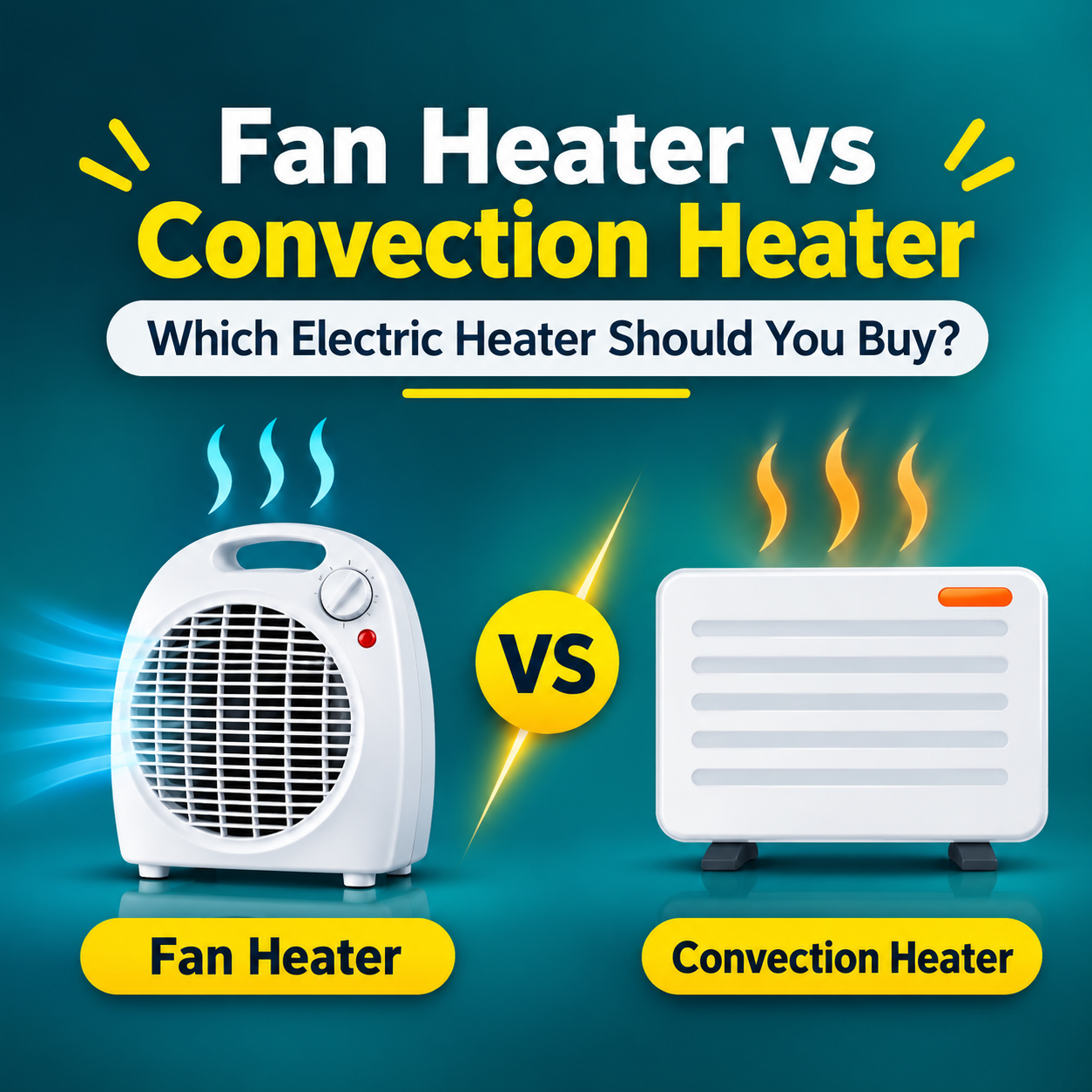
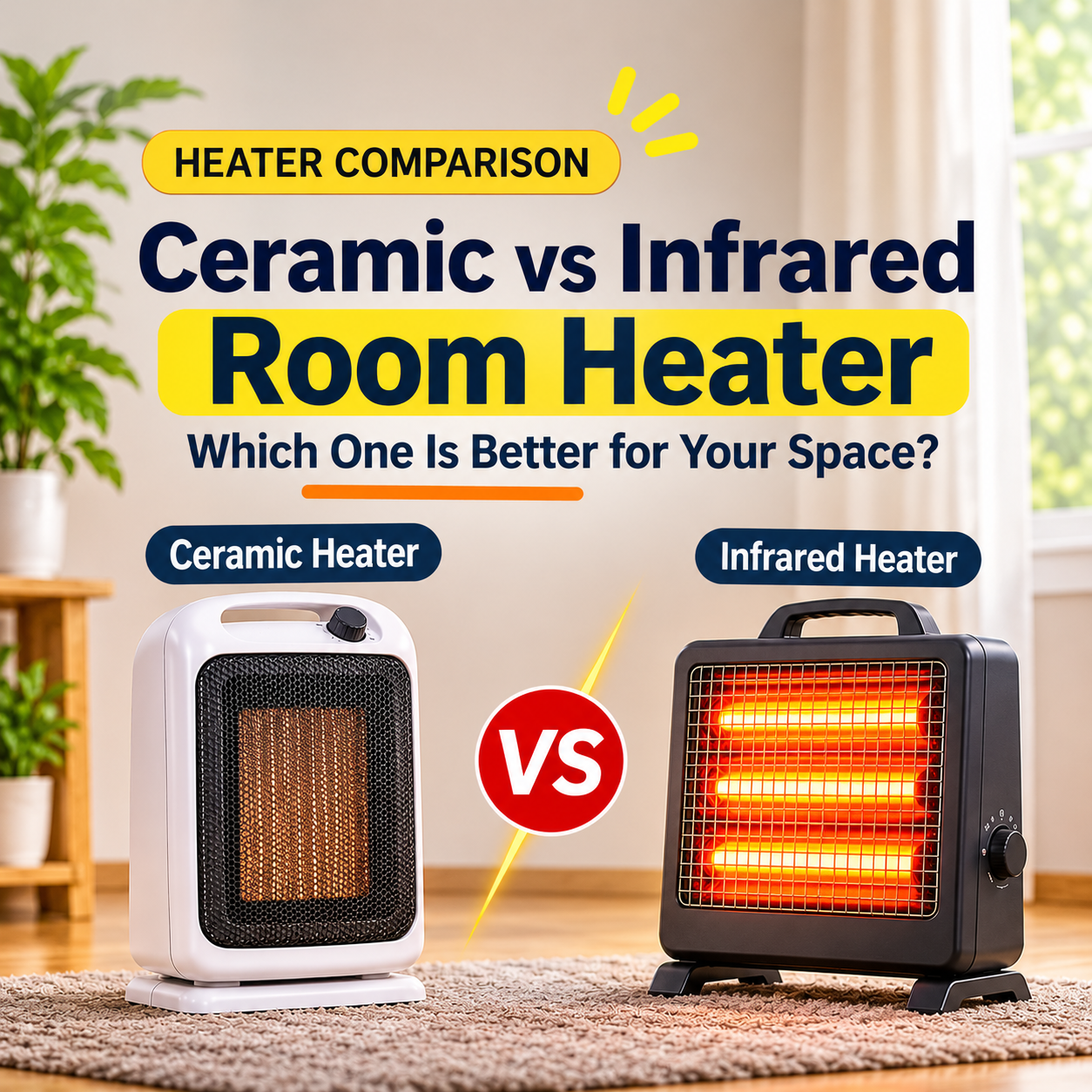
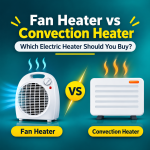
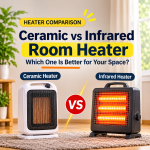
| Fan / ceramic heater | Heats up quickly, which is good for short use, but heat disappears fast when it switches off |
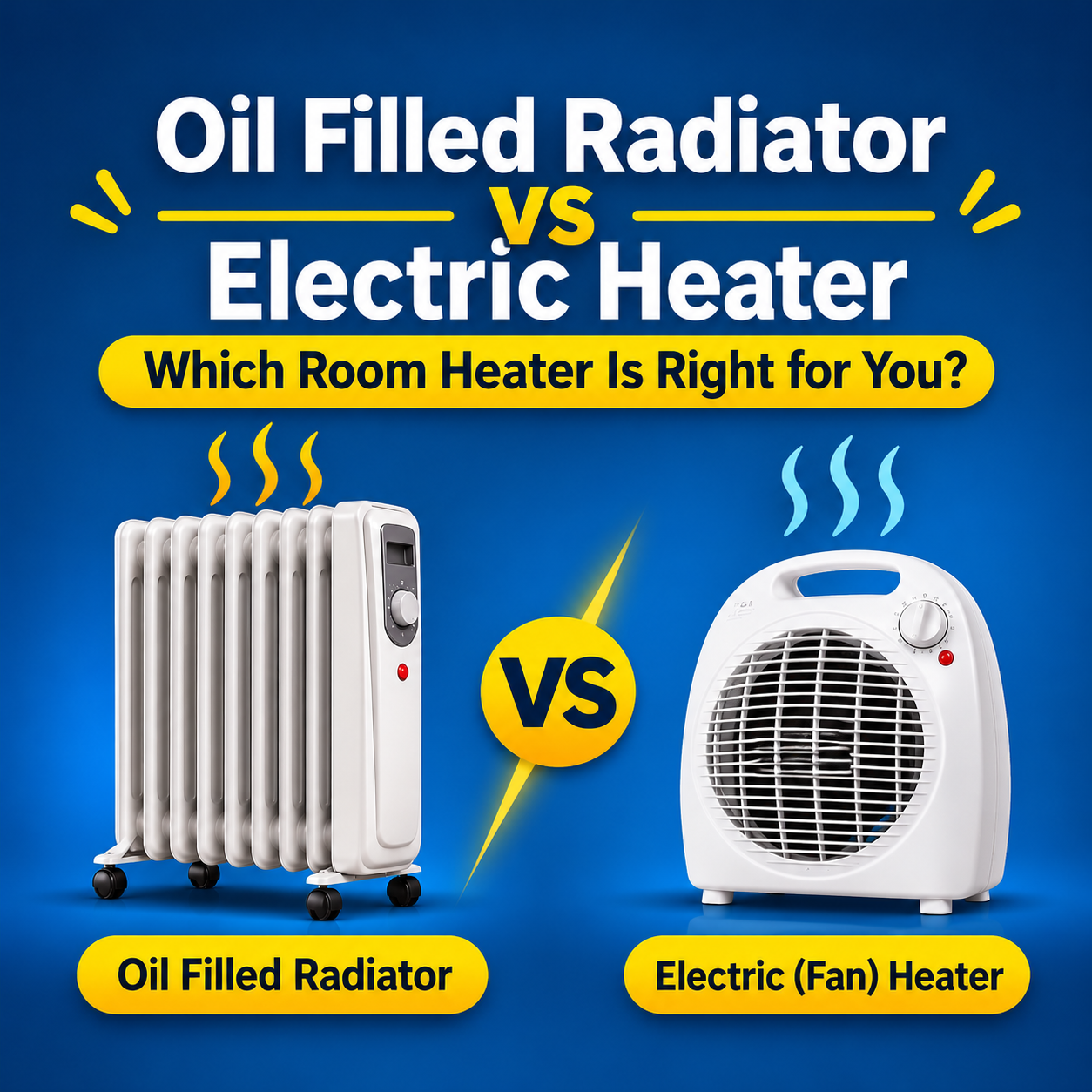
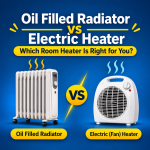
| Oil-filled radiator | Slow to warm up but holds heat well, which suits longer use with a thermostat |
| Panel / convection heater | Steady, even heat with good thermostat control |
| Infrared / radiant heater | Warms you directly, so it can feel comfortable at a lower room temperature for spot heating |
| Heat pump / inverter air conditioner | Moves heat instead of just making it, so it can use less electricity for the same warmth, though it costs more to buy |
Some marketing claims about “energy saving” heaters are exaggerated. If a heater gives the same output in watts, it will use the same electricity at that setting.
What Affects How Much Electricity Your Heater Uses?
- Heater wattage: higher wattage means more energy used per hour.
- Running time: the longer it runs, the higher the bill.
- Room size: a big room needs more heat, so the heater runs longer.
- Insulation and draughts: heat that escapes has to be replaced.
- Outside temperature: the colder it is outside, the harder the heater works.
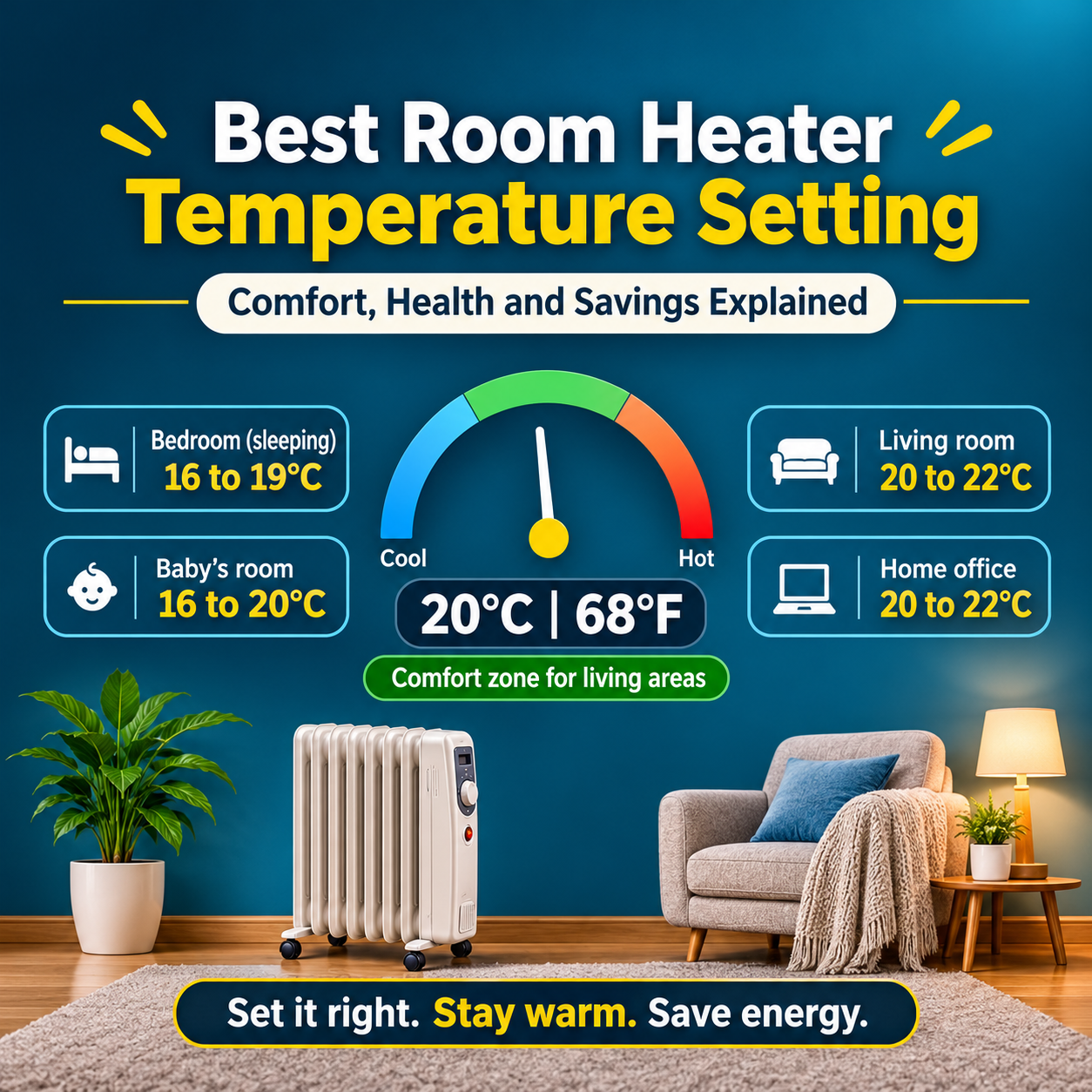
- Thermostat setting: a higher target temperature uses more energy.
- Ceiling height: more air volume to heat.
- Electricity tariff: the price per kWh differs by region and time of day.
How to Reduce Your Heater’s Electricity Consumption

Use a Thermostat and Timer
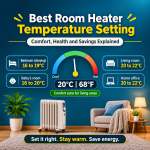
Set the temperature to a comfortable level, not the maximum, and use a timer to warm the room only when you need it.
Heat Only the Room You Are Using
Close doors and avoid heating empty rooms. A heater in a smaller closed space reaches temperature faster and cycles off sooner.
Seal Draughts and Improve Insulation
Weather stripping, thick curtains, draught excluders, and rugs reduce heat loss. This is often the cheapest way to cut heating costs.
Choose the Right Size Heater
A common starting point is about 10 watts per square foot of floor area for a standard room, more for poorly insulated or high-ceilinged spaces. An undersized heater runs constantly, while an oversized one may overheat the room and waste power.
Lower the Thermostat Slightly
Reducing the temperature setting by a degree or two can lower energy use, and warm clothing makes up the difference.
Use Zone Heating and Spot Heating
If you are sitting at a desk or on a sofa, a small radiant heater aimed at you can be more economical than heating the whole room.
Keep the Heater Clean and Maintained
A heater with clean vents works properly and does not need to run longer to produce the same warmth.
Use a Plug-In Energy Meter
A simple plug-in energy monitor shows exactly how much electricity your heater is using, so you can see the real cost.
Safety and Electrical Load
A 1500 W heater draws roughly 6.5 amps on a 230 V supply or about 12.5 amps on a 120 V supply. That is a large load for a single socket. Plug the heater directly into a wall socket, avoid extension leads and multi-plug adapters, and do not run other high-power appliances on the same circuit at the same time.
What to Look for in an Energy-Conscious Heater
When choosing a heater with running costs in mind, look for:
- Accurate adjustable thermostat: prevents overheating the room.
- Multiple power settings: lets you use a lower wattage once the room is warm.
- Timer or programmable schedule: avoids running it when it is not needed.
- Eco or auto mode: adjusts output to hold the temperature.
- Appropriate wattage for your room: do not buy bigger than you need.
- Good heat retention: oil-filled models keep radiating heat after the element switches off.
- Safety features: tip-over and overheat protection are essential.
- Clear energy or wattage labelling: so you can calculate costs accurately.
Frequently Asked Questions
How many units of electricity does a room heater use?
A 1000 W heater uses 1 unit (1 kWh) per hour at full power, and a 2000 W heater uses 2 units per hour. A thermostat can reduce the actual use.
Is a room heater expensive to run?
It can be, because it draws high power. Running a 1500 W heater for 4 hours a day can add a noticeable amount to your monthly bill, depending on your electricity rate.
Does a low-wattage heater save electricity?
It uses less power per hour, but it may need to run longer and may not heat a larger room adequately. Match the wattage to the room.
Which is cheaper to run, an oil-filled heater or a fan heater?
At the same wattage, they cost about the same per hour at full power. An oil-filled heater with a thermostat can use less over time because it holds heat after it switches off.
Does leaving a heater on all day cost more?
Yes. Using a thermostat and timer is cheaper than letting it run non-stop, and it is also safer.
Is it cheaper to heat one room than the whole house?
Often yes, if you stay in one room and keep the door closed. A heater is typically most economical for short-term, single-room heating.
How can I find out how much electricity my heater really uses?
Use the rated wattage for an estimate, or a plug-in energy meter for the actual figure.
Final Thoughts
A room heater’s electricity use comes down to a simple formula: watts times hours divided by 1000 gives kWh, and your tariff turns that into cost. You cannot change how many watts a heater needs to produce heat, but you can control how long it runs, how well your room holds the heat, and how smartly you use the thermostat and timer. Choose the right size, seal your draughts, heat only what you use, and you will stay warm without a shocking bill.