Best Room Heater Temperature Setting: What Is the Ideal Temperature for Every Room?
Buying a good room heater is only half the job. The other half is knowing what to set it to. Turn the thermostat too low and the room stays cold, damp and uncomfortable. Turn it too high and you waste electricity, dry out the air and may sleep badly. The right room heater temperature setting keeps you comfortable, protects your health and keeps your energy bill under control.
This guide gives you clear temperature targets in both Celsius and Fahrenheit for each room, explains how heater dials actually work, and shows how to build a simple daily routine that saves energy without sacrificing comfort.
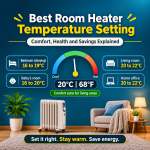
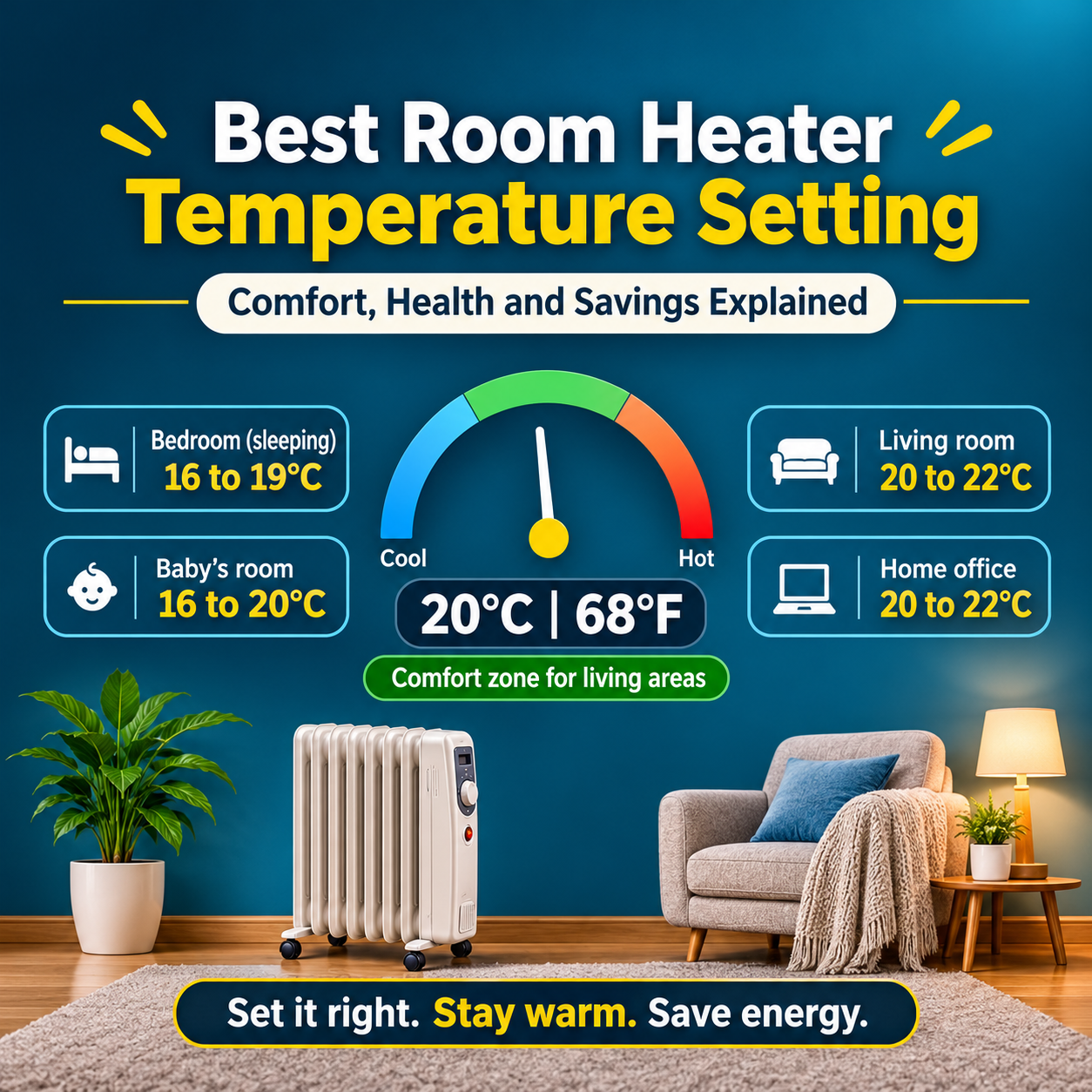
- Living areas and home offices: 20 to 22°C (68 to 72°F)
- Bedrooms while sleeping: 16 to 19°C (61 to 66°F)
- Baby’s room: 16 to 20°C (61 to 68°F)
- Bathrooms (short use): 22 to 24°C (72 to 75°F)
- Minimum for most occupied rooms: around 18°C (64°F), higher for older, ill or very young people
What Is the Ideal Room Temperature?
There is no single perfect number, because comfort depends on age, clothing, activity, humidity and personal preference. However, health and energy organisations broadly agree on a comfortable range. The World Health Organization suggests a minimum of about 18°C (64°F) for healthy adults in cold weather, and the United States Department of Energy recommends about 20°C (68°F) when you are awake and at home. Many people feel most comfortable between 20°C and 22°C (68°F and 72°F) when sitting still.
Sleeping is different. Your body temperature naturally drops at night, and most people sleep better in a cooler room, usually between 16°C and 19°C (61°F and 66°F).
Best Heater Temperature by Room
| Room | Recommended Temperature | Why |
|---|---|---|
| Living room | 20 to 22°C (68 to 72°F) | Low activity, so you need slightly warmer air to feel comfortable |
| Home office | 20 to 22°C (68 to 72°F) | Sitting still for hours; comfort supports focus |
| Bedroom (sleeping) | 16 to 19°C (61 to 66°F) | A cooler room supports deeper sleep |
| Baby’s room | 16 to 20°C (61 to 68°F) | Common safe-sleep guidance; avoid overheating |
| Bathroom | 22 to 24°C (72 to 75°F) | Short stays with bare skin need extra warmth |
| Kitchen, hallway, spare room | 16 to 18°C (61 to 64°F) | Active or lightly used spaces |
Bedrooms
Aim for about 16 to 19°C while sleeping. If you want to pre-warm the room before bed, use a timer and let the room settle back before you fall asleep. A heater that blows warm air all night is more likely to disturb sleep, so a quiet heater with an accurate thermostat is a better choice.
Baby and children’s rooms
Safe-sleep guidance for babies commonly recommends a room temperature of about 16 to 20°C (61 to 68°F). Overheating is a risk factor for infants, so use a room thermometer rather than guessing, and dress the baby in suitable layers instead of raising the heat. Always follow the advice of your paediatrician or health visitor.
Home offices and living rooms
Because you are mostly seated, set the thermostat to 20 to 22°C. Colder than this and your hands and feet cool down, which affects concentration. Hotter than 23°C tends to feel stuffy and can make you drowsy.
Bathrooms
Bathrooms need only be warm while you are using them. Use a heater designed for damp areas, run it briefly and ventilate afterwards to limit moisture.
Best Temperature Setting by Time of Day
You do not need the same temperature all day. Lowering the setting when you are asleep or out of the house is one of the simplest ways to cut your heating use. The chart below shows a sample routine for a typical weekday.
- Morning (6 to 8 am): 20°C while you get ready
- Daytime away: 16°C, or switch off in mild weather
- Evening (5 to 10 pm): 20 to 21°C for relaxing and family time
- Night: 16 to 18°C for sleep
A heater with a programmable timer makes this routine automatic. If you only have a basic plug-in timer socket, that works too, as long as the heater is rated for use with one and the instructions allow it.
How Heater Thermostat Settings Really Work
Many portable heaters have a dial marked 1 to 5, or “min” to “max”, rather than degrees. These numbers do not match real temperatures. The dial simply tells the heater at what point to switch the heating element off. This is why the same setting can feel different in a small room and in a large one.
A simple method to find your ideal setting
- Place a room thermometer at seated height, away from the heater and away from draughts.
- Turn the heater to its highest thermostat setting and let the room warm up.
- When the thermometer reaches your target, slowly turn the dial down until you hear the thermostat click off.
- Mark or remember that dial position for that room.
- Re-check on very cold or milder days, because the heater has to work harder in colder weather.
Digital heaters with a set-temperature display make this easier, but even these can read a few degrees differently from a separate thermometer, so it is worth checking.
Temperature Settings by Heater Type
| Heater Type | Best Use | Setting Tip |
|---|---|---|
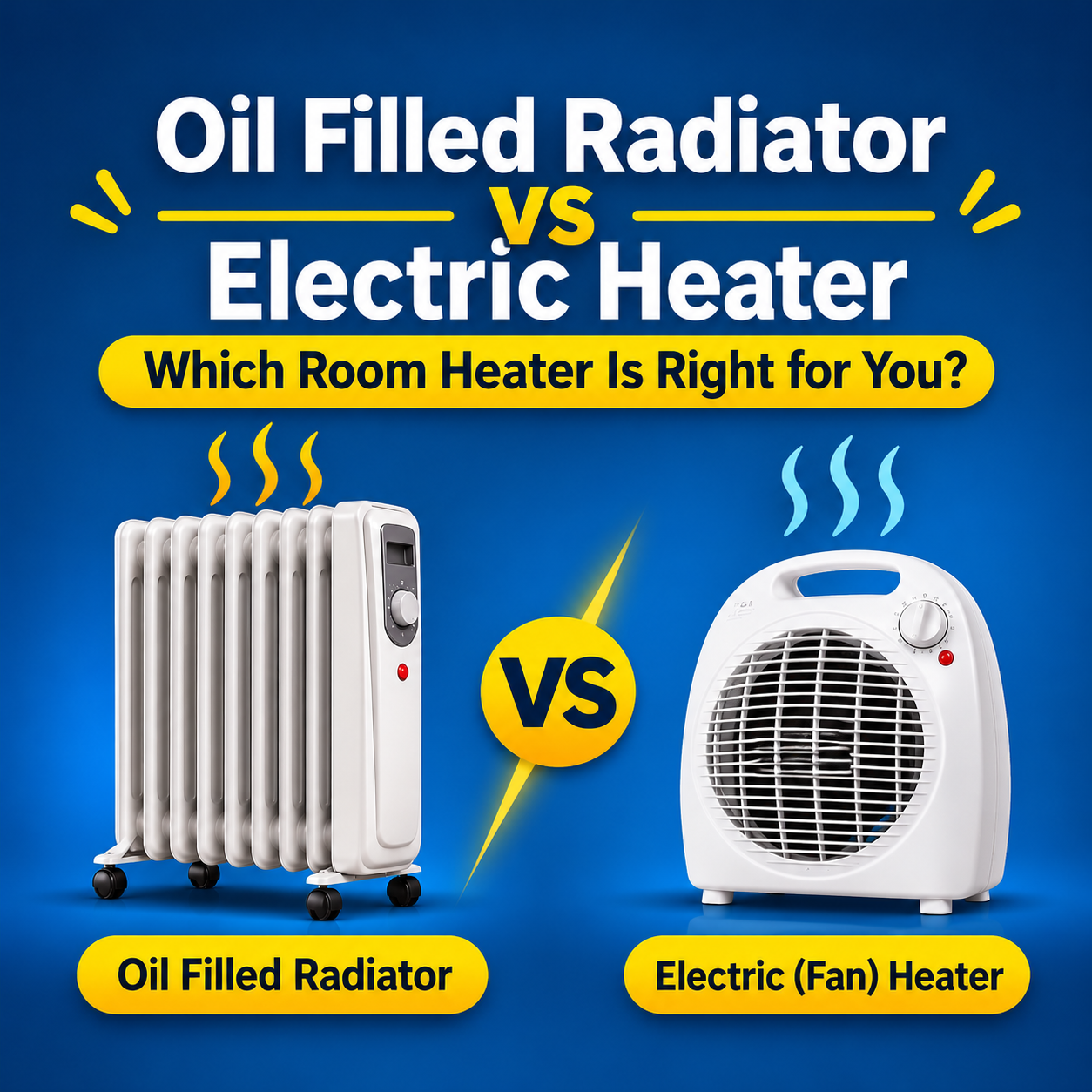
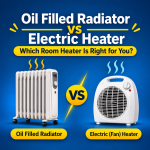
| Oil filled radiator | Long, steady heating | Switch on early and use a low to medium setting; it holds heat well |
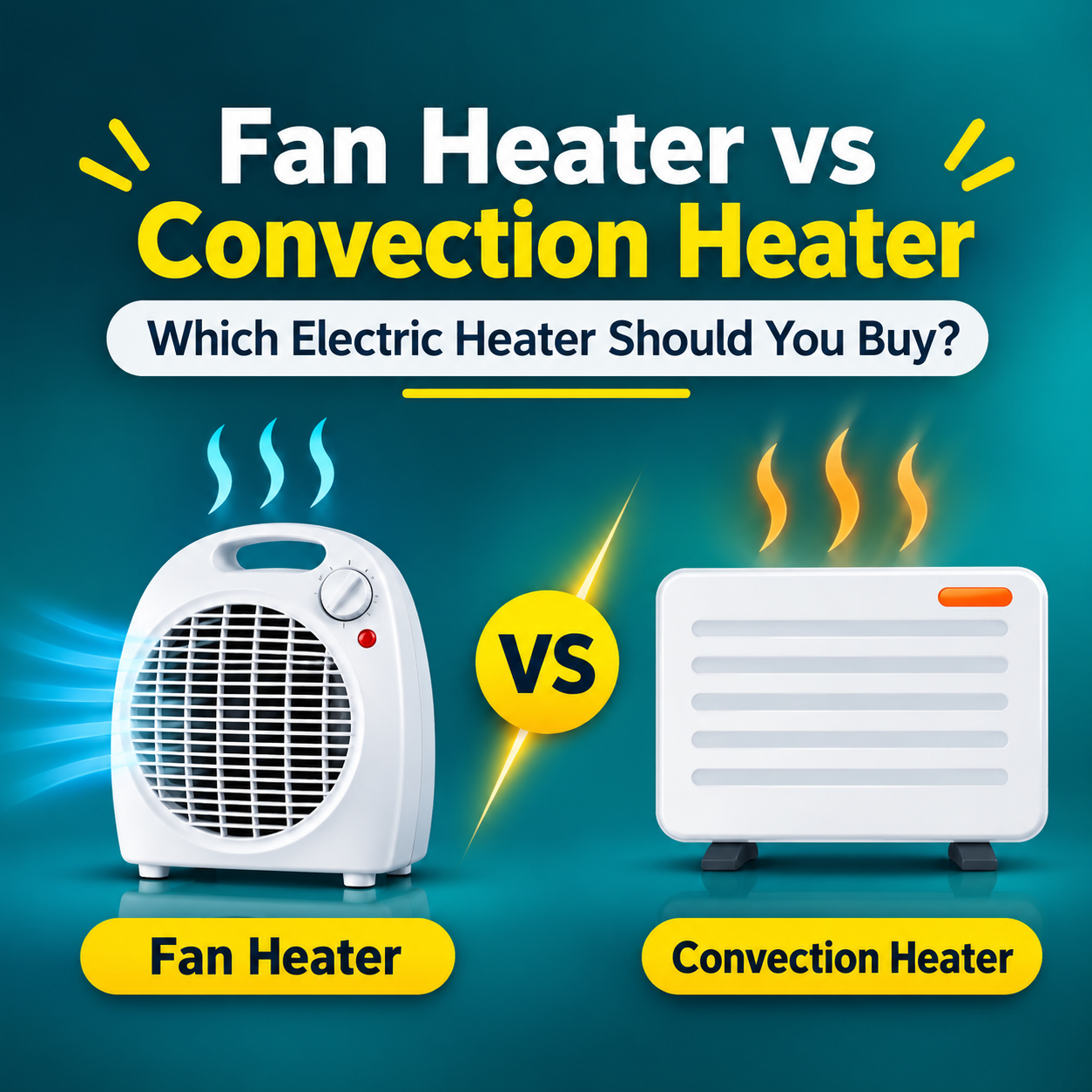
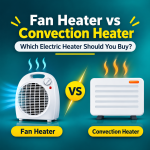
| Fan heater | Quick, short bursts | Use the high setting briefly, then lower it or switch off |
| Convection heater | Quiet whole-room warmth | Set the thermostat to your target and let it cycle |
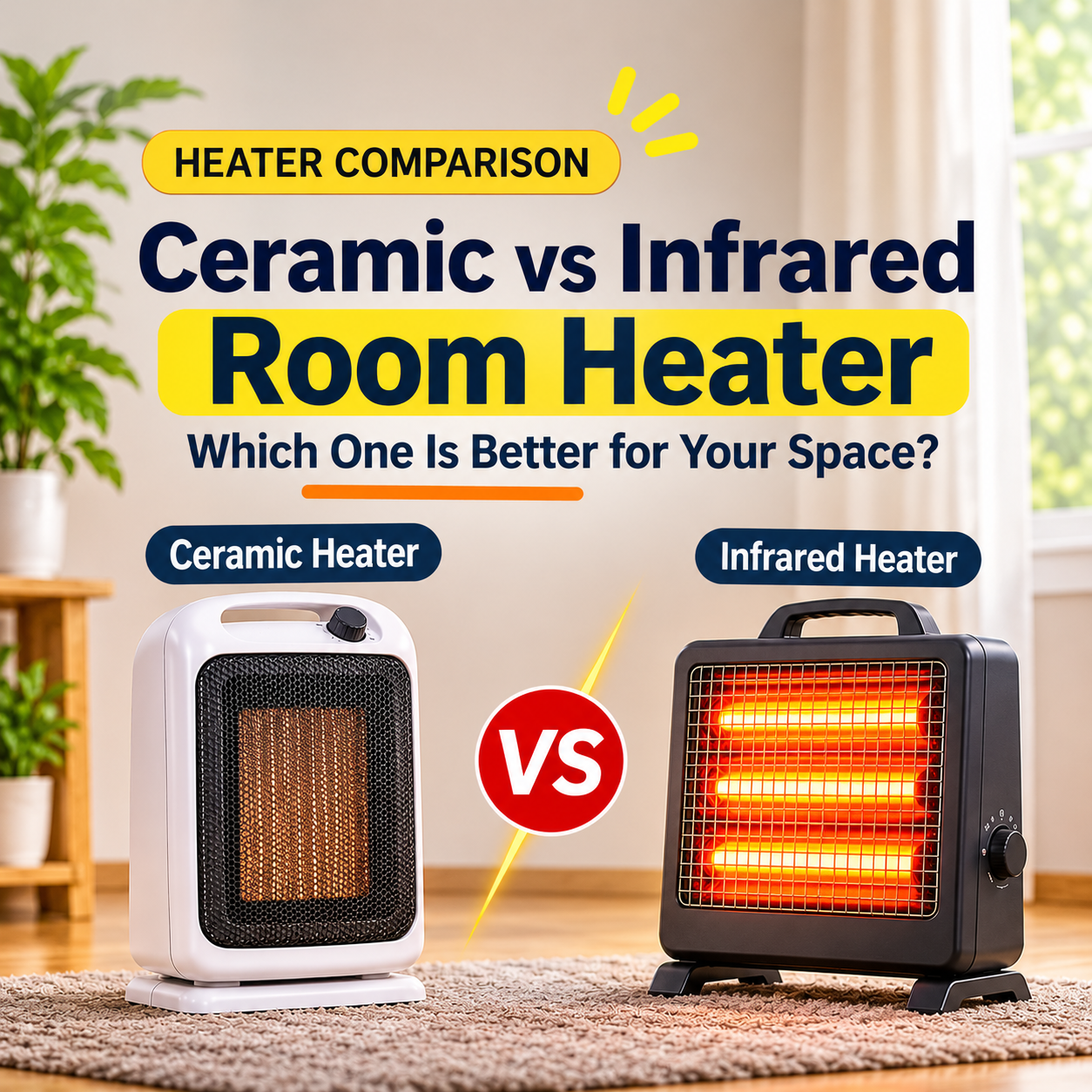
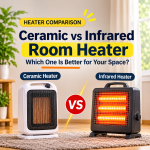
| Ceramic heater | Small rooms, personal warmth | Use the eco or low mode once the room is warm |
| Infrared heater | Warming people, not air | Set lower; you feel warmer at the same air temperature |
How Temperature Affects Running Cost
A heater converts almost all the electricity it uses into heat, so your cost depends on how long it runs at a given wattage. A 1500-watt heater uses 1.5 kWh for each hour at full power. Over four hours that is 6 kWh. Multiply by your price per kWh to see your cost.
The higher you set the thermostat, the longer the heater runs and the more energy it uses, because the room loses heat faster the bigger the gap between inside and outside. Energy agencies often estimate that lowering your target by even one degree can reduce heating use noticeably, though the exact saving depends on your home and climate.
Easy ways to save without feeling colder
- Lower the setting by one degree and wear an extra layer
- Heat only the room you are using and close the door
- Seal draughts around windows and doors
- Use thick curtains and close them at dusk
- Place the heater away from cold external walls only if the manual allows it, and never block it
Humidity, Dampness and Comfort
Temperature and humidity work together. Very dry air, often caused by heaters running all day, can irritate skin, eyes and throats. Cold rooms with high humidity encourage condensation and mould. A comfortable indoor humidity level is often around 40 to 60 percent. A small hygrometer helps, and brief ventilation each day keeps the air fresh. Avoid letting an occupied room drop much below 16 to 18°C for long periods, especially in damp homes.
Safety Tips When Setting Your Heater
- Do not run a heater at maximum constantly without a thermostat or timer
- Keep at least one metre of space between the heater and furniture, curtains or bedding
- Plug the heater directly into a wall socket and avoid extension leads
- Never cover a heater or dry clothes on it
- Choose a model with tip-over and overheat protection
- Do not leave heaters unattended around young children or pets
Common Mistakes to Avoid
- Believing that setting the dial to maximum heats the room faster; it only raises the shut-off point
- Judging the temperature by feel instead of using a thermometer
- Placing the heater next to the thermostat sensor or a draughty window
- Heating an entire home with one small heater
- Leaving the heater on in an empty room
What to Look For in a Heater With Good Temperature Control
- Adjustable or digital thermostat: for an accurate target temperature
- Programmable timer: to automate your daily schedule
- Eco or frost-protection mode: keeps a room above a safe minimum
- Multiple power settings: lets you match output to room size
- Remote control or app: convenient for adjusting without getting up
- Tip-over and overheat protection: essential safety features
- Right wattage for the room: roughly 10 watts per square foot of floor area as a starting point
Frequently Asked Questions
What is the best temperature to set a room heater?
For most living spaces, 20 to 22°C (68 to 72°F) works well. For sleeping, 16 to 19°C (61 to 66°F) is usually more comfortable.
Is 25°C too hot for a room?
For most people sitting indoors, 25°C (77°F) feels warm and can cause drowsiness and dry air. It also increases energy use. It may be acceptable for short periods in a bathroom or for people who feel the cold strongly.
What is the cheapest temperature to run a heater at?
The lowest one you find comfortable. Every degree you avoid adds up, so aim for the bottom of the recommended range and use clothing and blankets to fill the gap.
Is it better to leave a heater on low all day or switch it on and off?
It depends on your home and heater. For short absences, switching off or turning down is usually more efficient. Poorly insulated rooms lose heat quickly, so keeping a gentle background level with a thermostat can help in very cold weather. A timer is the best compromise.
Why does my heater never reach the temperature I set?
The heater may be too small for the room, the room may be draughty or poorly insulated, or the heater’s own sensor may read differently from your thermometer. Try a higher wattage or seal draughts.
What temperature should I set for a baby’s room?
Common guidance is 16 to 20°C (61 to 68°F). Use a room thermometer and consult your health professional for personal advice.
Does a lower setting damage a heater?
No. Heaters are designed to cycle on and off at any thermostat setting, so a lower setting causes no harm.
Final Verdict
The best room heater temperature setting is the lowest one that keeps you comfortable and healthy: about 20 to 22°C (68 to 72°F) in living areas and offices, and 16 to 19°C (61 to 66°F) in bedrooms at night. Combine that with an accurate thermostat, a timer and a simple thermometer, and you can enjoy a warm home while keeping your energy use sensible.