A room heater keeps you warm, but it can quickly turn into the biggest part of your winter electricity bill. The good news is that you do not have to sit in the cold to pay less. With a few smart habits and small home improvements, you can cut your heating costs a lot. This guide shows you how to reduce your room heater electricity bill with practical steps, from free habit changes to longer-term upgrades.
Why Room Heaters Increase Your Electricity Bill
A typical portable heater uses between about 500 and 2000 watts. Because its whole job is to make heat, it draws that power continuously whenever it is working at full output. For example, a 1500 W heater running for 6 hours uses 9 kWh in a day. How much it costs depends on your electricity rate, but the heater’s energy use adds up quickly over a month.
Your bill depends on four things: the heater’s wattage, how many hours it runs, how much heat your room loses, and your tariff. You can reduce the first three, and sometimes the fourth.
How Much Can You Realistically Save?
The chart below shows an illustrative example of how combining several simple measures can lower a monthly heating bill. Your actual savings depend on your home, climate, and habits, so treat the figures as an example and not a promise.

Quick Wins vs Longer-Term Upgrades

15 Ways to Reduce Your Room Heater Electricity Bill
1. Use a Heater With a Thermostat
A thermostat switches the heater off when the room reaches your chosen temperature and back on when it cools. This stops the heater from using full power all the time and is one of the most effective savings.
2. Use a Timer or Smart Plug
Set the heater to warm the room 30 to 60 minutes before you need it, then switch it off automatically. A timer also prevents you from forgetting the heater on. If you use a smart plug, make sure it is rated for the heater’s power, since many heaters draw a high current. Check the plug’s rating before use.
3. Heat Only the Room You Are Using
Close the doors and heat one room instead of the whole home. A smaller space reaches the target temperature faster and holds it with less energy.
4. Match the Heater to the Room Size
A common starting point is about 10 watts per square foot of floor area for a standard room. An undersized heater runs constantly and still feels cold, while a heater that is far too large may cause uneven heating and waste energy.
5. Stop Heat From Escaping

- Seal gaps around windows and doors with weather stripping or draught excluders.
- Use thick or thermal-lined curtains and close them at dusk.
- Put a rug on bare floors, which feel cold and pull heat from the room.
- Consider window insulation film for single-glazed windows.
- If you can, insulate the loft or roof and walls, which are major heat-loss areas.
6. Position the Heater Wisely
Place the heater on the cold side of the room, near a window or outside wall, with clear space in front. Do not put it behind furniture or curtains, which block the heat. Keep at least 3 feet (about 1 metre) clear of anything flammable.
7. Use Spot Heating When You Sit Still
If you are working at a desk or relaxing on a sofa, a small radiant heater aimed at you can be cheaper than warming the whole room.
8. Keep the Heater Clean
Dust on vents and elements blocks airflow and makes the heater less effective. Unplug the heater, let it cool, and vacuum the grille regularly.
9. Wear Warm Clothing and Use Blankets
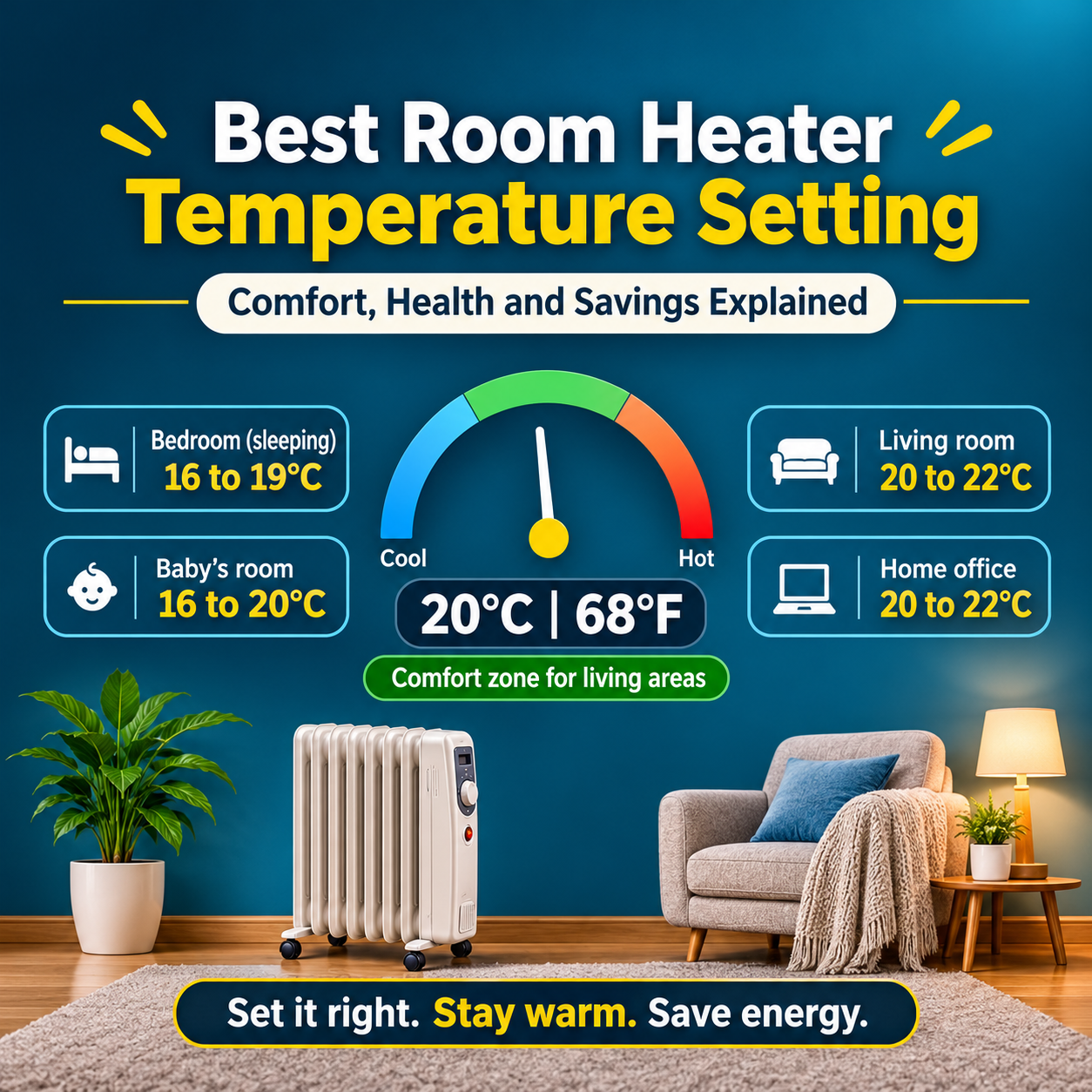
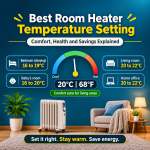
Layers, thermal clothing, slippers, and a throw blanket let you set the thermostat a bit lower without feeling cold. Each degree you lower the setting can reduce energy use, so choose a comfortable temperature rather than the maximum.
10. Let the Sun Help
On sunny days, open the curtains to let in free solar heat, then close them as the sun goes down to keep the warmth in.
11. Use a Plug-In Energy Meter
A plug-in energy meter shows how much electricity your heater uses in real time, so you can test which settings and habits save the most.
12. Check Your Electricity Tariff
Some suppliers have cheaper rates at certain times of day. If yours does, use the timer to pre-heat when electricity is cheaper. Compare tariffs from time to time.
13. Choose the Right Type of Heater
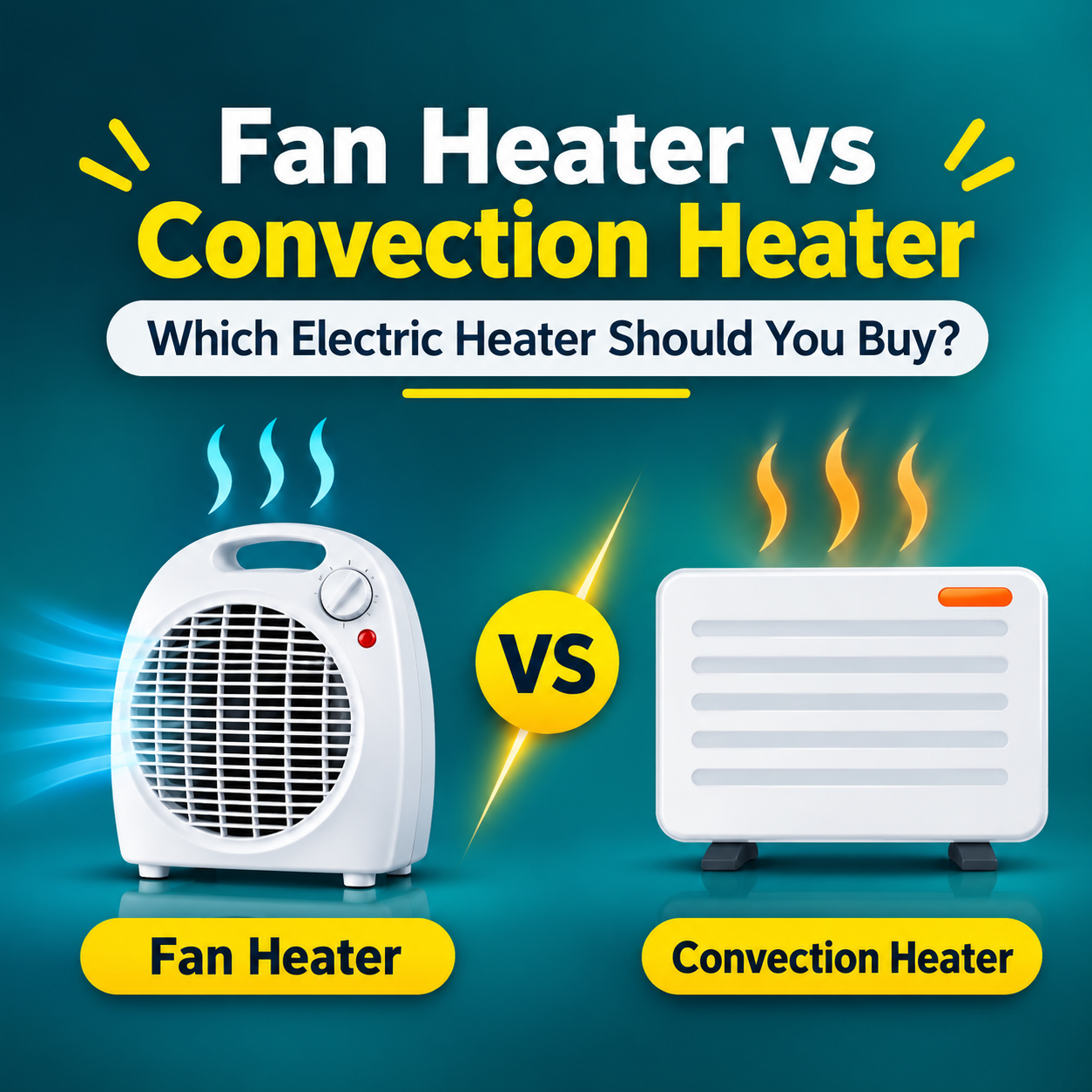
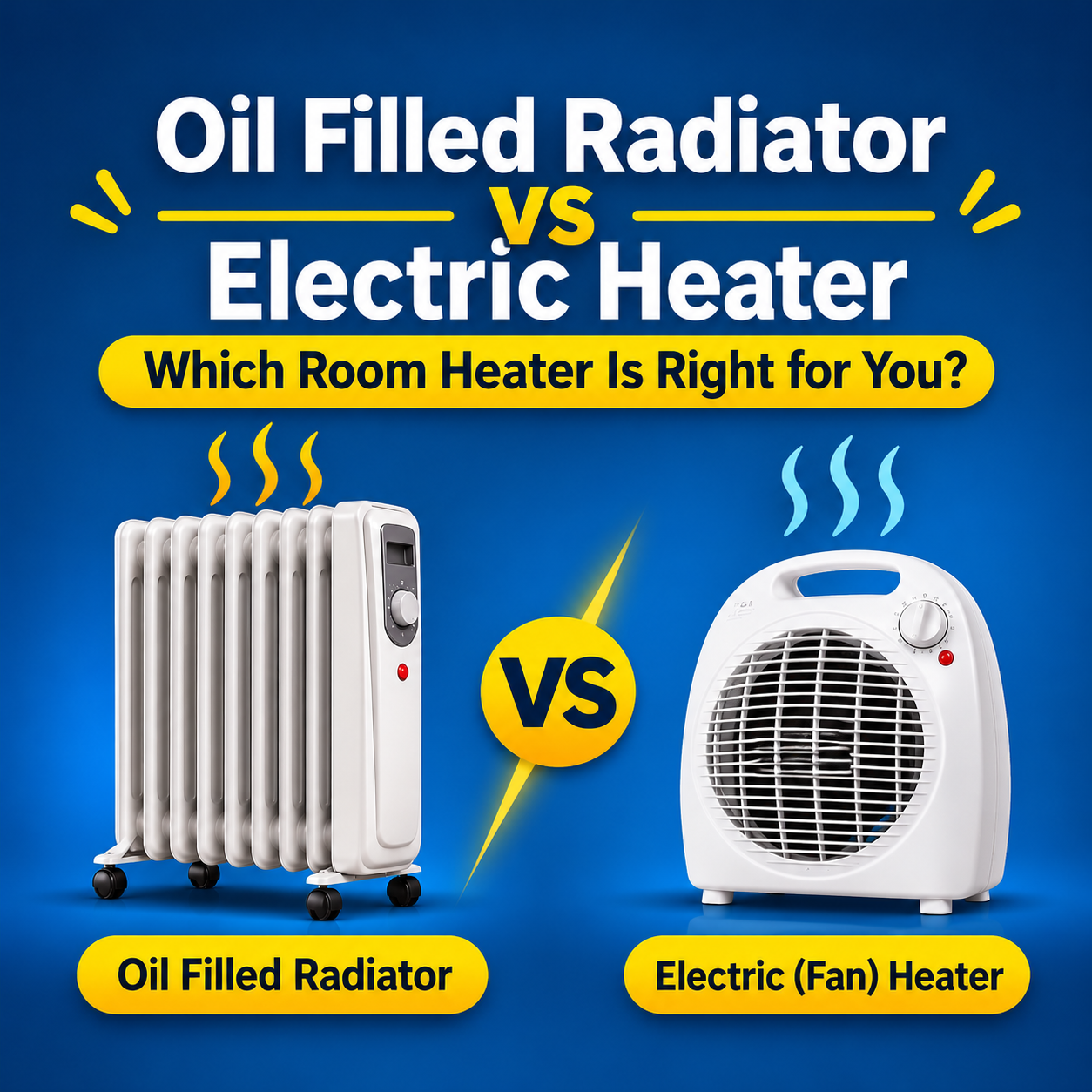
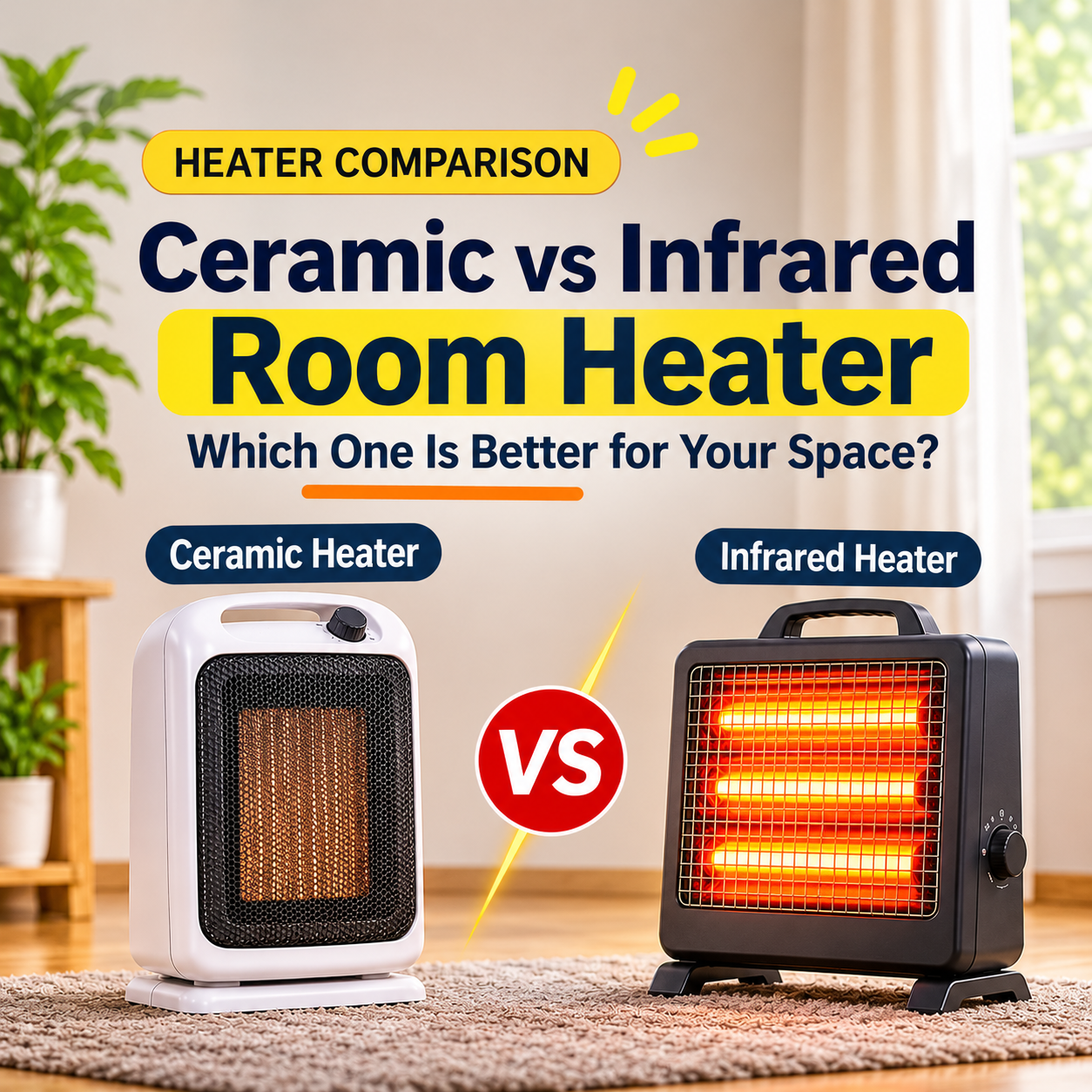
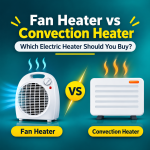
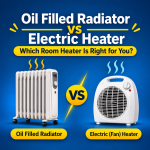
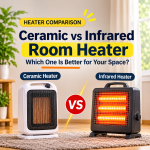
At the same wattage, electric resistance heaters use about the same electricity. The best choice is the one that suits how you use the room. An oil-filled radiator holds heat after it switches off and suits longer use, a fan heater warms up quickly for short bursts, and a radiant heater suits spot heating.
14. Consider a More Efficient Heating Option
A heat pump or inverter air conditioner moves heat instead of simply making it, so it can deliver more warmth for each unit of electricity. It costs more to buy, but it can reduce your bill if you heat for many hours a day.
15. Do Not Leave the Heater on When No One Is There
Switch the heater off when you leave the room or go to bed, unless the manufacturer says it is designed for unattended use. Heating an empty room wastes money and increases safety risk.
A Smart Daily Heating Routine

Myths About Heater Bills

Safety While Saving Energy
- Never cover the heater or dry clothes on it.
- Plug the heater directly into a wall socket, not an extension lead or power strip.
- Never use a heater in a damp bathroom.
- Do not put curtains too close to the heater when trying to retain heat.
- Keep children and pets away.
What to Look for in a Heater That Helps Cut Your Bill
If you are buying a new heater, these features help you control usage and save money:
- Accurate adjustable thermostat: holds the room at your target temperature.
- Multiple power settings: lets you reduce the heat once the room is warm.
- Timer or programmable schedule: avoids wasted hours of heating.
- Eco or auto mode: adjusts output to maintain the temperature.
- Appropriate wattage: sized for your room, not too big or too small.
- Heat retention: oil-filled designs keep warmth after the element cycles off.
- Remote control or app control: convenient for pre-heating and switching off.
- Safety features: tip-over and overheat protection are essential.
Frequently Asked Questions
What is the cheapest way to heat a room?
Heat only the room you are in, use a heater with a thermostat and timer, keep heat in with draught-proofing and curtains, and use warm clothing. A heat pump can be cheaper to run for long periods.
Does leaving a heater on all day save money?
For electric resistance heaters, no. The heater keeps drawing power whenever it is on, so it is usually cheaper to heat only when needed with a thermostat and timer.
Is it cheaper to run a heater on a low setting?
A lower setting uses less power per hour, but it may take longer to warm the room. The best approach is to use the high setting to warm up quickly and then a low setting or the thermostat to maintain the temperature.
Do energy-saving heaters really save electricity?
If two heaters give the same output in watts, they use the same electricity. Savings come from better controls such as a thermostat and timer, and from how you use the heater.
How much does a 1500 W heater cost to run?
Multiply 1.5 kW by your hours of use and then by your price per kWh. At an example rate of $0.15 per kWh, it costs about $0.23 per hour at full power.
Can insulation really lower my heater bill?
Yes. When less heat escapes, the heater runs for shorter periods. Sealing draughts and using thick curtains are some of the cheapest improvements.
Final Thoughts
Reducing your room heater electricity bill is not about enduring the cold. It is about using the heater smartly: pick the right size, use a thermostat and timer, heat only the room you use, keep the heat in, and wear warm layers. Start with the free quick wins, measure the difference with a plug-in energy meter, and invest in insulation or a more efficient heating system when you can. Small changes add up to a warmer home and a lower bill all winter.