


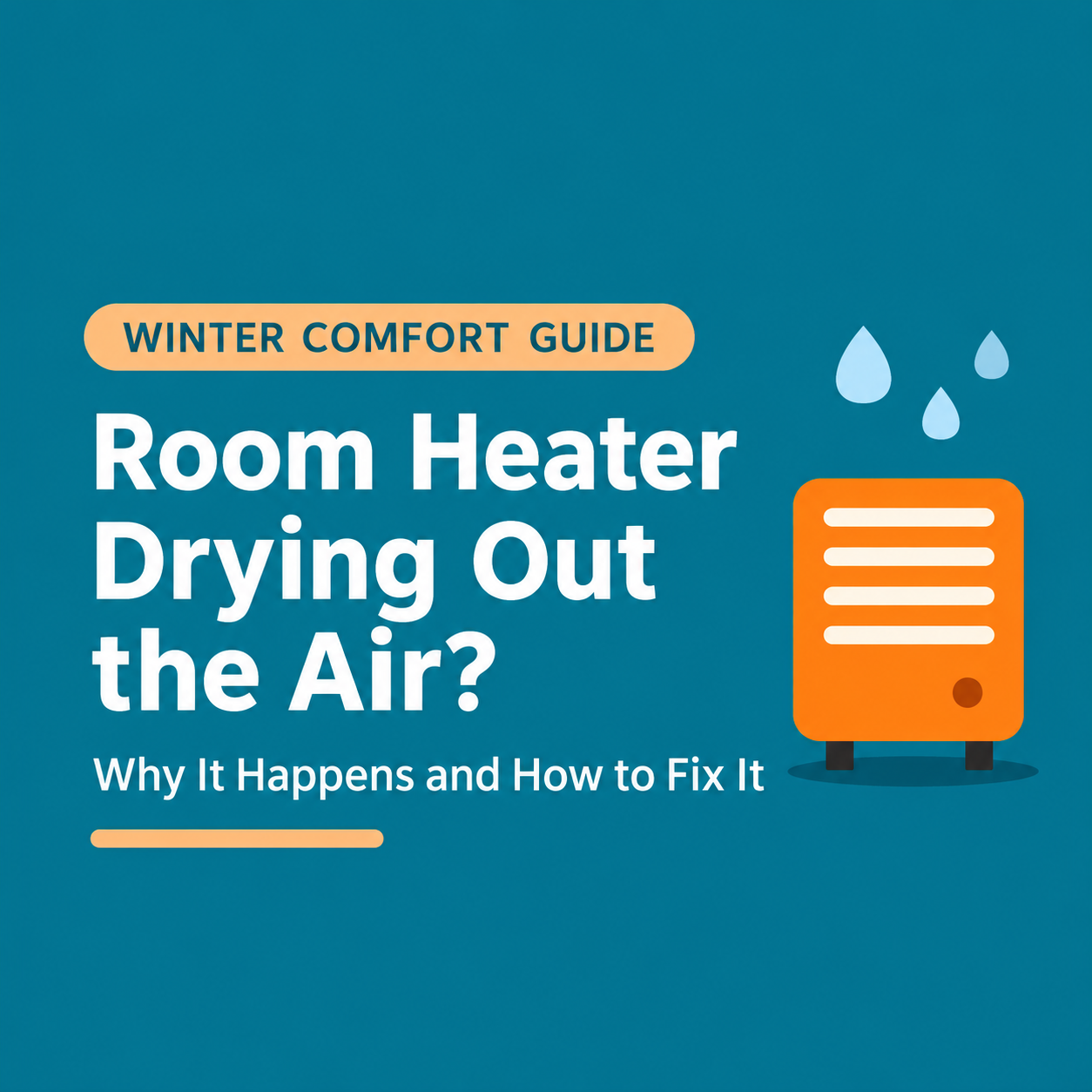
If your skin feels tight, your throat is scratchy, and you keep getting static shocks every winter, your room heater may be drying out the air. It is one of the most common complaints in cold weather, and it is easy to fix once you understand what is really happening.
This guide explains why heaters make the air feel dry, which signs to watch for, how to measure humidity, and the practical steps that bring comfort back, including how to choose and place a heater and a humidifier.
Does a Room Heater Really Dry Out the Air?
Strictly speaking, an electric room heater does not remove moisture from the air. It does not absorb water, and it does not burn it off. What it does is raise the air temperature. Warm air can hold much more water vapour than cold air, so the same amount of moisture becomes a smaller percentage of what the air could hold. This percentage is called relative humidity, and it is what drops when you heat a room.
There is a second effect as well. In winter, the outdoor air that leaks into your home is already cold and low in moisture. When you heat it, the indoor air becomes very dry, because there is little moisture to begin with.

Signs Your Indoor Air Is Too Dry

You may notice dry or itchy skin, a scratchy throat, a dry nose, irritated eyes, chapped lips, more static electricity, and cracking in wooden furniture or wilting house plants. If you have a long-term health condition or the symptoms are severe, speak to a doctor rather than relying on home fixes alone.
What Is the Ideal Humidity Level at Home?

A comfortable indoor relative humidity for most people is roughly 30 to 50 percent. Below this the air feels dry, and above about 60 percent it can encourage mould and dust mites. A small digital hygrometer shows your actual humidity, so you do not have to guess.
Which Heaters Dry the Air Most?
All electric heaters lower relative humidity by raising temperature, so none of them truly “adds” moisture. However, they can feel different in use:
| Heater Type | How It Feels | Notes on Dryness |
|---|---|---|
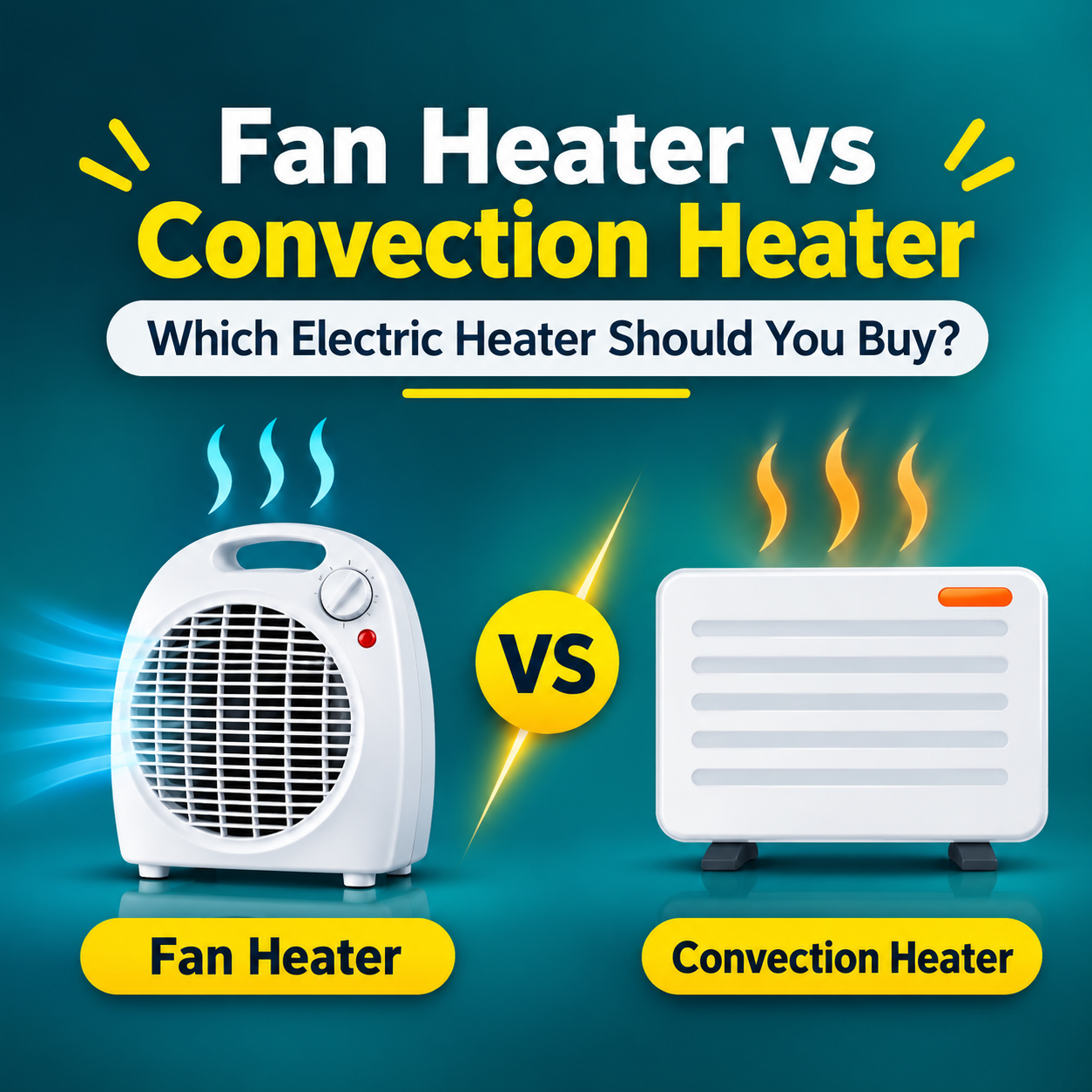
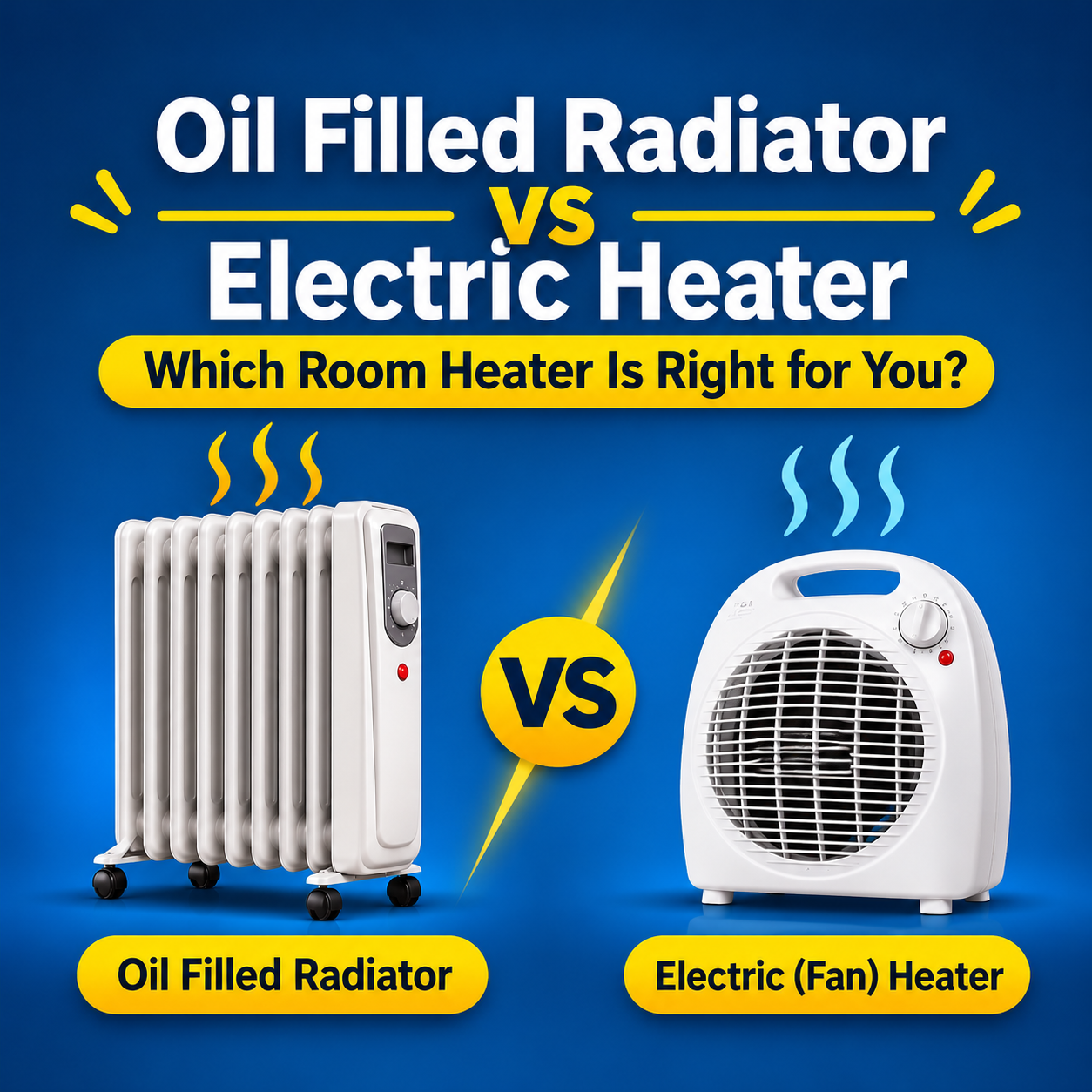
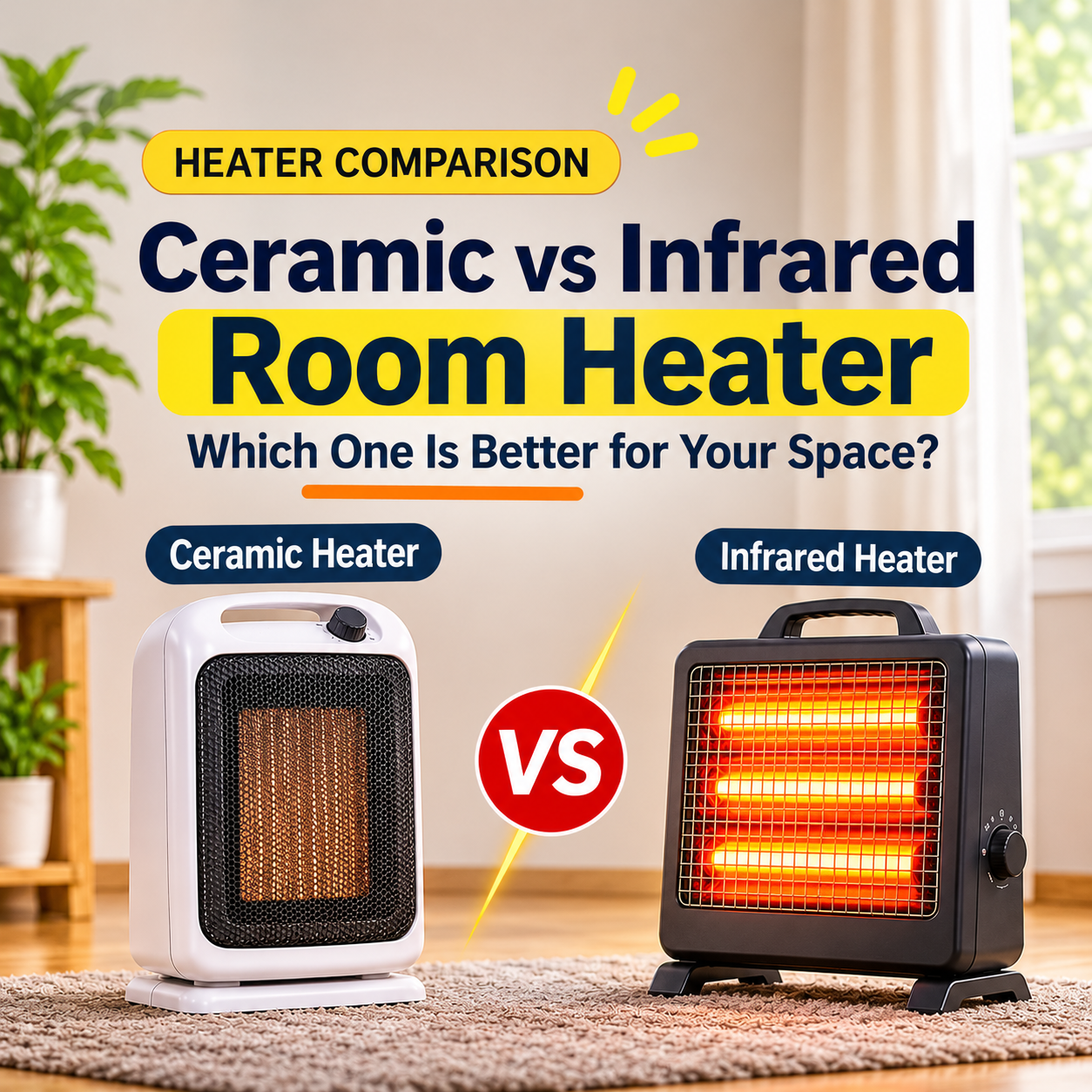
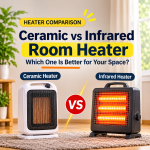
| Fan / ceramic heater | Fast, blowing warm air | The moving air can feel especially drying on skin and eyes |
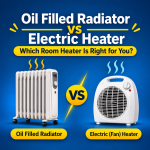
| Oil-filled radiator | Gentle, steady heat | Quiet and no direct air blast, so it often feels less drying |
| Convection / panel heater | Even, gentle warmth | Similar to oil-filled, and works well with a thermostat |
| Infrared / radiant heater | Warms people and objects directly | Warms you without heating all the air, though it is only suited to spot heating |
| Gas / kerosene heater | Strong heat | Can add moisture and combustion fumes, and needs ventilation and a carbon monoxide alarm |
How to Stop Your Heater From Drying Out the Air

1. Use a Humidifier
A humidifier is the most effective fix. Choose a size that matches your room, fill it with clean water as directed, and keep your humidity between about 30 and 50 percent. A humidifier with a built-in humidistat switches off automatically when the room reaches your target.

2. Keep a Hygrometer in the Room
A hygrometer shows the real humidity, so you can adjust your heater and humidifier with confidence and avoid making the room too damp.
3. Lower the Thermostat Slightly
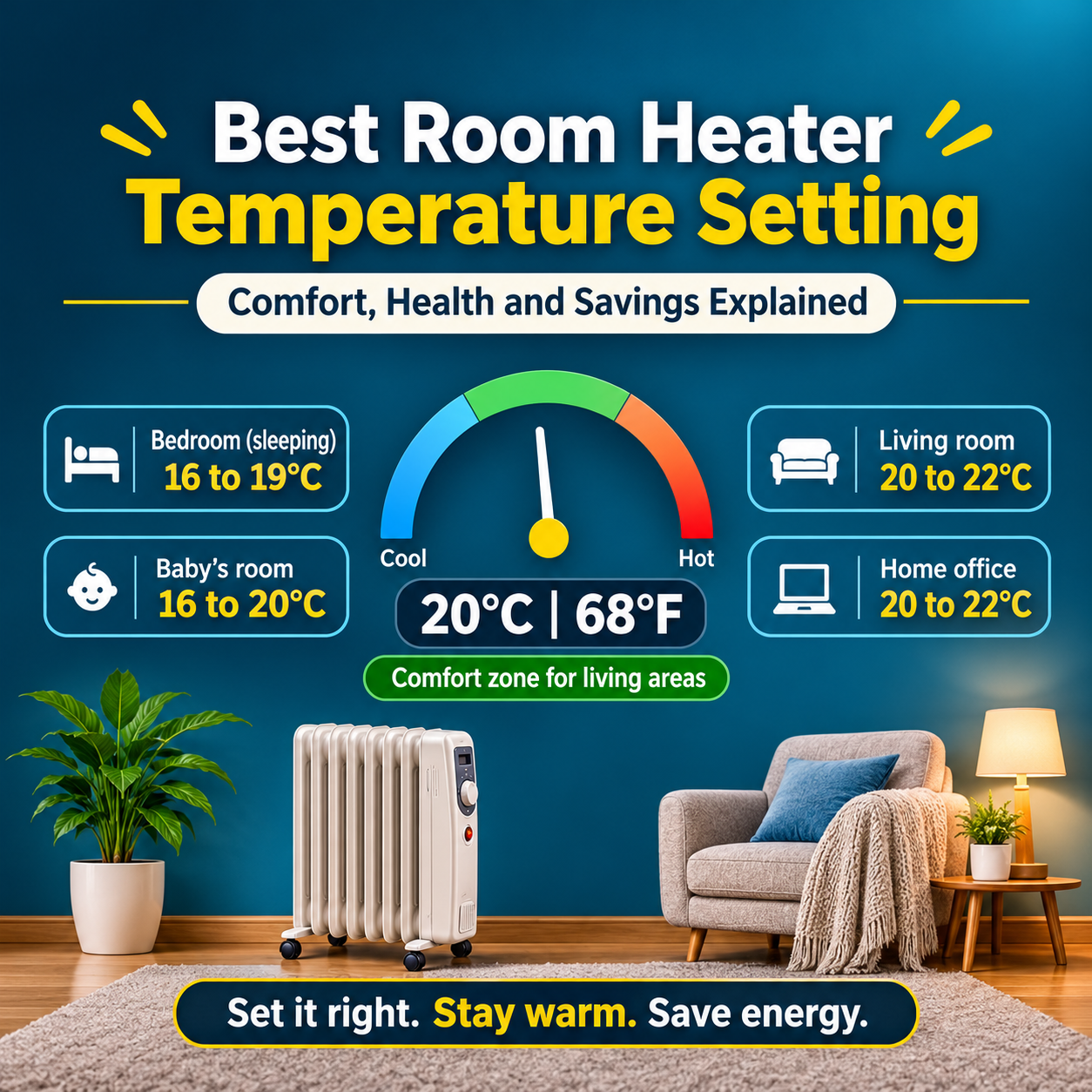
Every degree you lower the temperature raises the relative humidity a little. Wearing warmer clothes and using blankets lets you keep the thermostat modest, which also saves electricity.
4. Use a Thermostat or Timer
A heater that cycles on and off instead of running flat out dries the air less and uses less energy.
5. Add Moisture Naturally
- Place a bowl of water in the room, away from the heater and cords.
- Keep a few healthy houseplants, which release moisture through their leaves.
- Air-dry washing on a rack in a well-ventilated room, but never on the heater itself.
- Leave the bathroom door open after a shower if the bathroom has good ventilation.
These methods help a little, but they are not as strong or controllable as a humidifier.
6. Heat Only the Room You Are Using
Close the door of the room and do not overheat unused spaces. A smaller air volume reaches the right temperature faster, so the heater runs less.
7. Stop Cold Air From Leaking In
Seal draughts around windows and doors. Less cold, dry outdoor air entering the room means less dry air to heat.
8. Take Care of Your Skin and Body
- Drink enough water through the day.
- Use moisturiser and lip balm.
- Take shorter, lukewarm showers instead of long hot ones.
- Use saline nasal spray or eye drops if they suit you, and ask a pharmacist if you are unsure.
Humidifier Safety and Care
- Clean the humidifier regularly as directed in the manual, since dirty tanks can spread bacteria and mould.
- Use the type of water the manufacturer recommends, as some models are best with distilled or demineralised water.
- Do not let humidity go above about 50 to 60 percent.
- Keep the humidifier on a stable, waterproof surface, away from the heater, cords, and bedding.
- Keep both appliances out of reach of children and pets.
Common Mistakes That Make Dry Air Worse
- Running the heater at maximum all day.
- Sitting directly in front of a fan heater.
- Drying clothes on or near the heater, which is a fire risk and does not fix dryness safely.
- Putting a humidifier too close to the heater or on a wobbly surface.
- Letting the humidity climb too high and causing damp or mould.
What to Look for in a Heater If Dry Air Is a Problem
If you are shopping for a new heater, certain features help keep the air more comfortable:
- Adjustable thermostat: maintains a steady temperature instead of overheating the room.
- Timer: lets you warm the room before use, and not run it all day.
- Gentle heat type: oil-filled and convection heaters often feel less drying than strong fan models.
- Adjustable power settings: let you use low power once the room is warm.
- Quiet operation: helpful for living rooms and bedrooms.
- Built-in humidifier or water tray (on some models): a small bonus, though a separate humidifier is usually more effective.
- Safety features: tip-over and overheat protection are essential.
Frequently Asked Questions
Does a room heater remove moisture from the air?
No. It raises the temperature, which lowers the relative humidity. The actual amount of water in the air stays the same unless it is ventilated away.
Is an oil-filled heater less drying than a fan heater?
All electric heaters reduce relative humidity in the same way, but a fan heater blows air across your skin and eyes, which can feel drier. Oil-filled heaters often feel gentler.
Does putting a bowl of water near the heater help?
It helps a little, but not much. Keep it away from the heater and cords, and use a humidifier if you need a noticeable effect.
What humidity level should I aim for?
Roughly 30 to 50 percent relative humidity is comfortable for most homes. Use a hygrometer to check.
Is dry air from heaters harmful?
It is usually just uncomfortable, but it can irritate the skin, nose, throat, and eyes, and may be worse for people with certain conditions. If you are concerned about your health, talk to a doctor.
Can I dry clothes on a heater to add humidity?
No. Placing clothes on a heater is a fire risk. Use a drying rack placed safely away from it instead.
Does a heater make the air dirty?
A clean heater does not. A dusty heater, however, can burn dust and cause a smell, so clean it regularly.
Final Thoughts
A room heater does not remove moisture, but heating cold winter air makes the relative humidity drop, which is why your home can feel so dry. The fix is simple: keep the temperature moderate, use a thermostat and timer, add moisture with a humidifier, check the level with a hygrometer, and look after your skin. With these steps you can enjoy a warm room without the dry throat, itchy skin, and static shocks.