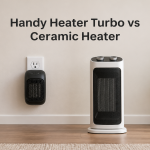
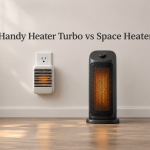

Handy Heater Turbo vs Ceramic Heater: Which One Should You Buy?
When the temperature drops, a space heater is often the quickest way to feel comfortable again. Two names keep coming up in searches: the Handy Heater Turbo, a compact heater advertised as a fast, small and cheap way to warm up, and the classic ceramic heater that you will find in most hardware and home stores.
The two are not as different as the marketing suggests, and that is exactly why so many buyers get confused. In this guide you will learn how each type works, how they compare on heat output, running cost, safety, noise and portability, and which one fits your room and your budget.
Quick Verdict
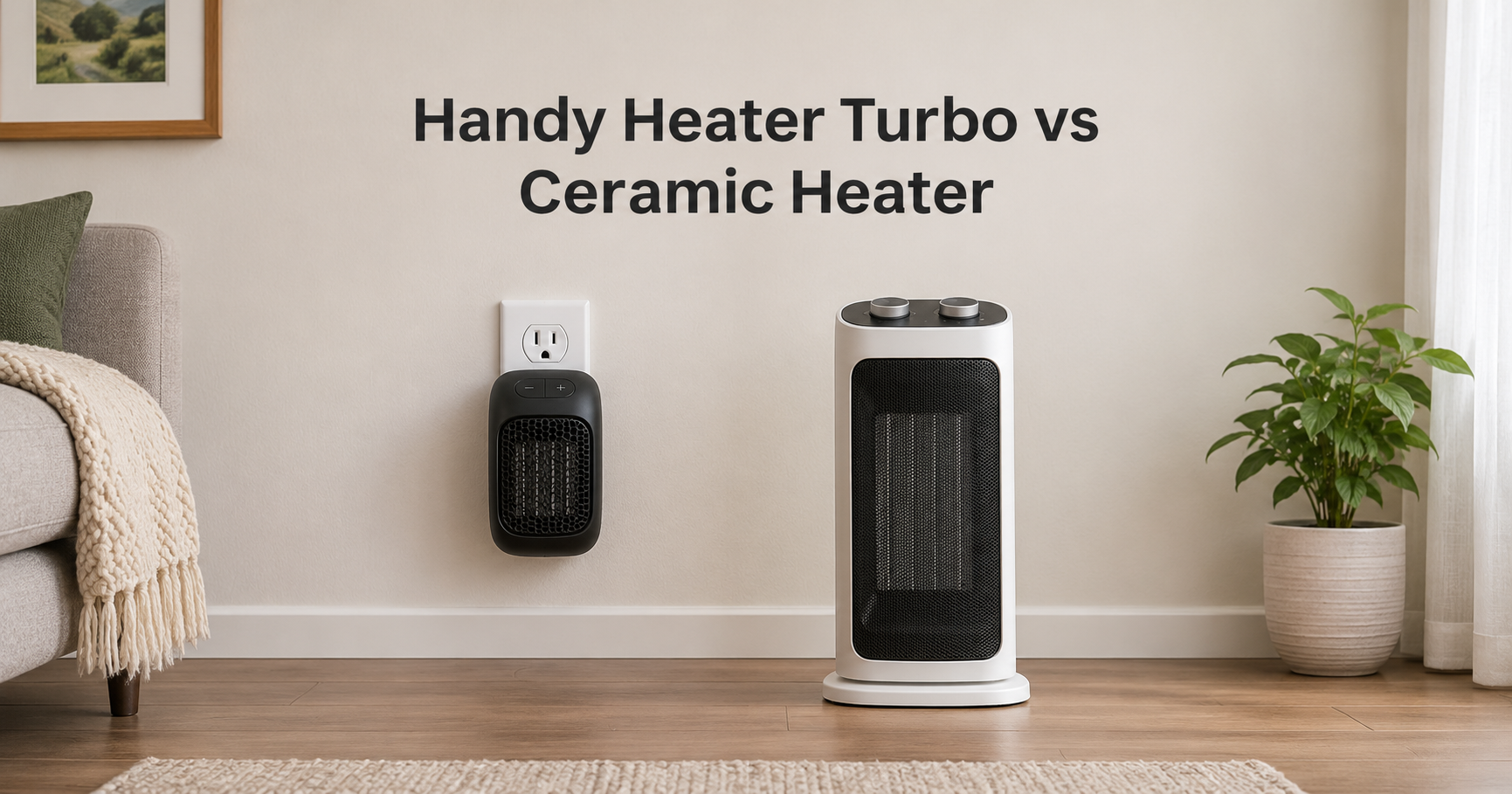
Choose a compact Handy Heater Turbo style unit for a desk, a bathroom or a very small room where you want fast, short bursts of warmth. Choose a full-size ceramic heater with a thermostat, tip-over switch and timer for a bedroom, home office or any space you heat for hours.
What Is a Handy Heater Turbo?
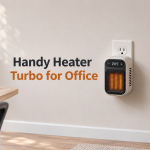
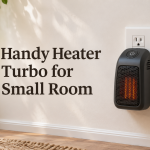
The Handy Heater Turbo belongs to the family of small, portable heaters that are sold on a simple promise: plug it in, and a small room gets warm in minutes. These units are usually compact, lightweight, and built around a small fan that pushes air across a heating element. Many designs of this kind use a ceramic element inside, which means the label “turbo” describes the marketing and the fan more than a completely different heating technology.
Specifications differ between sellers and versions, so always read the wattage and safety markings printed on the product or its box before you buy. The wattage tells you the real heating power, and it is the single most useful number when you compare any two heaters.
What Is a Ceramic Heater?
A ceramic heater uses small ceramic plates, called PTC elements, as its heat source. PTC stands for Positive Temperature Coefficient. In simple terms, the ceramic conducts less electricity as it gets hotter, so the element naturally limits its own temperature. This is one reason ceramic heaters have a good safety reputation compared to older heaters with exposed red-hot coils.
The ceramic plates warm aluminum fins, and a fan blows room air across those fins to carry the warmth into the room. Ceramic models come in many shapes, from tiny desktop units to tall tower heaters with oscillation, remote controls, digital thermostats and timers.
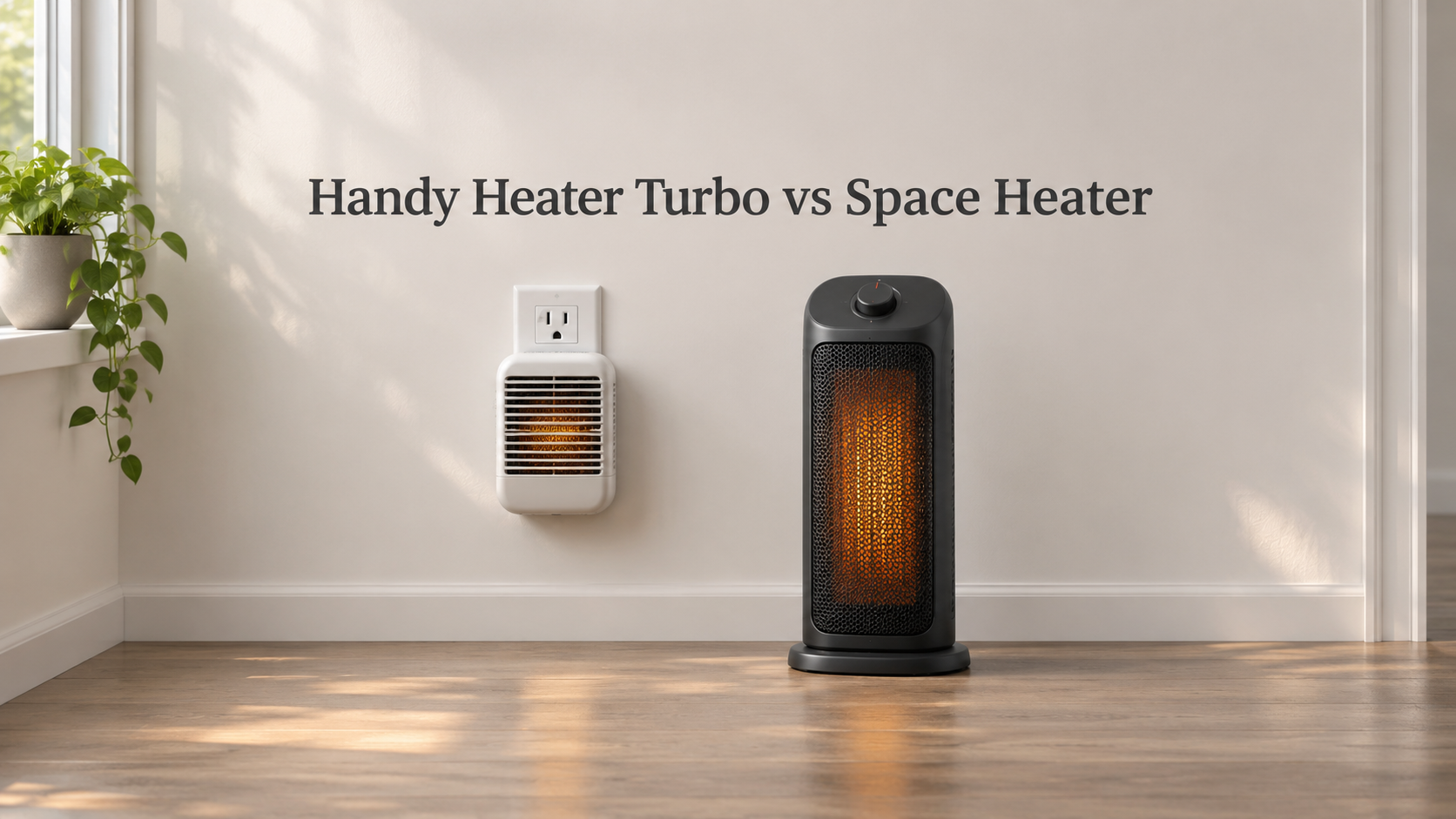
Handy Heater Turbo vs Ceramic Heater: Side-by-Side Comparison
The table below compares a typical compact turbo-style heater with a typical full-size ceramic heater. Exact numbers change from model to model, so treat them as a general guide and check the label of the specific product you are considering.
| Feature | Compact Turbo-Style Heater | Full-Size Ceramic Heater |
|---|---|---|
| Typical power | Lower wattage, often a few hundred to around 1000 W | Commonly up to 1500 W with multiple settings |
| Best room size | Desk, bathroom, small personal space | Bedroom, office, small to medium rooms |
| Warm-up feel | Fast warmth close to the unit | Fast warmth, plus better room coverage |
| Controls | Often basic, with few settings | Thermostat, timer, oscillation and remote on many models |
| Safety features | Varies by version, so check the label | Tip-over and overheat protection are common on reputable models |
| Portability | Excellent, small and light | Good, but larger and heavier |
| Running cost per hour | Lower, because the wattage is lower | Higher at full power, adjustable on lower settings |
| Noise | Small fans can sound buzzy | Generally moderate, with quieter modes on better models |
| Best for | Short bursts of spot heating | Longer heating of a whole room |
Heat Output and Room Coverage
Heat output depends on wattage, and wattage is the same measure for both types of heater. A common rule of thumb is about 10 watts of heating power for every square foot of floor area. By that rule, a 1500 W heater suits a room of roughly 150 square feet, and a 500 W unit suits something closer to 50 square feet.
This is where compact turbo-style heaters show their limits. They feel hot when you sit right next to them, but a low-wattage unit simply cannot raise the temperature of a large or drafty room. A full-size ceramic heater with more power and a wider airflow pattern will do a far better job in a bedroom or living space.
One more useful conversion: one watt equals about 3.41 BTU per hour. A 1500 W heater therefore produces about 5,100 BTU per hour, no matter what the box says about turbo power.
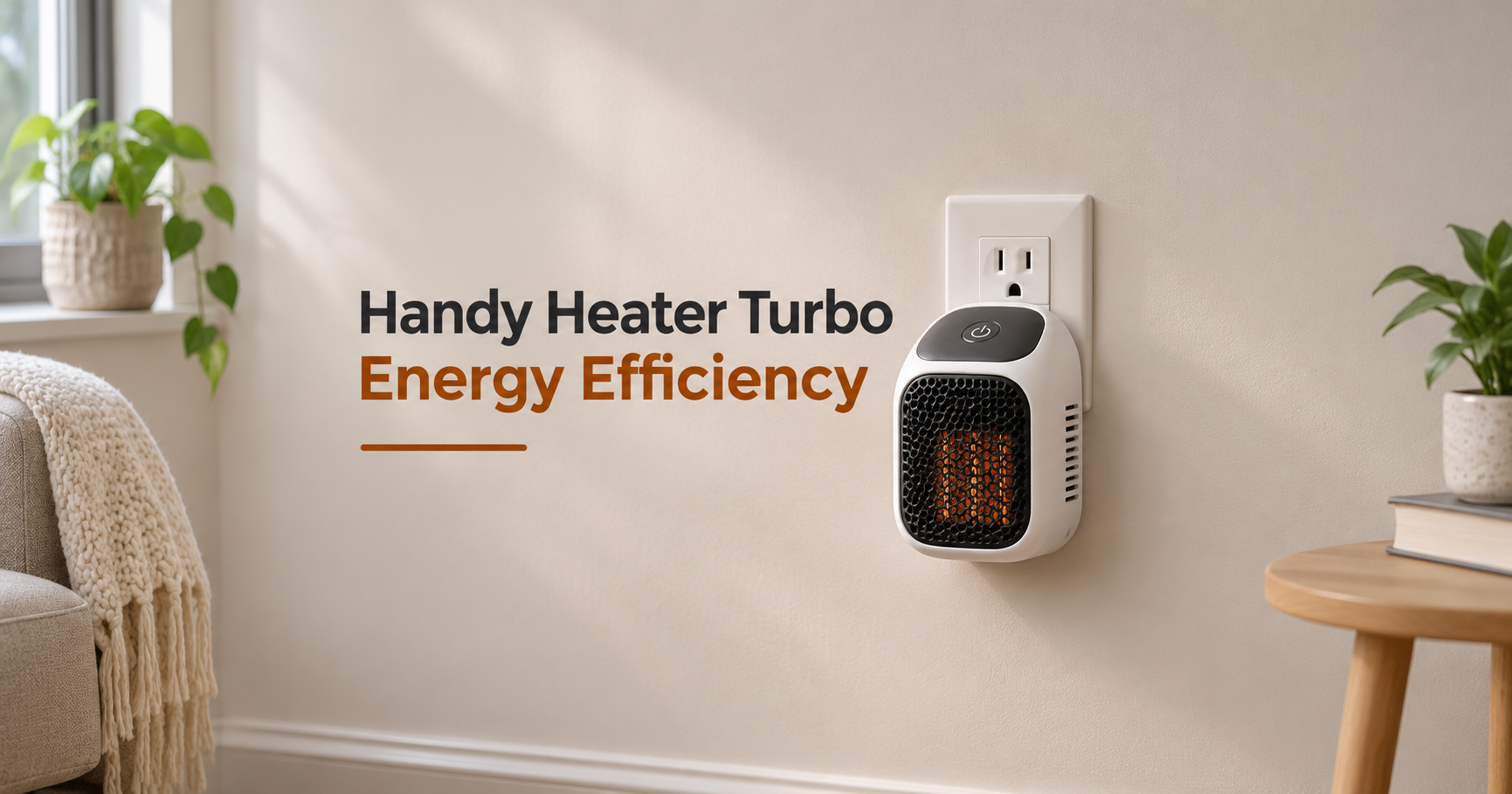
Energy Efficiency and Running Costs
Here is the fact that surprises many shoppers: virtually all of the electricity used by an electric space heater ends up as heat in your room. That means a ceramic heater and a turbo-style heater of the same wattage give you almost exactly the same amount of heat for the same electricity. Any advertising that claims a small plug-in heater cuts your electric bill by a huge percentage compared with another electric heater should be treated with caution.
What actually changes your bill is the wattage you run and the number of hours you run it. You can calculate the cost yourself with a simple formula:
Cost per hour = (Watts ÷ 1000) × your price per kWh
At an example rate of $0.16 per kWh, a 1500 W heater costs about $0.24 per hour, or around $1.92 for eight hours. A 500 W unit costs about $0.08 per hour. A compact heater can therefore be cheaper to run, but only because it uses less power, and it also heats a smaller area. Because ceramic heaters usually have thermostats, they can cycle off once the room is warm, which helps cut real-world usage.
Safety: The Most Important Comparison
Space heaters are a leading cause of home heating fires, so safety should be the first thing you check, ahead of price or looks. Whichever heater you choose, look for these features:
- Tip-over protection: the heater shuts off automatically if it is knocked over.
- Overheat protection: an internal sensor cuts power if the unit gets too hot.
- A recognized safety listing: look for a mark from an independent testing lab, such as UL or ETL, printed on the product.
- A cool-touch housing: especially important in homes with children or pets.
- A thick, undamaged power cord and plug.
Ceramic heaters from reputable brands usually include these protections. With any compact or heavily advertised heater, confirm the features on the actual label instead of relying on the advertisement. If a product lists no safety markings at all, do not buy it.
Safety Rules for Every Space Heater
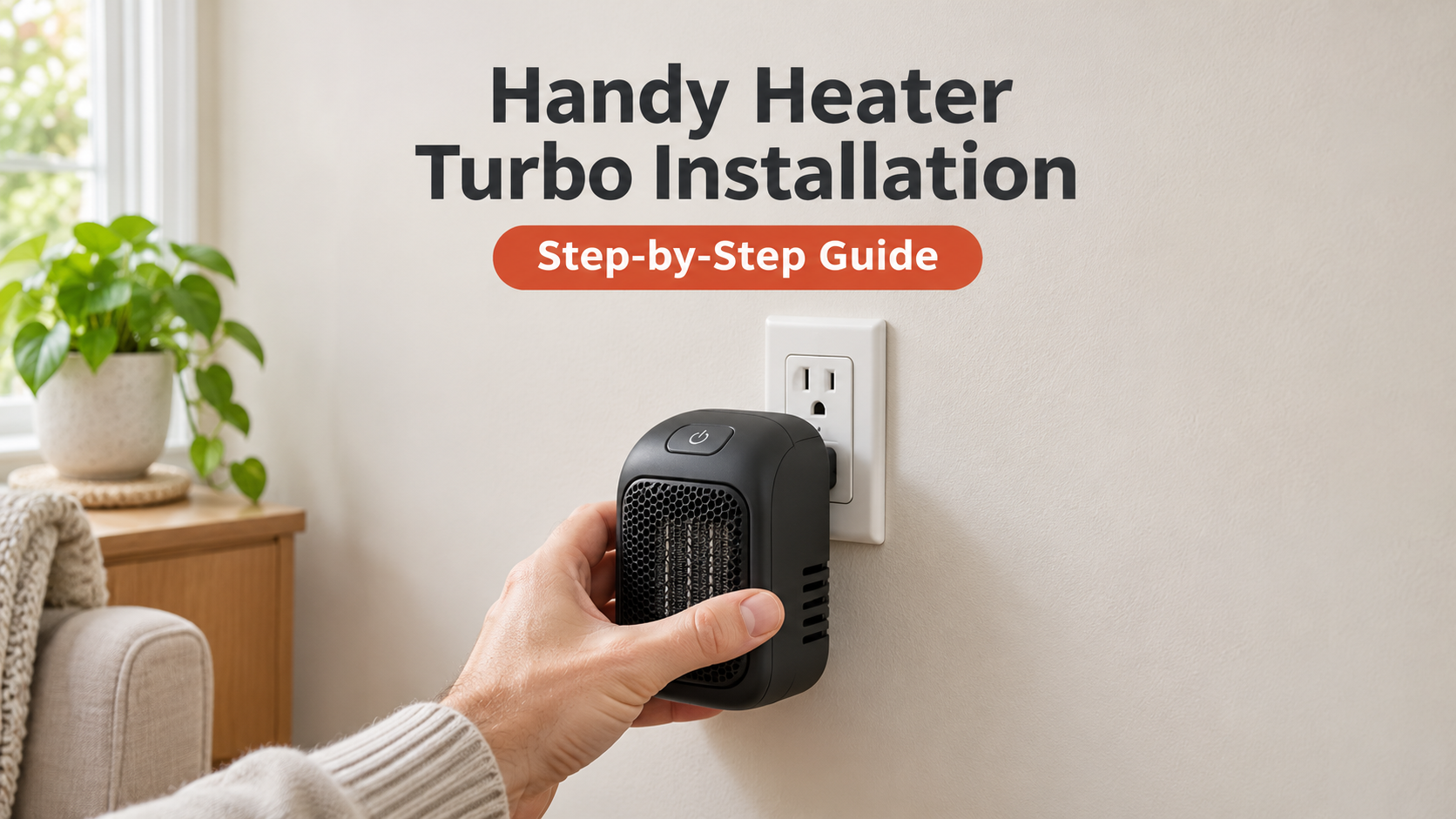
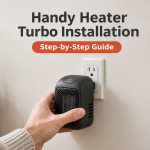
Plug the heater directly into a wall outlet and avoid extension cords and power strips. Keep it at least three feet away from curtains, bedding, furniture and paper. Place it on a flat, hard surface. Never leave it running while you sleep or when you leave the house, and never cover it.
Noise, Portability and Design
Noise: Both types use a fan, so both make some sound. Very small fans often run at a higher pitch, which some people find irritating in a quiet bedroom or office. Larger ceramic models frequently offer a low-noise setting, which makes them easier to live with.
Portability: This is where the compact turbo-style heater wins clearly. It is small, light and easy to move from your desk to the bathroom to the sofa. A tower ceramic heater takes more floor space, but it usually comes with a carrying handle and a stable base.
Features: Full-size ceramic heaters usually offer far more convenience, such as adjustable thermostats, timers, oscillation and remote controls. These features help you heat a room more evenly and avoid running the heater longer than needed.
Common Myths About Small Turbo Heaters
- Myth: A tiny heater can warm a whole house. A low-wattage unit warms the area around it. It cannot replace central heating.
- Myth: “Turbo” means more efficient. Electric resistance heating converts nearly all electricity to heat, so efficiency is about the same across electric heater types. Wattage decides the output.
- Myth: Small heaters cut your bill by 90 percent. They only save money if you heat a small space instead of a large one, or if you lower your central heating at the same time.
- Myth: Ceramic is automatically safe. Ceramic elements self-regulate, but you still need tip-over protection, overheat protection and safe placement.
Which One Should You Choose?
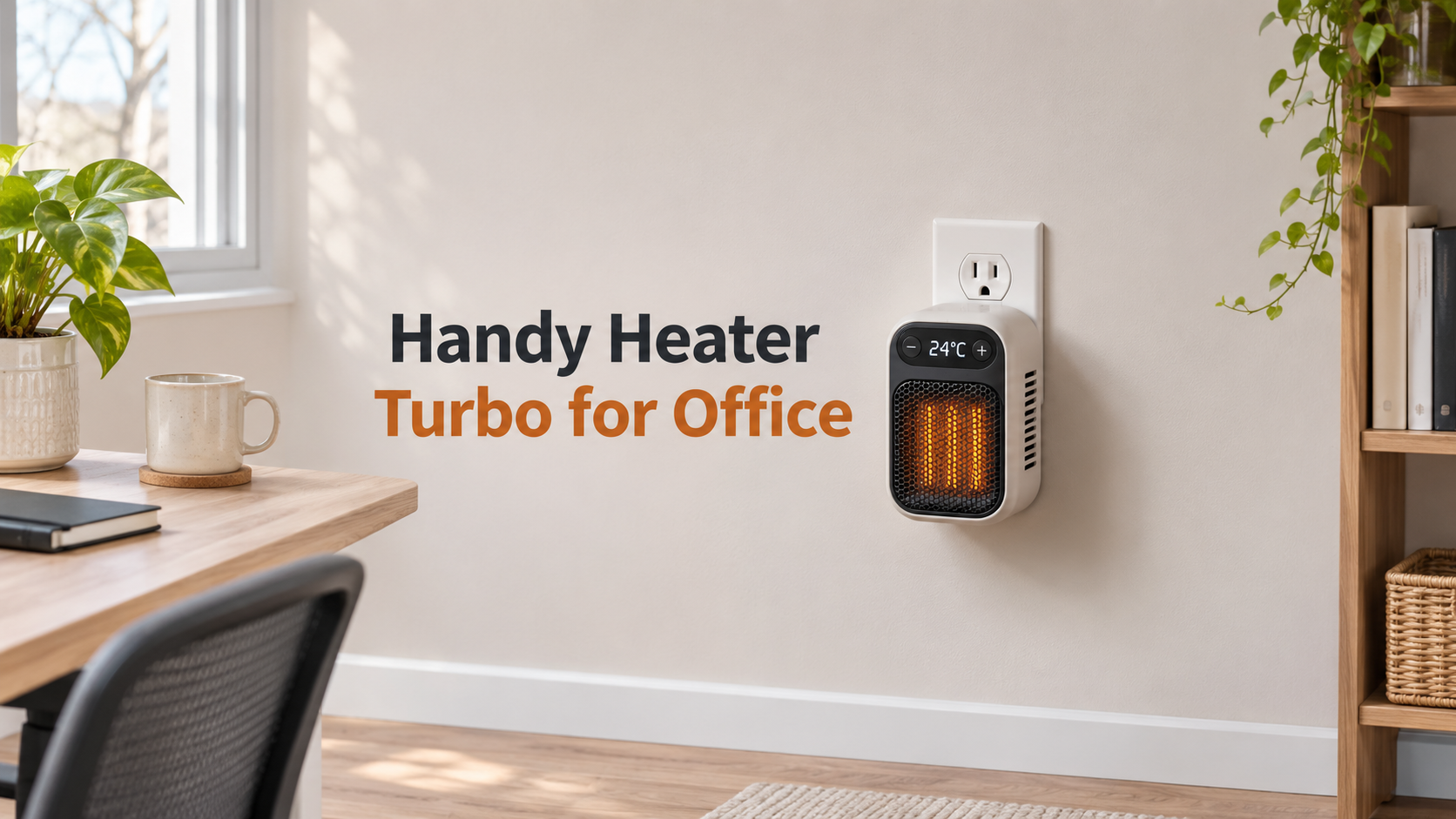
If you only need to warm your legs under a desk, take the chill off a bathroom, or heat a tiny room for a short time, a compact turbo-style heater is a convenient and low-cost choice. Just verify the wattage and safety markings before you buy.
If you plan to heat a bedroom, home office or living area for hours at a time, a full-size ceramic heater is the more sensible option. The thermostat, timer and stronger airflow give you more comfortable, more even and more controllable heat, and the added safety features give you peace of mind.
Buying Checklist
- Measure your room and match the wattage to the floor area.
- Confirm a recognized safety listing on the product itself.
- Look for tip-over and overheat protection.
- Prefer a model with an adjustable thermostat and a timer for longer use.
- Check the noise level, particularly if it is for a bedroom or office.
- Read the return policy and warranty before you purchase.
- Be skeptical of exaggerated savings claims and unverified before-and-after demonstrations.
Frequently Asked Questions
Is a Handy Heater Turbo better than a ceramic heater?
It depends on what you need. A compact turbo-style heater is better for portability and spot heating. A full-size ceramic heater is better for heating a whole room and offers more controls and safety features.
Does a small heater use less electricity?
A lower-wattage heater uses less electricity per hour, but it also produces less heat. Two heaters with the same wattage use the same amount of electricity and give nearly the same amount of heat.
Can I leave a ceramic heater on overnight?
It is safest not to. Manufacturers and fire safety organizations advise turning space heaters off when you sleep or leave the room, even when the heater has built-in safety features.
How much does it cost to run a 1500 watt heater?
Multiply 1.5 kW by your electricity price per kWh. At $0.16 per kWh the cost is about $0.24 per hour. Your own rate will be different, so check your electricity bill.
Is a ceramic heater good for a small bathroom?
Only if the heater is specifically designed and rated for bathroom use, and kept well away from water. Never use a standard heater near a bathtub, shower or sink.
Final Thoughts
The real difference between a Handy Heater Turbo and a ceramic heater is not a secret heating technology. It is size, wattage, features and safety. Compact turbo-style heaters are handy and affordable for small, short-term heating. Full-size ceramic heaters give you stronger, more controllable and better protected warmth for the rooms where you spend the most time.
Whichever you pick, buy based on verified wattage and safety markings, size the heater to your room, and use it with common-sense safety habits. That way you stay warm this winter without overpaying or taking unnecessary risks.