

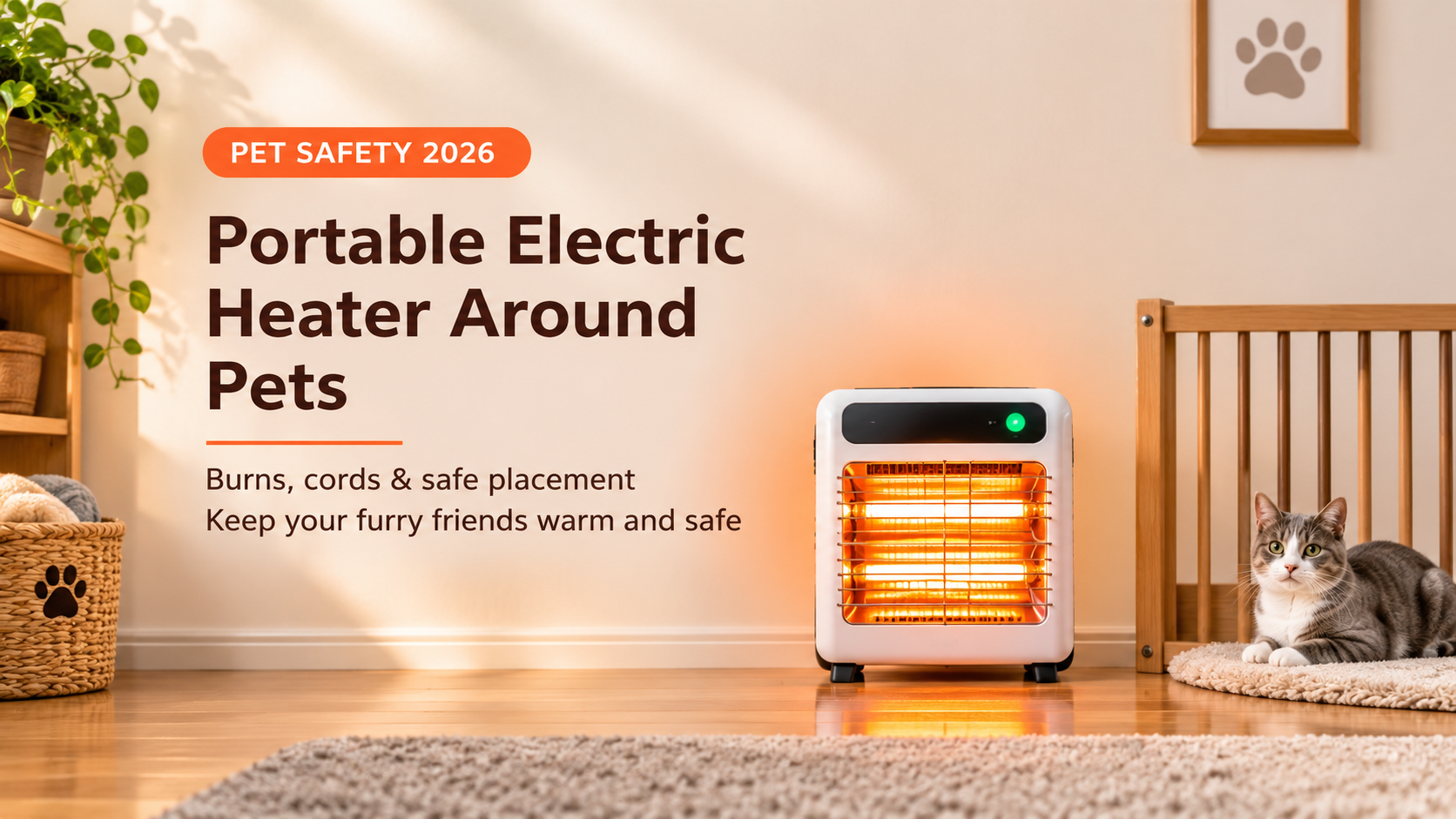
Cats curl up beside the warmest spot in the house. Dogs stretch out in front of anything that radiates heat. So when you switch on a heater in winter, your pet is probably the first to move in. That is sweet to watch, but it is also exactly why using a portable electric heater around pets needs careful thought. Curious paws, wagging tails, chewing teeth and sleepy bodies do not mix well with hot surfaces, trailing cords and tipping hazards.
The good news is that you can keep your home warm and your pets safe at the same time. In this complete guide you will learn the real risks, how to choose a pet-friendlier heater, how to place it, what to do for different kinds of pets and which warning signs to watch for.
Is It Safe to Use a Portable Electric Heater Around Pets?
It can be, but only when you choose the right heater and control how pets can reach it. Electric heaters do not produce carbon monoxide, which makes them a better option than fuel-burning heaters in homes with animals. Still, they can burn skin and fur, start fires, tip over and shock a pet that chews the cord. A heater that is safe for a calm adult is not automatically safe for a curious puppy, a climbing kitten or a bird.
The key idea is simple: treat the heater as something the pet must never be able to touch, knock over or chew. Everything else in this guide supports that idea.
The Main Risks for Pets
1. Burns
Pets cannot tell when a surface is too hot, and fur can hide early signs of injury. Cats and dogs that lean against a hot grille, panel or radiator can suffer burns, sometimes without crying out. Short-haired and thin-skinned pets are especially at risk.
2. Tipping Over
Wagging tails, playful jumps and curious paws can knock over a lightweight heater. A heater that falls can burn a pet, ignite bedding or damage the floor.
3. Chewing on Cords
Puppies, kittens and rabbits love to chew. Biting into a live cord can cause electric shock, mouth burns and, in serious cases, life-threatening injury. It can also start a fire if wires are exposed.
4. Overheating
A pet that sleeps too close to a heater can become overheated and dehydrated. Brachycephalic breeds (flat-faced dogs and cats), very young, elderly and ill pets are more sensitive to heat stress.
5. Fire From Fur, Bedding and Toys
Pet beds, blankets, towels and toys often end up next to a heater. These items can scorch or ignite if they touch hot surfaces. Loose fur and dust can also gather around vents.
6. Fumes From Non-Stick Coatings (Especially for Birds)
Some heaters and other appliances use non-stick coatings that can release fumes when overheated. Birds have very sensitive respiratory systems and can be seriously harmed by such fumes. If you keep birds, check the heater’s manual or ask the manufacturer whether any parts use this kind of coating, and ask your vet for advice.
7. Dry Air
Heaters can dry the air, which may irritate skin, eyes and airways in some pets. Fresh water should always be available.
Features of a Pet-Friendlier Heater
No heater is completely pet-proof, but some designs reduce the risk. Look for these features:
- Cool-touch exterior: A lower outer surface temperature reduces the chance of burns if a pet touches or leans on the unit.
- Tip-over protection: Cuts power instantly if the heater is knocked over.
- Overheat protection: Turns the heater off if internal temperature gets too high.
- Protective grille with narrow spacing: Prevents paws, claws and noses from reaching hot elements.
- Wide, stable base or heavy body: Harder to push over.
- Child lock or control lock: Stops pets from changing settings by stepping on buttons.
- Thermostat: Keeps the room at a steady temperature and prevents constant full-power heating.
- Timer and auto shut-off: Limits running time when you are away or asleep.
- Short, tidy, heavy-duty cord: Less cord means less to chew or trip over.
- Safety certification: Look for recognised testing marks on the product.
Best Heater Types for Homes With Pets
Wall-Mounted or Panel Heaters
Mounted high on the wall, these heaters sit out of paw reach and remove tip-over risk. Choose a model with a cool-touch surface and follow the maker’s mounting instructions. They are often the safest choice for homes with cats, dogs and children.
Oil-Filled Radiators
They are heavy and stable, with gentle heat and no exposed element. Surfaces still get warm, though, so keep pets from lying directly against them and cover or shorten the cord path.
Ceramic Heaters With Safety Grilles
Many include thermostat, tip-over and overheat protection. Choose a model with narrow grille spacing and a cool-touch body, and keep it where pets cannot reach.
Infrared Heaters: Use With Caution
Infrared heaters warm objects and animals directly, and a pet lying in front can heat up quickly. Use them only where you can keep pets at a safe distance.
Types to Avoid in Pet Homes
- Heaters with exposed glowing elements: Easy to touch and ignite fur or bedding.
- Light, narrow, unstable heaters: Easy to knock over.
- Models without tip-over or overheat protection.
- Fuel-burning heaters: Open flames and exhaust gases are a serious risk around pets.
How to Set Up a Heater Safely Around Pets
- Read the manual: Follow the maker’s rules for clearance, flooring and use.
- Choose a spot pets cannot reach: Use a room they cannot enter, or block access with a barrier.
- Use a pet gate or heater guard: A sturdy barrier around the heater keeps animals at a safe distance, but make sure it does not touch the heater or block air flow.
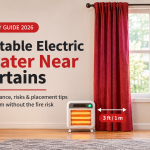
- Keep at least three feet (about one metre) clear: Remove beds, blankets, toys and anything flammable from the area.
- Place it on a flat, hard surface: Avoid carpets, rugs and uneven floors where a heater can wobble.
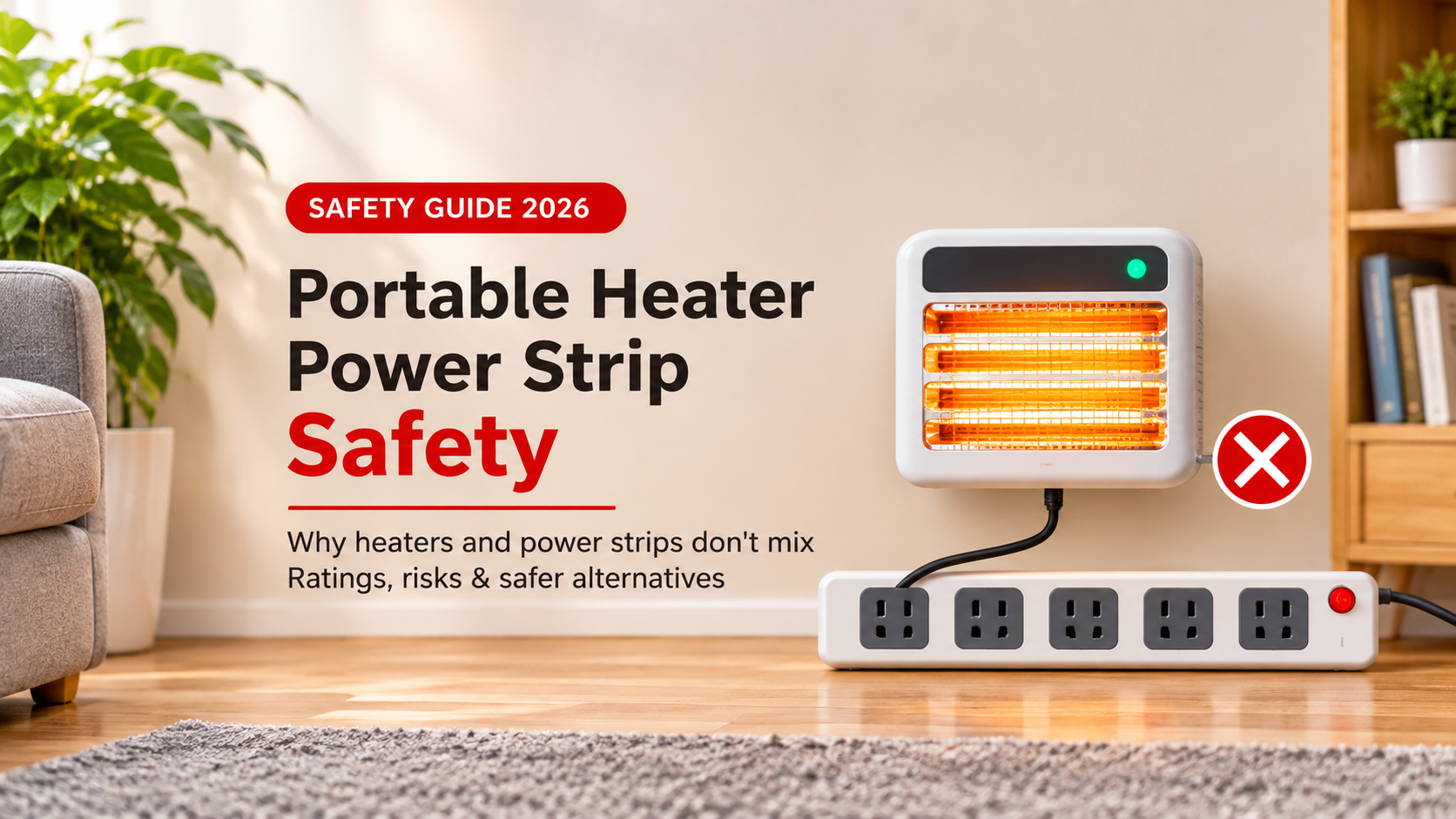
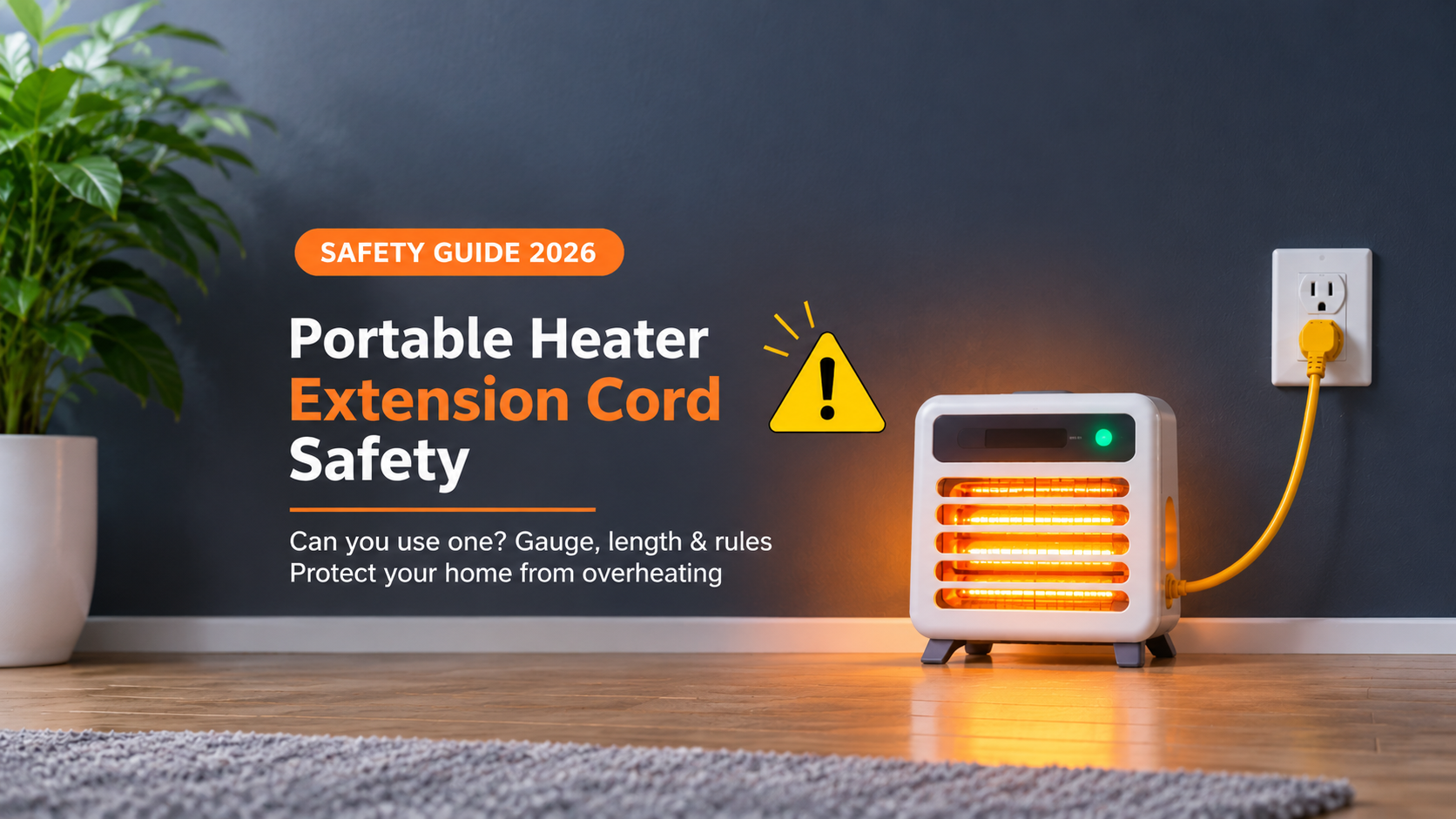
- Manage the cord: Use the shortest path to a wall outlet, keep it out of sight and consider a cord cover that is heat safe and suitable for use with heaters. Do not use extension cords or power strips.
- Check the plug and cord daily: Look for bite marks, cracks or burns. Replace damaged parts immediately.
- Offer warm alternatives: Provide a heated pet pad made for animals, a thick bed or a warm sleeping spot away from the heater.
- Provide fresh water: Keep bowls full to prevent dehydration.
- Never leave pets alone with a heater: Switch it off or unplug it when you leave, and especially if your pet is a puppy, kitten or chewer.
- Install smoke alarms: Test them regularly and make a plan for getting pets out in an emergency.
Safety Tips for Different Types of Pets
Dogs
Dogs are often tempted to lie right in front of a heater. Train them to stay away with a bed placed elsewhere. Large, energetic dogs can knock over a light heater with a tail wag, so use a stable or wall-mounted model. Puppies chew cords, so keep the cord fully out of reach.
Cats
Cats climb, jump and love warm spots. A heater on a low shelf is an invitation. Mount it high or keep the room closed to the cat. Cats can also sleep very close to heat, so offer an alternative such as a safe heated cat bed.
Puppies and Kittens
Young animals chew, explore and cannot judge danger. The safest option is to keep them completely separate from the heater with a closed door or a sturdy playpen.
Senior and Sick Pets
Older pets may have less sensitive skin or slower reflexes and may not move away from heat in time. Make sure their bed is warm but not next to the heater, and watch for signs of overheating.
Small Animals (Rabbits, Guinea Pigs, Hamsters)
Small animals are very sensitive to temperature swings and chew cords. Keep the heater well outside their cage area, never point it at the enclosure and ask a vet for the right temperature range for your species.
Birds
Birds are especially sensitive to fumes and to temperature changes. Check the heater for non-stick coatings, avoid using a new heater near the cage until it has aired out and avoid direct heat or draughts. Consult an avian vet for advice.
Reptiles and Fish
These animals have specific heating needs. A household room heater is not a substitute for proper, species-specific equipment. Ask your vet or a specialist before changing room temperature.
Signs Your Pet May Be Overheated or Hurt
- Heavy panting, drooling or restlessness.
- Lethargy, weakness or collapse.
- Red, hot or irritated skin, singed fur or blisters.
- Excessive licking of one spot.
- Vomiting or refusal to drink.
- Mouth burns, drooling or pawing at the face after chewing a cord.
- Rapid or laboured breathing.
If you notice any of these signs, switch off and unplug the heater if it is safe to do so, move your pet to a cooler place and contact a veterinarian right away. For an electric shock or burn, always get professional advice, even if your pet seems fine afterwards.
Smart Ways to Keep Pets Warm Without Relying on a Heater
- Raised, insulated beds: They keep pets off cold floors.
- Self-warming pads and blankets: They reflect the pet’s own heat without electricity.
- Pet-safe heated pads: Use only products made for animals and follow the instructions, especially around chewers.
- Warm clothing: A coat or sweater helps short-haired and small dogs on cold days.
- Draught-proofing: Seal gaps and use door snakes so warmth stays in.
- Move bedding to a warm room: Choose a spot away from windows and exterior doors.
- Insulate the floor: Rugs or mats on cold floors add comfort.
Common Mistakes Pet Owners Make
- Placing a lightweight heater on the floor with no barrier.
- Letting a pet sleep right next to a heater.
- Leaving the cord exposed where a puppy can chew it.
- Putting pet beds, towels or toys too close to the heater.
- Leaving the heater on while out of the house.
- Using a heater with no tip-over or overheat protection.
- Assuming that a pet will move away if it gets too hot.
Frequently Asked Questions (FAQ)
Are electric heaters safe for cats and dogs?
They can be, when you choose a stable, cool-touch model with tip-over and overheat protection and keep pets from touching it, chewing the cord or lying too close.
Can my dog get burned by a space heater?
Yes. A dog that lies against a hot surface can suffer burns, and thick fur can hide early damage. Always keep a safe distance and use a barrier.
What is the safest heater type around pets?
A wall-mounted panel heater placed out of reach is often considered the safest, followed by a stable oil-filled radiator with a cool-touch design and a protected cord.
Is it safe to leave a heater on when I am not home?
It is better to turn it off and unplug it. Pets can knock it over, chew the cord or move bedding too close while you are away.
Are heaters dangerous for birds?
They can be. Some heaters use non-stick coatings that release fumes when hot, and birds are very sensitive to such fumes. Check the manual, ventilate the room and talk to an avian vet.
How far should a heater be from my pet’s bed?
Keep at least three feet (about one metre) between the heater and any pet bed, blankets or toys, or more if the manual advises.
Do oil-filled radiators burn pets?
Their surfaces can become hot enough to cause discomfort or burns with prolonged contact. They are generally stable and have no exposed element, but you should still stop pets from lying against them.
What should I do if my pet chews the heater cord?
Unplug the heater at the wall only if it is safe to do so, keep your pet calm and call a veterinarian immediately. Electric shock can cause serious internal injuries that are not always visible.
Final Thoughts
Using a portable electric heater around pets is safe only when you control access. Choose a stable, cool-touch heater with tip-over and overheat protection, keep it behind a barrier or mounted out of reach, protect the cord from chewing and never leave your pet alone with a running heater. Offer warm bedding and fresh water so your pet has a safe place to stay comfortable.
With a little planning, you can enjoy a warm home while giving your furry family members the protection they deserve.