
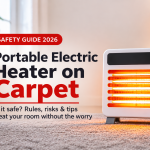


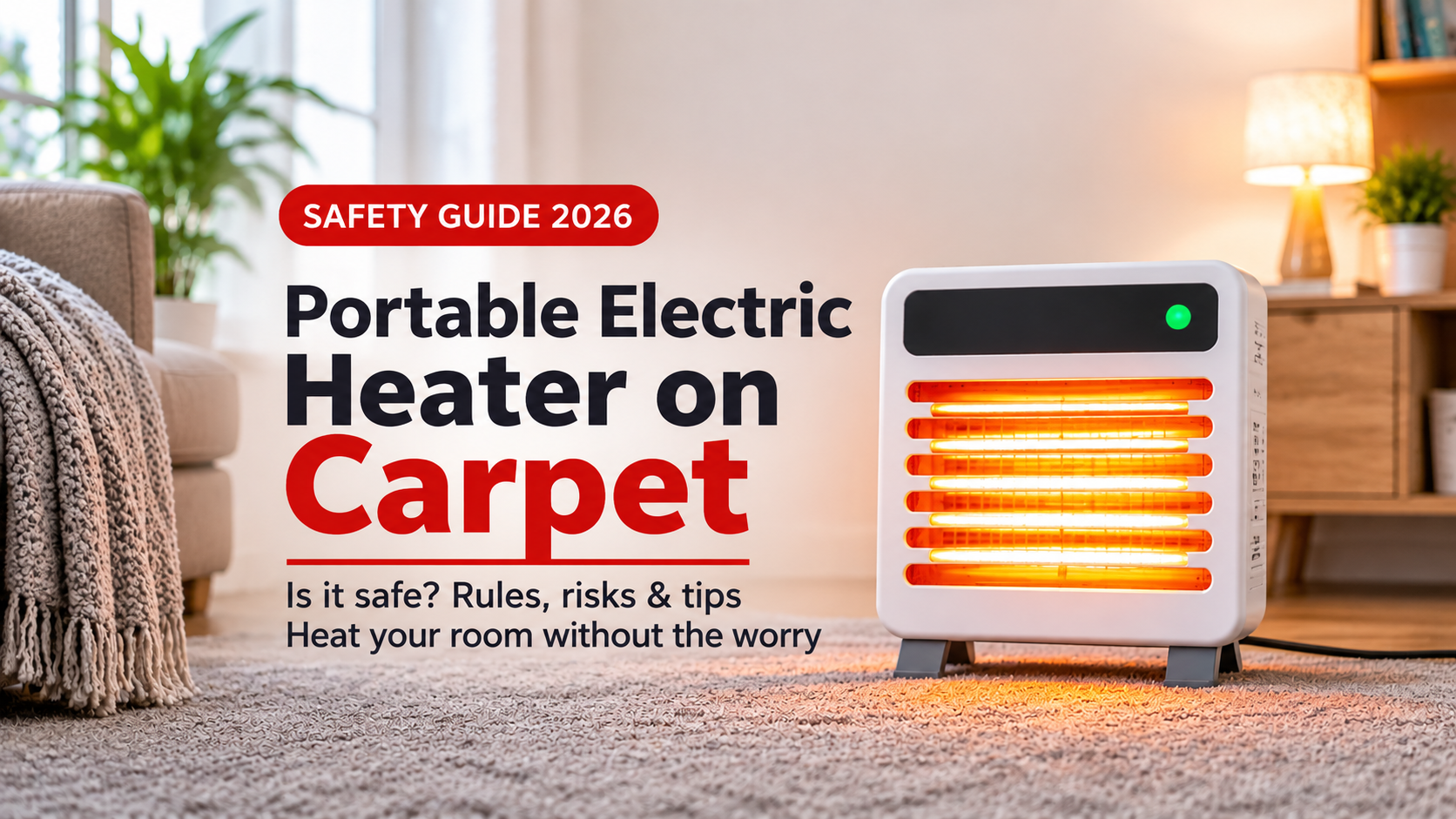
Most living rooms and bedrooms have carpet, and that is usually where people want extra warmth. So it is natural to ask: can I use a portable electric heater on carpet? The honest answer is that it can be done, but only with the right kind of heater and careful placement. Carpet is soft, thick and made from fibres that can trap heat and burn, so a heater that is badly placed or poorly designed can become a real danger.
In this complete guide you will learn what the real risks are, which heater features make carpet use safer, which types suit carpeted rooms, and a simple step-by-step setup to protect your family and your floor.
Is It Safe to Put a Portable Heater on Carpet?
It depends on the heater and how you use it. Many manufacturers say their heaters must be placed on a flat, hard, level surface. Others allow use on carpet as long as the unit is stable and the carpet is not thick or loose. Because rules differ from model to model, always read the user manual first. If the manual says “do not use on carpet”, follow it.
Electric heaters are generally safer than open-flame heaters, but they can still start fires when they overheat, tip over or touch flammable material. Carpet raises three particular concerns: stability, heat build-up under the heater and flammable fibres close to hot parts.
The Main Risks of Using a Heater on Carpet
1. Tipping Over
Thick or soft carpet can make a heater wobble or lean. A heater with a narrow base is more likely to tip, especially if someone bumps it or a child or pet pushes it. A tipped heater can end up face-down on fabric, where heat cannot escape.
2. Blocked Air Flow
Heaters that draw air from the bottom, such as some fan or oil-filled models, can have their intake blocked by long carpet pile. Less airflow means the unit runs hotter than intended.
3. Heat Build-Up Under the Unit
Some heaters get hot at the base. Carpet is a poor heat conductor, so heat can build up under the unit and slowly damage fibres, melt synthetic carpet, or in worst cases ignite the material.
4. Flammable Carpet Fibres and Padding
Carpet fibres and underlay can burn, produce smoke and release toxic fumes. Carpets made from synthetic fibres can melt and stick to hot surfaces.
5. Dust and Lint
Carpets release lint and dust. These get pulled into fan heaters, where they build up around the element and become a fire risk if not cleaned.
6. Cord Hazards
A power cord running through thick carpet can be pinched, worn down or hidden under furniture where heat goes unnoticed. Damaged cords are a leading cause of overheating.
Safety Features to Look For
If you must use a heater on a carpeted floor, choose a model that is designed for stability and heat control:
- Tip-over protection: This switches off the heater instantly if it leans or falls. It is the single most important feature on carpet.
- Overheat protection: A thermal cut-out turns off the heater when internal temperature gets too high.
- Wide, stable base: A broad base or wide feet keep the unit steady on soft flooring.
- Raised feet or elevated body: Lifting the heater above the floor improves airflow and reduces direct contact with fibres.
- Cool-touch housing: Lower outside temperatures reduce the risk of burning carpet or skin.
- Thermostat control: Stops the heater from running at full power continuously.
- Timer and auto shut-off: Helps if you forget to turn the heater off.
- Heavy-duty cord and plug: A thick power cord and secure plug reduce electrical risks.
- Recognised safety certification: Look for markings that show testing to proper safety standards.
Best Types of Heaters for Carpeted Rooms
Oil-Filled Radiators
They usually have wheels or a wide, stable base and give soft, even warmth. Their surface is hot but lower in temperature than many exposed-element heaters. They are heavy and stable, which helps on carpet, although some models are not meant for thick carpet, so check the manual.
Ceramic Tower Heaters
Tall, narrow units heat quickly and often include oscillation, thermostat and tip-over protection. Because they are tall and slim, you must ensure the base is steady and never place them on thick rugs.
Panel or Wall-Mounted Heaters
These avoid floor contact altogether. Mounted on a wall at the correct height, they leave carpet out of the equation, which can be the safest choice for carpeted rooms.
Infrared Heaters
They warm people and objects directly. Many models are compact, light and stable, but because they radiate heat, keep carpet and rugs at a safe distance from the front of the heater.
Convection Heaters
These warm air silently through natural circulation. They often come with feet that raise the unit slightly, which helps airflow over carpet.
Heater Types to Avoid on Carpet
- Heaters without tip-over protection: These are risky anywhere, but especially on soft floors.
- Heaters with a very small or narrow base: They can lean easily on carpet pile.
- Fan heaters with bottom air intakes: Long carpet fibres can block the intake.
- Old, damaged or second-hand heaters: Frayed cords and worn safety switches are common problems.
- Any heater whose manual forbids carpet use: Always follow the maker’s rules.
How to Place a Heater on Carpet Safely
- Read the manual: Check if the model allows carpet use and what flooring it needs.
- Choose low-pile carpet if possible: A short, dense pile is more stable than a thick, fluffy one.
- Use a heat-resistant base: Place a flat, non-flammable heater mat or tile under the unit if the manufacturer allows it. Never use a regular rug, towel or blanket.
- Check stability: Gently push the heater. It should not wobble or lean.
- Keep three feet clear: Maintain about 3 feet (1 metre) of space around the heater, away from furniture, bedding, curtains and clothes.
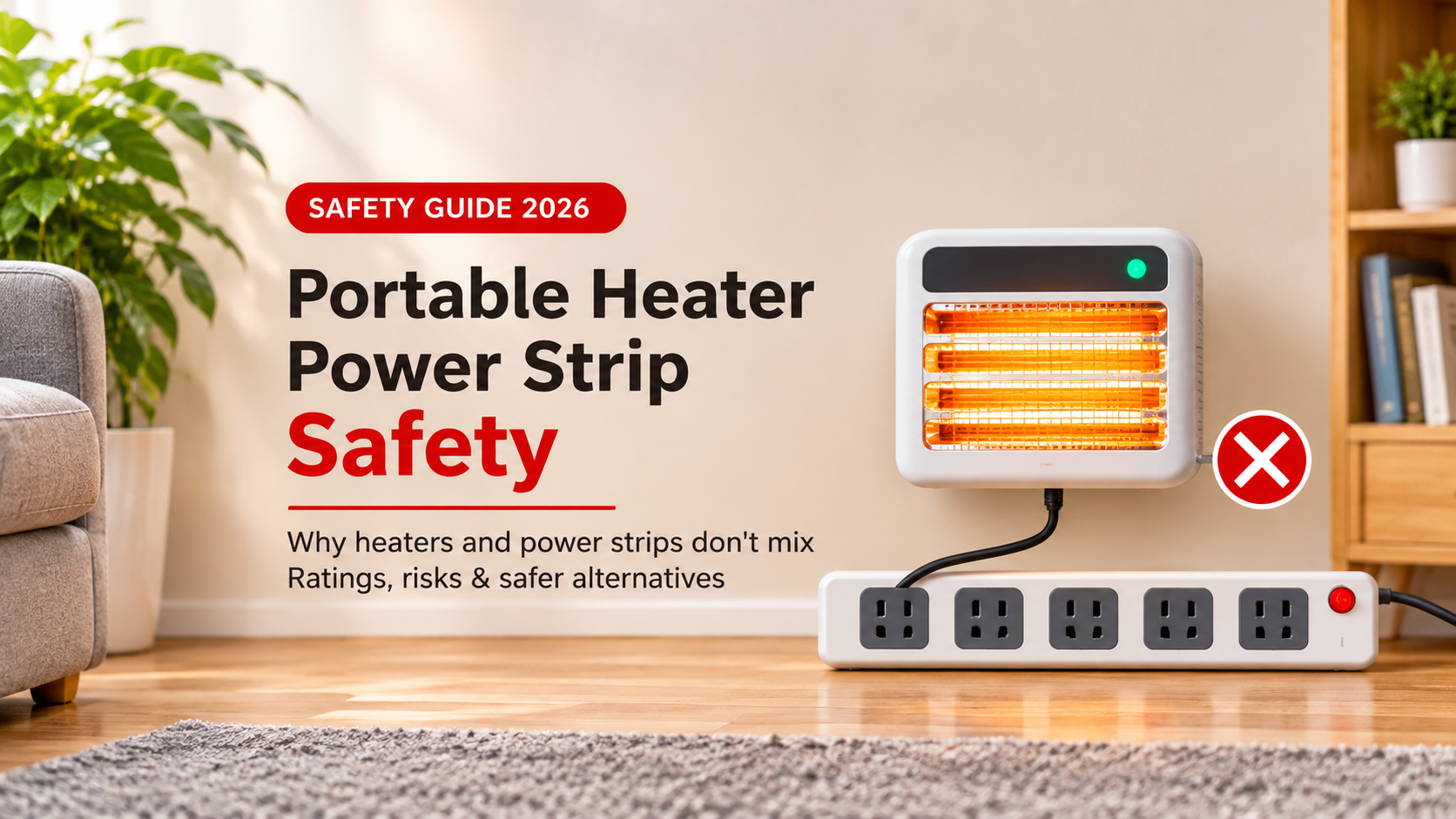
- Plug directly into the wall: Avoid extension cords and power strips. If you must use one, choose a heavy-duty cord with a rating higher than the heater’s load.
- Route the cord carefully: Do not run it under carpets, rugs or furniture, and never staple or pinch it.
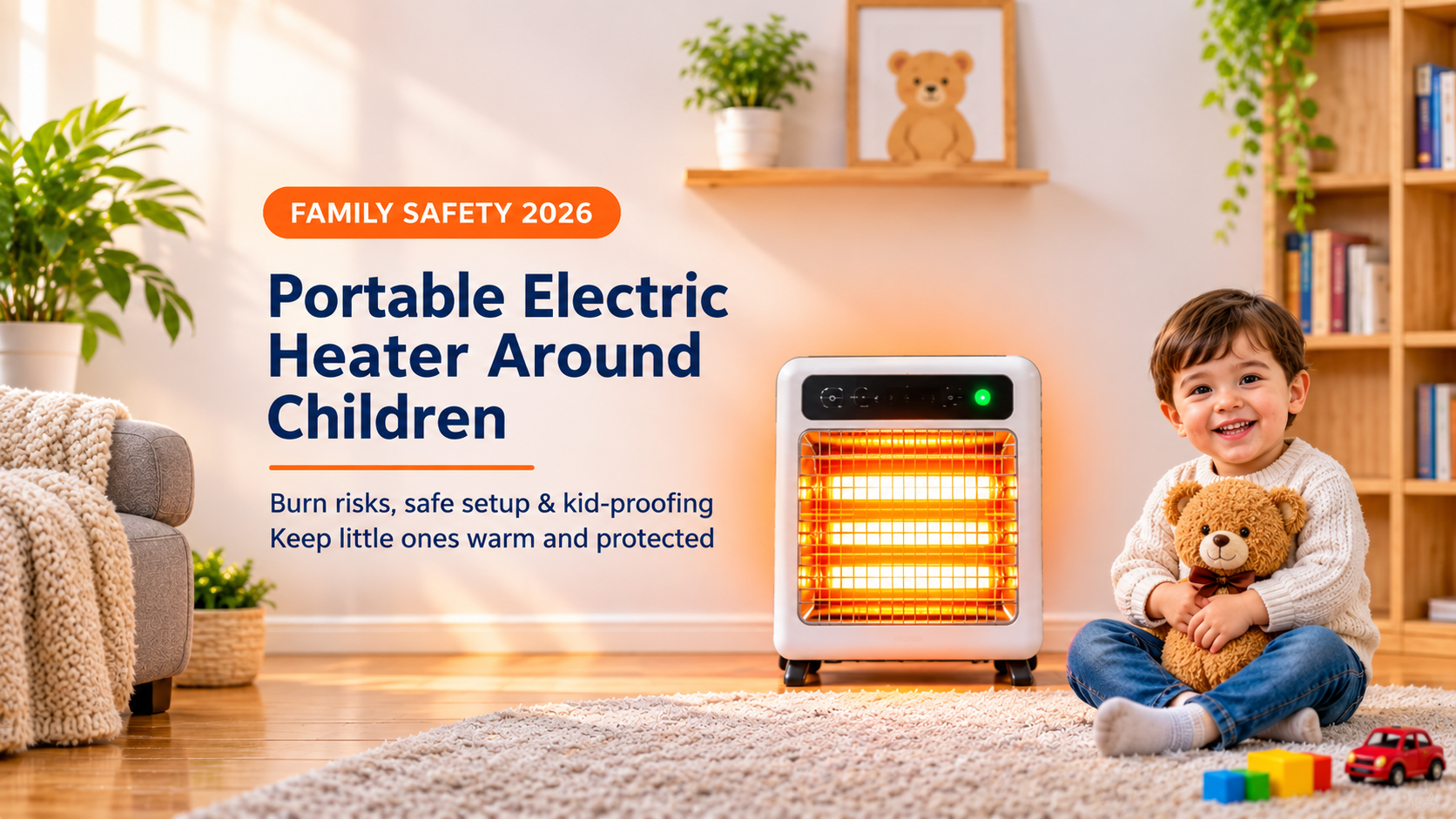
- Keep pets and children away: Set up in a spot where no one can trip over or tip the heater.
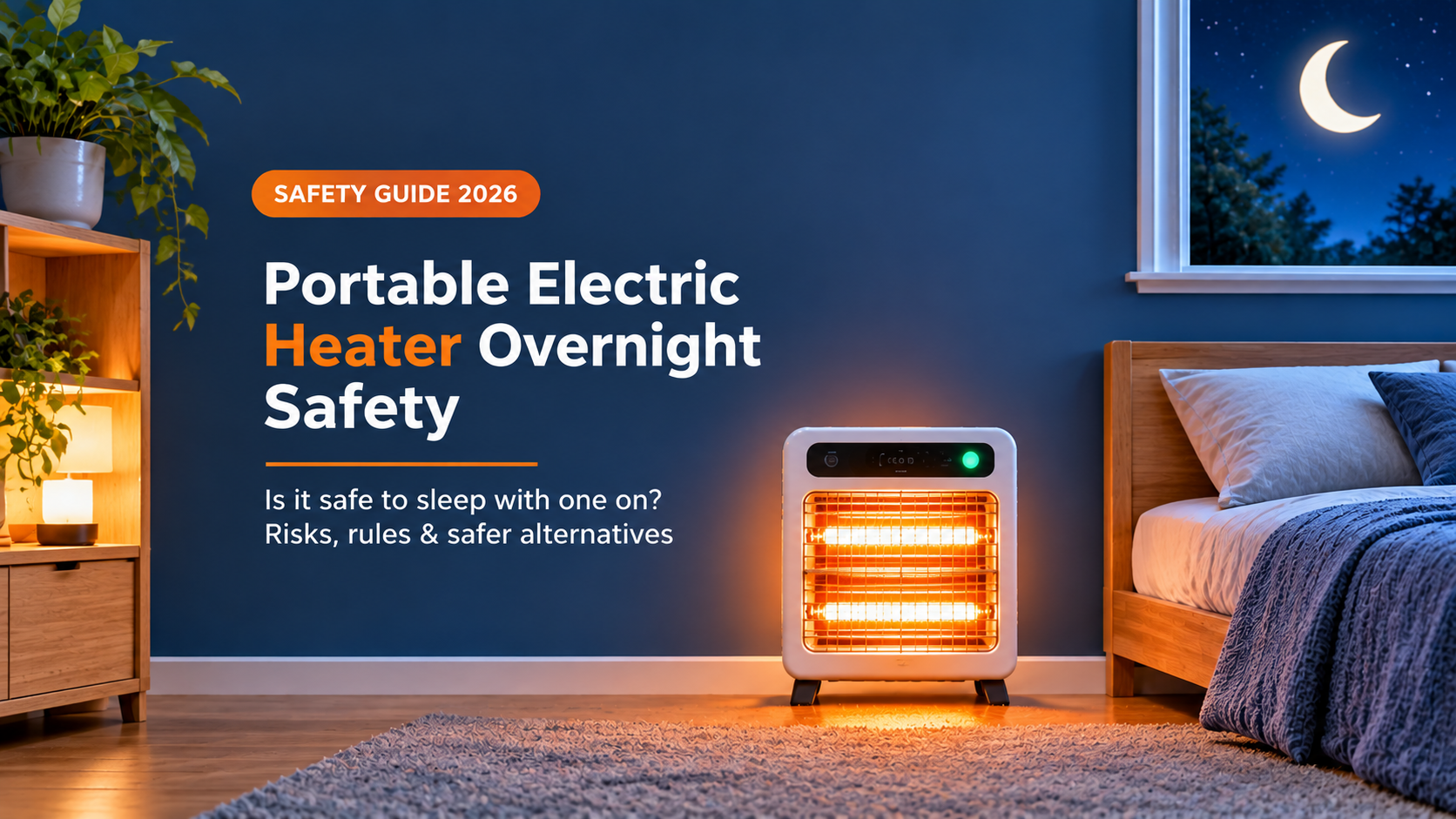
- Turn it off when leaving: Switch it off when you leave the room or go to sleep.
- Test your smoke alarm: Make sure the room has a working alarm.
Can You Put a Heater on a Rug?
Rugs are even riskier than fitted carpet because they can slide, bunch up and sit on top of other fabrics. A heater on a loose rug is more likely to tip and may trap heat underneath. If you must place a heater near a rug, keep it on a hard, bare floor section and ensure the rug stays well outside the safe distance.
Carpet vs Hard Floor: What Is Best?
| Factor | Carpet | Hard Floor |
|---|---|---|
| Stability | Lower, depends on pile height | High |
| Fire Risk | Higher, fibres can burn | Lower |
| Airflow Under Heater | Can be restricted | Usually clear |
| Dust and Lint | More dust drawn into heater | Less |
| Comfort | Warmer underfoot | Colder underfoot |
If you have the option, place the heater on a hard surface such as tile, wood or vinyl, ideally on a bare area of the room.
Signs Your Heater Is Unsafe on Carpet
- You smell burning, plastic or scorched fabric.
- The carpet beneath the heater feels hot or looks melted or discoloured.
- The heater rocks or leans when touched.
- The cord or plug feels hot or shows damage.
- The unit keeps shutting off on its own.
- You see smoke, sparks or hear buzzing sounds.
If any of these happen, turn the heater off, unplug it and stop using it until it has been checked or replaced.
Maintenance Tips for Heaters Used on Carpet
- Unplug and cool the heater before cleaning.
- Vacuum dust from vents and grilles every few weeks during heavy use.
- Inspect the cord and plug each season for cracks, burns or loose parts.
- Check that the feet or wheels are intact and the base is not warped.
- Vacuum the carpet around the heater to reduce lint.
- Store the heater in a clean, dry place when not in use.
Common Mistakes to Avoid
- Placing a heater on thick shag carpet or a loose rug.
- Leaving a heater running overnight on carpet.
- Covering the heater to dry clothes or towels.
- Using a long, thin extension cord.
- Ignoring the manual’s flooring instructions.
- Putting the heater under a bed, desk or table.
Frequently Asked Questions (FAQ)
Can I put a space heater directly on carpet?
Some models are designed for it, and others are not. Check your heater’s manual. If it allows carpet use, place it on a stable, level spot with the recommended clearance.
Is an oil-filled heater safe on carpet?
Many oil-filled radiators are stable and suitable for carpet, but surfaces still get hot. Make sure the base is stable, the carpet is not thick and nothing flammable is close.
Can a heater melt carpet?
Yes. If heat builds up under the unit or the heater is too close to synthetic fibres, the carpet can melt, scorch or even ignite.
What should I put under a heater on carpet?
Only use a non-flammable, heat-resistant base that the heater maker recommends. Do not use blankets, towels or ordinary rugs.
Is it safe to use a heater on carpet overnight?
It is safer to switch it off while sleeping. If you must use it, choose a model with thermostat, timer, overheat and tip-over protection and keep flammable items well away.
Can pets or children knock over a heater on carpet?
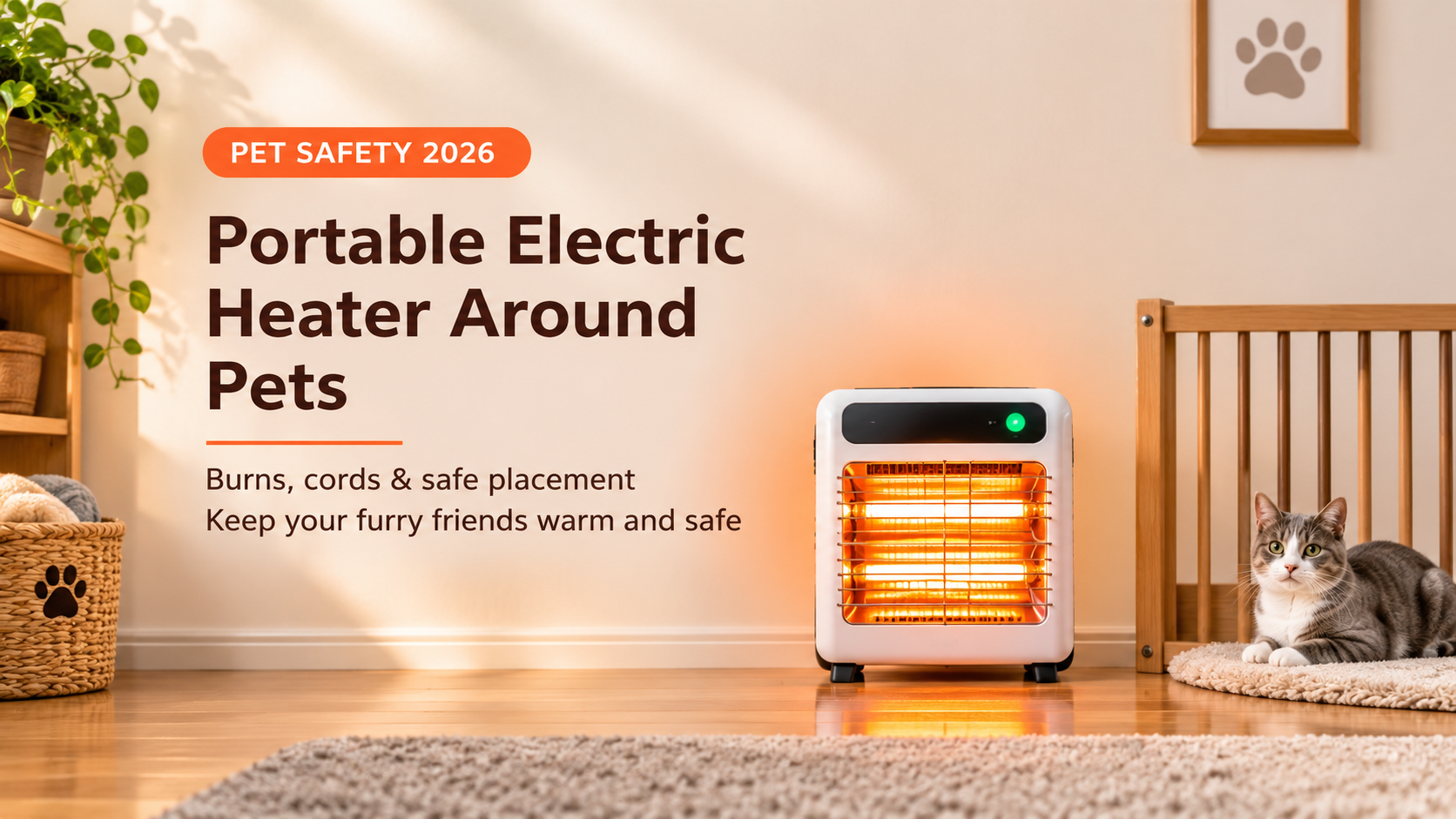
Yes, which is why tip-over protection and a stable base matter. Keep the heater in a spot that is hard to reach, or use a wall-mounted model.
Which heater is safest for a carpeted bedroom?
A wall-mounted panel heater or a stable oil-filled radiator with a thermostat, timer and tip-over protection is often a safe option, if placed with proper clearance.
Do heater mats protect carpet?
A proper heat-resistant mat can protect flooring from heat damage, but only if the heater manufacturer allows its use. It does not replace correct clearance or good safety features.
Final Thoughts
Using a portable electric heater on carpet is possible, but it demands care. Choose a heater that is stable, has tip-over and overheat protection and is approved for carpet use in its manual. Keep the area around it clear, run the cord safely and never leave it running unattended. If you want maximum safety, consider a wall-mounted heater or place the heater on a hard floor surface.
A little planning goes a long way. With the right choice and the right setup, you can enjoy a warm, cosy carpeted room without putting your home at risk.