


There is nothing more unpleasant than stepping out of a hot shower into a freezing bathroom. Cold tiles, damp air and a sudden chill can ruin the best part of your day, especially in winter. That is exactly why a portable electric heater for bathroom use has become one of the most searched home comfort products. It warms the room in minutes, helps dry the air and makes bathing more comfortable for the whole family, including kids and elderly members.
However, a bathroom is not like any other room. Water, steam and electricity are a risky mix, so you cannot simply carry any heater inside. In this complete guide you will learn how bathroom heaters work, which types exist, what safety features are essential, how to choose the right wattage and how to use your heater without any danger.
Why You Need a Portable Electric Heater in the Bathroom
Bathrooms are usually the coldest rooms in the house. They are small, have hard tiled surfaces and often have an exhaust fan or window that lets heat escape. Central heating rarely reaches them properly. A portable electric heater fills that gap with several practical benefits:
- Instant warmth: Most bathroom heaters start producing heat within seconds, so you do not need to wait.
- Comfort for children and seniors: Sudden temperature drops after bathing can be uncomfortable and, for sensitive people, unhealthy.
- Less moisture and mould: Warm air holds more moisture, and it helps surfaces, towels and mirrors dry faster.
- Portability: You can move a compact unit between rooms or store it away when summer arrives.
- Low installation effort: Unlike fixed heaters, many models only need a safe power outlet or a simple wall bracket.
Is It Safe to Use a Portable Heater in a Bathroom?
Yes, but only if the heater is designed for damp environments and you follow safe placement rules. A standard room heater is not suitable for a wet area. The key is choosing a product that is clearly marked as bathroom safe, with a proper water-resistance rating and built-in protection features.
Understanding IP Ratings
The IP (Ingress Protection) rating tells you how well a device resists dust and water. It has two digits. The first is protection against solid objects such as dust, and the second is protection against water. For a bathroom, the second digit matters most.
| IP Rating | What It Means | Bathroom Suitability |
|---|---|---|
| IP20 | No water protection | Not suitable |
| IP21 to IP23 | Protected against dripping or light spray | Only for large, dry bathrooms away from showers |
| IP24 | Protected against splashing water from any direction | Good, commonly recommended minimum |
| IP44 and above | Better protection against splashes and small objects | Very good for most bathrooms |
| IP65 | Dust tight and protected against water jets | Excellent, but still keep away from direct water |
Essential Safety Features to Look For
- Tip-over protection: The heater switches off automatically if it falls or tilts.
- Overheat protection: A thermal cut-off turns the unit off if internal temperature gets too high.
- Cool-touch housing: The outer body stays safe to touch, which matters if children are around.
- Flame-retardant materials: Quality plastics or metal parts resist heat and fire.
- Safety guard or grille: Narrow openings prevent fingers or towels from touching hot parts.
- Certified electrical standards: Look for recognised safety marks and a properly rated plug and cable.
- Timer and thermostat: These stop the heater from running longer than needed.
Types of Portable Electric Heaters for Bathrooms
Different technologies heat in different ways. Understanding them makes it easier to match a heater to your bathroom size and your daily routine.
1. Ceramic Fan Heaters
These use a ceramic heating element and a small fan to push warm air around the room. They heat very quickly, are compact and usually affordable. They are one of the most popular choices for small and medium bathrooms. The fan makes some noise, but most modern units are fairly quiet.
2. Infrared (Radiant) Heaters
Infrared heaters warm objects and people directly rather than heating the air. You feel warmth almost instantly, which is perfect if you only need heat for a few minutes while drying off. They are silent and efficient for short sessions, though they heat the room less evenly than fan models.
3. Oil-Filled Radiators
These produce gentle, long-lasting heat and stay warm even after switching off. They are very quiet but heavy and slower to warm up. They suit large bathrooms or users who want steady warmth, but they take up floor space, so you must keep them well away from water.
4. Wall-Mounted Bathroom Heaters
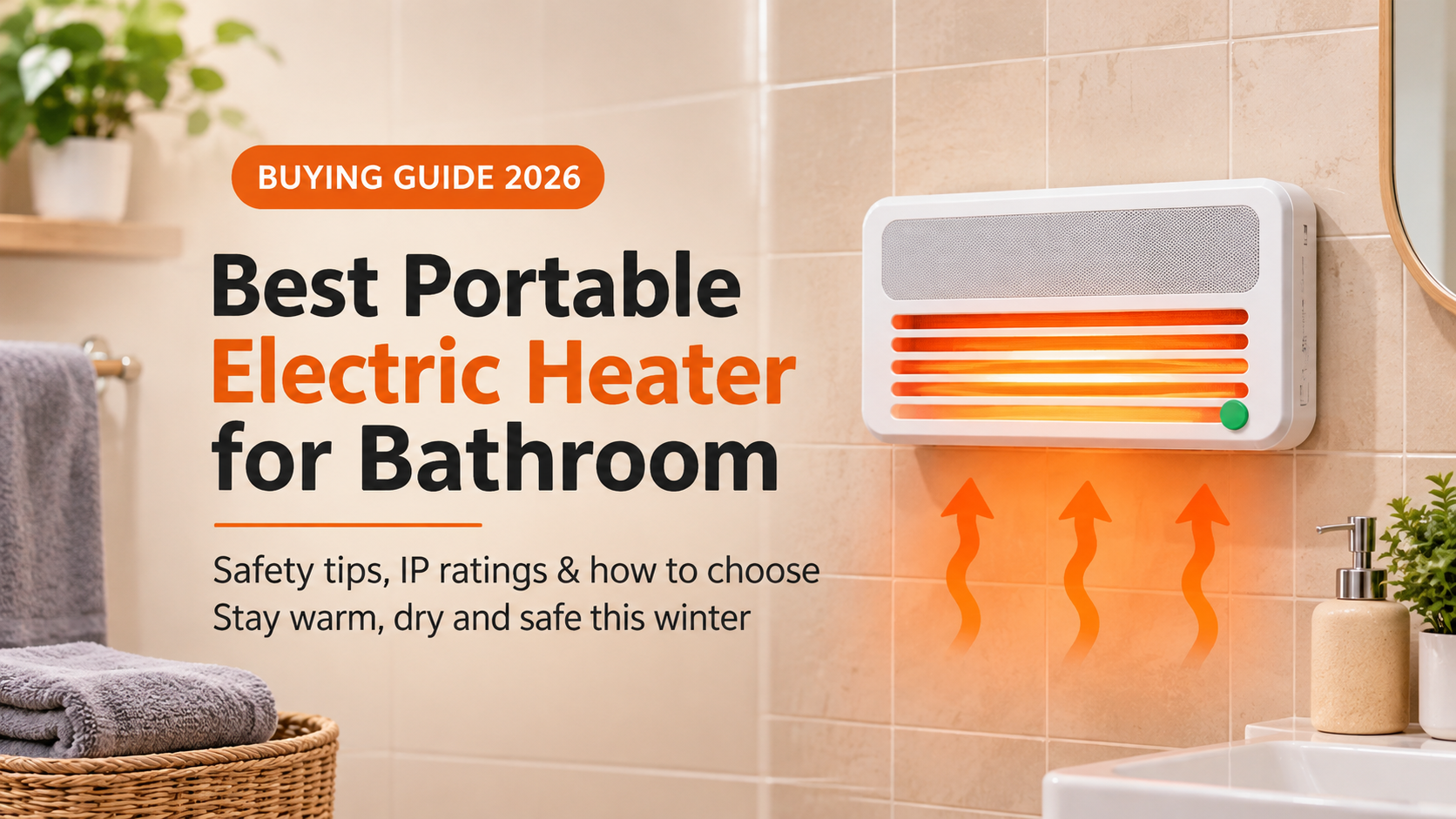
Many compact heaters are designed to hang on a wall with a bracket and a cord switch. Mounting keeps the unit off the floor and away from splashes. Choose a model with a waterproof rating that is clearly meant for bathrooms.
5. Heated Towel Rails
Electric towel rails keep towels warm and dry while also giving a mild warmth to the room. They are a stylish addition, though less powerful as a full room heater.
How to Choose the Right Wattage
Wattage decides how quickly and effectively a heater warms a room. A general rule is about 10 watts per square foot (roughly 100 watts per square metre) for average insulation. Bathrooms with high ceilings, external walls or large windows may need slightly more.
| Bathroom Size | Approx. Area | Suggested Wattage |
|---|---|---|
| Small (powder room) | Up to 40 sq ft | 400 to 800 W |
| Medium (standard) | 40 to 80 sq ft | 800 to 1,200 W |
| Large | 80 to 120 sq ft | 1,200 to 1,800 W |
| Extra large / master bath | 120+ sq ft | 1,800 to 2,000 W or more |
Always check that your electrical circuit can handle the heater’s load. Avoid plugging a high-wattage heater into an overloaded extension board.
Key Features to Compare Before Buying
- Adjustable thermostat: Holds the room at a steady temperature and saves electricity.
- Multiple heat settings: Low, medium and high modes give you control over comfort and cost.
- Timer function: Lets you pre-heat the bathroom before you walk in.
- Remote control: Convenient, though keep the remote dry and away from the shower area.
- Noise level: Fan heaters should ideally stay quiet enough for a relaxing environment.
- Size and weight: A compact, light unit is easier to move and store.
- Cord length: A longer cord helps you place the heater far from water, but never use an unsafe extension.
- Energy efficiency: Look for good thermostat control and an eco or low-power mode.
- Warranty and after-sales support: A longer warranty shows the maker trusts the build quality.
Pros and Cons of Portable Bathroom Heaters
| Pros | Cons |
|---|---|
| Fast, targeted warmth Easy to install and move Budget friendly Helps reduce dampness Wide range of designs |
Must be rated for wet areas Can raise electricity bills if left on Some fan models are noisy Needs careful placement Not a replacement for ventilation |
Safe Placement and Usage Tips
Even the best heater becomes risky if used incorrectly. Follow these simple rules:
- Keep it away from water: Never place a heater near the bath, shower or sink where it could get splashed or fall in.
- Use a stable, flat position: Or choose a wall-mounted model fixed with the proper bracket.
- Never touch it with wet hands: Dry your hands before switching the heater on or off.
- Keep towels and clothes clear: Maintain at least one metre of free space around the unit. Never drape items over it.
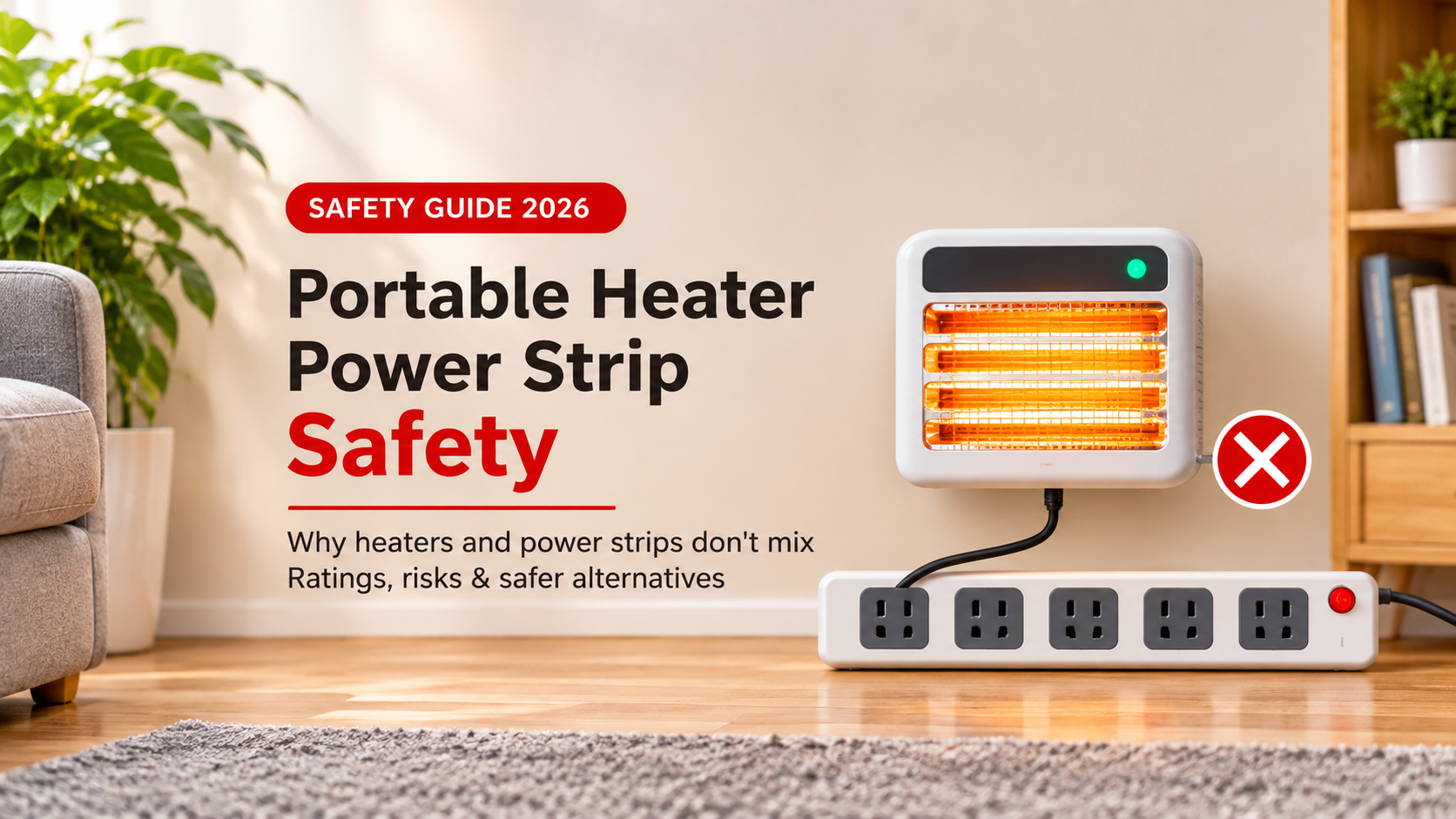
- Do not use extension cords: Plug directly into a suitable, protected socket whenever possible.
- Use residual current protection: A residual current device (RCD or GFCI) adds an important layer of protection against electric shock.
- Heat first, bathe later: Turn the heater on 10 to 15 minutes before you bathe and switch it off before the shower to avoid steam contact.
- Never leave it running unattended: Turn it off when you leave the bathroom or go to sleep.
- Inspect regularly: Check the cable and plug for damage and clean dust from the grille.
- Follow the manual: Every model has its own rules about distance, mounting and use.
How Much Electricity Does a Bathroom Heater Use?
A 1,000 W heater uses 1 kWh of electricity for every hour at full power. If your electricity price is, for example, 10 cents per kWh, that is about 10 cents per hour. Because bathroom heaters are used for short periods and thermostats cycle the element on and off, the real cost is usually lower. To save energy, use a timer, heat only when needed, close the door and window and choose the lowest wattage that suits your room.
Common Mistakes to Avoid
- Using a normal living room heater with no water rating.
- Choosing a heater that is too powerful for a tiny room or too weak for a large one.
- Placing the heater on a wet floor or next to the bathtub.
- Ignoring ventilation, which can trap moisture and cause mould.
- Buying only by price instead of safety certification and build quality.
Maintenance and Care
A little care keeps your heater efficient and safe for years. Unplug it and let it cool before cleaning. Wipe the outer body with a slightly damp cloth, never a dripping one. Use a soft brush or vacuum to remove dust from the vents, because dust build-up reduces airflow and can cause overheating. Store it in a dry place during warm months and keep the original manual handy.
Who Should Buy Which Type?
- Small apartment or powder room: A compact ceramic or wall-mounted heater with a low wattage.
- Families with kids: A cool-touch, tip-over protected model with a high water rating.
- Quick morning routine: An infrared heater for instant warmth.
- Large master bathroom: A higher-wattage fan heater or a wall-mounted unit plus a towel rail.
- Elderly users: A stable, simple-to-use model with a thermostat and auto shut-off.
Frequently Asked Questions (FAQ)
Can I use any portable heater in my bathroom?
No. Only use a heater that is specifically designed and rated for bathroom or damp conditions. Regular room heaters lack the water protection required.
What IP rating is best for a bathroom heater?
IP24 is commonly considered a minimum for splash protection, while IP44 or higher offers a stronger margin of safety. Always follow local regulations and the manufacturer’s instructions.
Is a ceramic or infrared heater better for a bathroom?
Ceramic fan heaters warm the entire small room evenly, while infrared heaters give instant spot warmth. For most families, a quality ceramic heater is the better all-round choice, and infrared suits quick, short use.
Can I leave the heater on while showering?
It is safer to pre-heat the room and turn the heater off or keep it far from the water while you shower, unless the product is clearly designed and installed for that use.
How long does it take to heat a bathroom?
A suitable heater usually warms a small to medium bathroom in about 5 to 15 minutes, depending on room size, insulation and wattage.
Will a bathroom heater help with mould?
It can help dry surfaces and reduce humidity, but good ventilation or an extractor fan is still necessary to remove moisture from the room.
Are portable heaters expensive to run?
Running costs depend on wattage, time of use and your local electricity price. Using a thermostat and timer keeps the cost low.
Final Thoughts
A portable electric heater for bathroom use is one of the simplest ways to turn a cold, uncomfortable room into a warm and welcoming space. The most important steps are to choose a model with a suitable water-resistance rating, built-in safety protections and the right wattage for your room size. Place it carefully, follow the maker’s instructions and never compromise on electrical safety.
Take your time to compare types, features and certifications, and you will find a heater that keeps you cosy every winter morning and evening, without worry.