







Towel bars, robe hooks, toilet paper holders, soap dishes, tumbler holders and wall shelves are small details, but they make a bathroom both practical and good-looking. They also work hard. Every day they are splashed with water, coated with steam, touched with wet hands and exposed to soap, shampoo and cleaning products.
Without regular care, chrome loses its shine, stainless steel gets water spots, matte black finishes fade, screws rust and fixings loosen until an accessory comes away from the wall. The good news is that a few simple habits keep bathroom wall accessories looking new and working properly for many years. This guide covers everything you need to know.
Quick answer
To maintain bathroom wall accessories, wipe them weekly with a soft damp cloth and dry them, clean monthly with a mild cleaner suited to the finish, remove limescale with diluted vinegar where the finish allows, avoid abrasive pads and harsh chemicals, check screws and wall fixings regularly, and renew cracked sealant so water cannot get behind the plates.
Why Bathroom Accessories Need Regular Maintenance
Bathrooms are among the most demanding rooms for any fixture. Moisture, temperature swings and cleaning products all work against metal, plastic, glass and adhesives.
- Moisture and steam cause water spots, tarnish and rust.
- Hard water leaves chalky limescale deposits that dull finishes.
- Soap and body products form a sticky film that attracts dirt and mold.
- Daily use loosens screws, mounting plates and adhesive pads over time.
- Harsh cleaners can strip protective coatings from finishes, especially matte black and brass.
Know What You Have: Check the Finish and Material
The right cleaning method depends on the finish. Using the wrong product is the most common reason accessories lose their look. Check the manufacturer’s care instructions, and when in doubt, start with the gentlest option: a soft cloth and mild soapy water.
| Finish | Safe cleaning | Avoid |
|---|---|---|
| Chrome | Mild soap and water, soft cloth, dry buff | Abrasive pads, strong acids, bleach |
| Stainless steel | Warm soapy water, wipe along the grain, dry well | Steel wool, chlorine bleach, scouring powder |
| Brushed nickel | Mild soap, soft cloth | Harsh chemicals, rough scrubbing |
| Matte black | Mild soap, soft microfibre cloth | Abrasives, acidic cleaners, vinegar soaks, scrubbing |
| Brass or gold | Soft damp cloth, dry immediately | Abrasive polishes on lacquered pieces, ammonia |
| Glass or ceramic | Glass cleaner or a mild vinegar and water mix | Hard knocks, scratchy pads |
| Plastic or acrylic | Soapy water, soft cloth | Solvents, strong cleaners, heat |
| Sealed wood or bamboo | Slightly damp cloth, dry afterwards | Soaking, standing water |
The Easy Maintenance Routine
Consistency matters more than effort. A short, regular routine prevents most problems from developing.
Weekly: quick wipe and dry
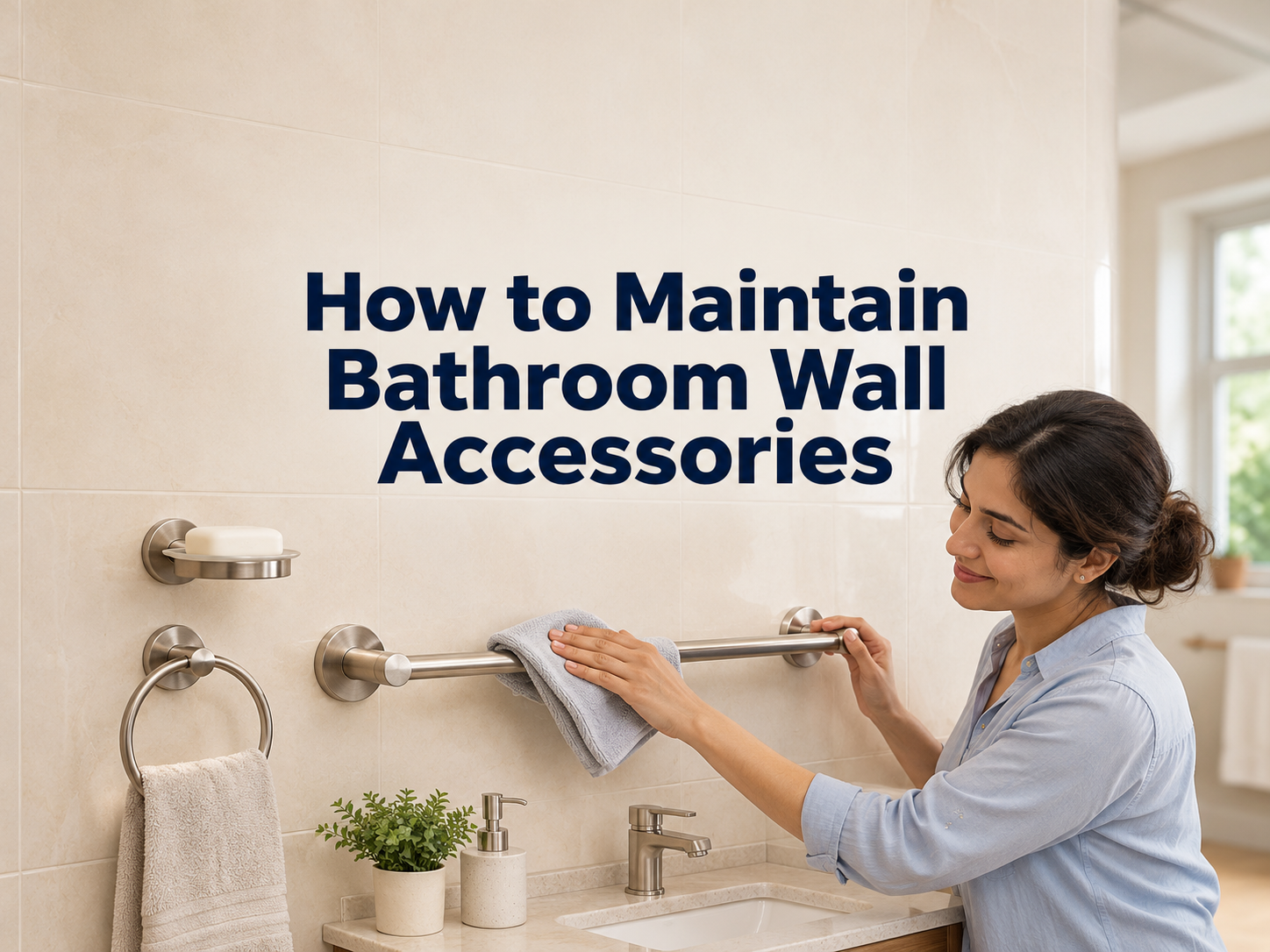
Wipe towel bars, hooks, holders and shelves with a soft damp cloth, then dry them. Drying is the key step, because it stops water spots and slows corrosion. Empty and rinse soap dishes so soap residue does not build up.
Monthly: deeper clean and inspection
Clean each accessory with a mild cleaner suited to its finish. While you do this, look for wobble, rust, limescale and loosened screws, using the inspection points below.
Every six to twelve months: check the fixings
Check wall fixings, replace cracked silicone around mounting plates, and renew any adhesive mounts that have weakened. This is also a good time to replace worn parts before they fail.
How to Clean Common Problems
Limescale and hard water spots
Apply a cloth soaked in diluted white vinegar to the area for a few minutes, wipe gently, rinse with clean water and dry. Use this only on finishes that tolerate mild acid, such as chrome and stainless steel. On matte black, brass and some coated finishes, use a manufacturer-approved cleaner instead.
Rust spots
Remove surface rust gently with a soft cloth and a mild rust remover that is safe for the finish. Dry well afterwards. If rust keeps returning, the coating has probably worn through and the part may need replacing.
Soap film and dullness
Warm water, a few drops of mild dish soap and a soft cloth are enough. Rinse thoroughly, then dry with a clean microfibre cloth so the finish regains its shine.
Mold and mildew on soap dishes or holders
Wash with warm soapy water and a soft brush, rinse and dry. Improve ventilation so the area dries faster after showers.
Safety note on cleaning products
Never mix cleaning products, especially bleach with vinegar, ammonia or acidic cleaners, because this can release harmful fumes. Ventilate the bathroom, wear gloves when using stronger products, and always test any new cleaner on a hidden spot first.
How to Fix a Loose or Wobbly Accessory
A loose accessory is more than an annoyance. It puts extra strain on the wall fixing and can lead to a fall. Fix it as soon as you notice movement.
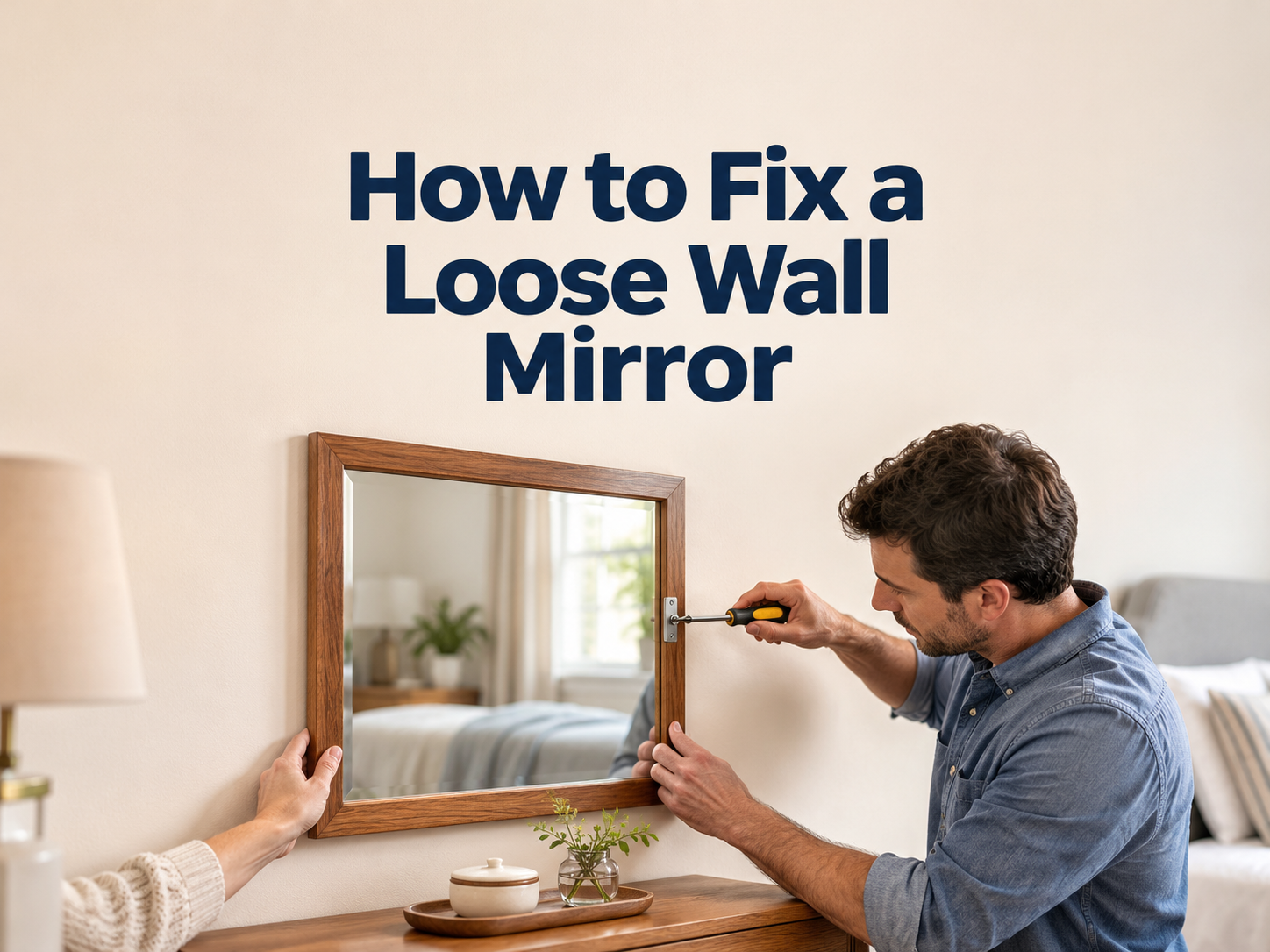
- Remove the cover or loosen the set screw to reveal the mounting plate and fixings.
- Test the fixings. If screws spin or the plug moves, the hole has worn out.
- Replace the anchors with larger or stronger ones that suit the wall type, or fix into a stud or solid backing where possible.
- Refit and level the accessory, tightening firmly without over-tightening, which can crack tile or strip the anchor.
- Seal the edges of the plate with waterproof silicone to keep moisture out, and let it cure before use.
If the wall around the fixing is soft, crumbling or damp, repair the wall first. Fixing a new anchor into damaged material will not hold.
Special Care for Different Accessory Types
Towel bars and rings
Do not overload them with heavy, wet towels. Check the end brackets regularly, since they carry the load and loosen first.
Robe and towel hooks
Limit weight to what the hook is rated for, and avoid hanging heavy wet bags or several coats on a single hook.
Toilet paper holders
Clean the spring or moving parts occasionally, because moisture can make them stiff or rusty.
Soap dishes and dispensers
Choose designs with drainage, empty standing water and clean underneath. Pump parts benefit from a periodic rinse with warm water.
Wall shelves and caddies
Wipe regularly, keep the weight within the limit, and place heavy items close to the wall. Make sure drainage holes stay clear.
Adhesive and suction accessories
These weaken with steam and soap film. Keep the surface clean, respect weight limits, and replace the adhesive strips at the first sign of slipping.
Protect Accessories From Damage Before It Starts
- Ventilate the room during and after showers using a fan or open window.
- Wipe away splashes and standing water instead of letting it dry on the surface.
- Use corrosion-resistant screws and fixings when installing or replacing accessories.
- Seal the gap between plates and the wall so water cannot creep behind.
- Keep strong cleaning products, hair dye and perfumes away from delicate finishes.
- Use microfibre cloths rather than rough sponges or paper towels.
Pro tips
- Keep a small microfibre cloth in the bathroom for a quick dry-wipe after showers.
- Buy matching finishes so cleaning methods stay the same across the room.
- Take a photo of the model and finish before cleaning or replacing parts, to match parts easily later.
- Do not force a stuck screw. Try a drop of penetrating oil and work gently.
- Replace worn accessories early to protect the wall behind them.
Common Mistakes to Avoid
- Using steel wool, scouring powder or rough pads on polished or coated finishes.
- Leaving water to dry on the surface instead of wiping it.
- Mixing cleaning products or using bleach on metal finishes.
- Over-tightening screws until tile cracks or anchors strip.
- Ignoring a small wobble until the accessory falls.
- Overloading hooks, bars and shelves beyond their rated limits.
- Skipping sealant around the mounting plates.
When to Replace Instead of Repair
- The finish is peeling, flaking or deeply rusted.
- The accessory is bent, cracked or has broken mounting points.
- Screw holes are badly enlarged and cannot hold even with new anchors.
- The adhesive has failed repeatedly or damaged the wall surface.
- The wall behind the accessory is soft or damp. Repair the cause first, then fit a new piece.
Frequently Asked Questions
How often should I clean bathroom accessories?
Wipe them weekly and do a deeper clean once a month. In very humid or hard water areas, clean a little more often.
Can I use vinegar on all bathroom accessories?
No. Diluted vinegar works well on chrome, stainless steel, glass and ceramic, but it can damage matte black, brass, lacquered and some coated finishes. Check the manufacturer’s advice first.
How do I stop towel bars from rusting?
Dry them after cleaning, ventilate the room, choose stainless steel or properly coated products, and replace parts when the coating wears through.
Why does my accessory keep coming loose?
Usually because the anchor does not suit the wall, the hole has worn out, the load is too heavy, or moisture has softened the wall. Replace the anchor, fix into a stud or solid backing where possible, and reseal.
What is the best cloth for cleaning bathroom fixtures?
A soft microfibre cloth. It lifts dirt and water without scratching, and it dries and buffs the surface in one go.
Is it safe to use bleach on accessories?
Avoid it on metal finishes, since it can cause pitting and discolouration. If you use it on ceramic or plastic, follow the label, never mix it with other products and rinse thoroughly.
Final Thoughts
Bathroom wall accessories do not need much to stay in excellent shape. Wipe and dry them regularly, clean with the right product for each finish, deal with limescale and rust early, check fixings every month and keep the sealant intact. These simple habits protect your investment, keep your bathroom looking fresh and help every towel bar, hook and shelf do its job safely.
Start today with a quick check of each accessory. Tighten what is loose, clean what is dull and make a note to repeat the routine. A few minutes of care now saves you from replacements and wall repairs later.