





How to Stop a Mattress from Sliding on a Bed Frame: 10 Easy Fixes
You get into bed, shift around a little, and by morning your mattress has crept several inches off the frame. Or you wake up with one corner hanging over the edge. A sliding mattress is annoying, uncomfortable, and in some cases unsafe. It can leave gaps where bedding or limbs get stuck, wear out your mattress unevenly, and ruin a good night of sleep.
The good news is that this is one of the easiest bedroom problems to solve. In this guide, you will learn how to stop a mattress from sliding on a bed frame, why it happens in the first place, which method suits your type of bed, and how to prevent it from coming back.
Why Does a Mattress Slide on a Bed Frame?
Before choosing a fix, it helps to know the cause. Mattresses slide because there is not enough friction or support to hold them in place. The most common reasons are:
- Smooth or slippery surface. Bare wood slats, metal frames, and polished platforms offer little grip, especially against a slick mattress cover.
- No raised edge or rail. Platform beds and simple frames often have nothing at the sides to stop the mattress from moving.
- Missing headboard or footboard. Without an end panel, the mattress can slide toward the head or foot of the bed.
- Wrong mattress size. A mattress that is smaller than the frame has room to shift. Even a slight size mismatch adds up over time.
- Heavy movement. Tossing and turning, children jumping, and getting in and out of bed all push the mattress a little at a time.
- Loose or sagging slats. Slats that move, or are spaced too far apart, make the surface uneven and unstable.
- Adjustable bases and slippery foundations. When a base angle changes, the mattress can slide down if nothing keeps it in place.
- Frame that slides on the floor. Sometimes the entire bed moves, which gives the feeling that the mattress is slipping.
10 Ways to Stop a Mattress from Sliding
1. Use a Non-Slip Mattress Pad
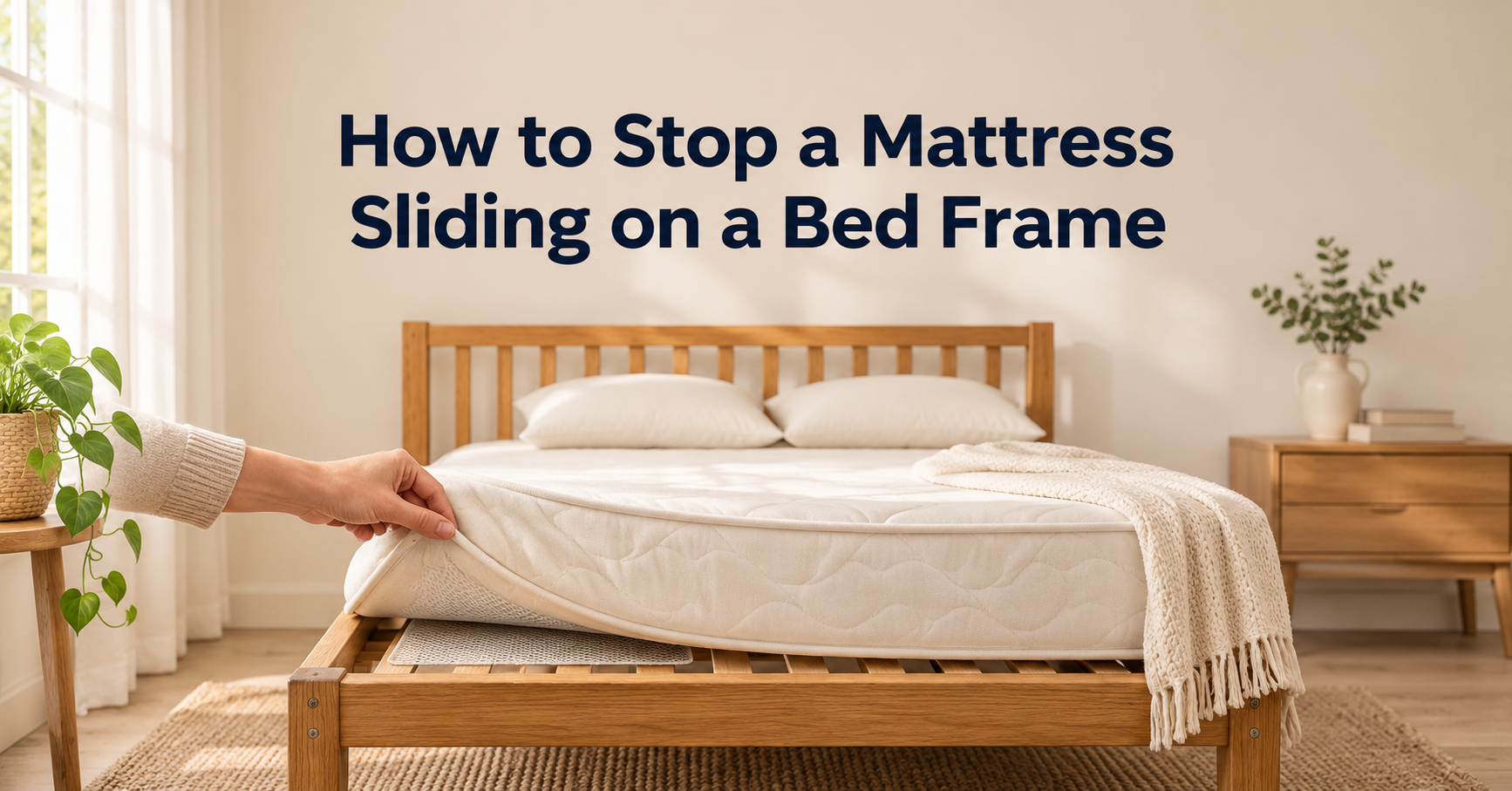
A non-slip mattress pad is a thin pad with a rubberized or gripping underside. Place it on the frame, then put the mattress on top. It increases friction between the two surfaces and is one of the easiest and least expensive solutions. Choose a pad that is at least as large as your mattress and made of breathable material so that air can still flow.
2. Put Shelf Liner or a Rug Pad on the Slats
A roll of non-slip shelf liner or a rug pad can be cut to the size of your frame and laid across the slats or platform. Look for a mesh or perforated style that allows airflow, because a fully solid sheet can trap moisture under the mattress. This option is cheap, quick, and works on most frames.
3. Attach Hook-and-Loop Strips
Heavy-duty adhesive hook-and-loop strips can hold a mattress firmly to the frame or box spring. Stick one half to the frame and the matching half to the underside of the mattress or box spring, in several places along the edges. Clean the surface first so the adhesive grips well. These strips are strong yet removable, so they are safer for your mattress than glue.
4. Install Mattress Retainer Bars or Brackets
Retainer bars are metal or wood brackets that bolt onto the frame and form a barrier along the edge of the mattress. They suit platform beds and frames without a raised rail. Measure your mattress height first, so the bar sits high enough to hold it without being uncomfortable.
5. Add a Headboard or Footboard
If your frame has no end panels, a headboard or footboard stops the mattress from sliding lengthwise. Pushing the head of the bed tightly against a wall also helps, although a proper headboard is more secure and looks better.
6. Make Sure the Mattress Fits the Frame
Measure the inside of your frame and compare it with your mattress. A mattress should fit snugly, usually with only a small gap on each side. Standard sizes can vary slightly between brands, so measure rather than assume. If the gap is large, you may need a different mattress or a frame with an adjustable size.
7. Use a Box Spring or Foundation That Grips
Many box springs and foundations have a fabric cover that grips the mattress better than a bare slat or platform surface. If you use one, make sure the foundation itself sits firmly in the frame, and add a grip liner underneath if the box spring moves.
8. Tighten and Fix Loose Slats
Check all slats and screws. Tighten the bolts on the frame, replace cracked slats, and make sure the spacing is even, usually no more than about three inches apart for most mattresses. A stable base keeps the mattress from shifting and extends the life of the bed.
9. Switch to a Fitted Mattress Cover with Grip
Some mattress covers and protectors have a textured or grippy underside designed to stay in place. Pick one that fits snugly with deep pockets. Avoid silky or satin materials on the bottom, which can make sliding worse.
10. Stop the Frame from Sliding on the Floor
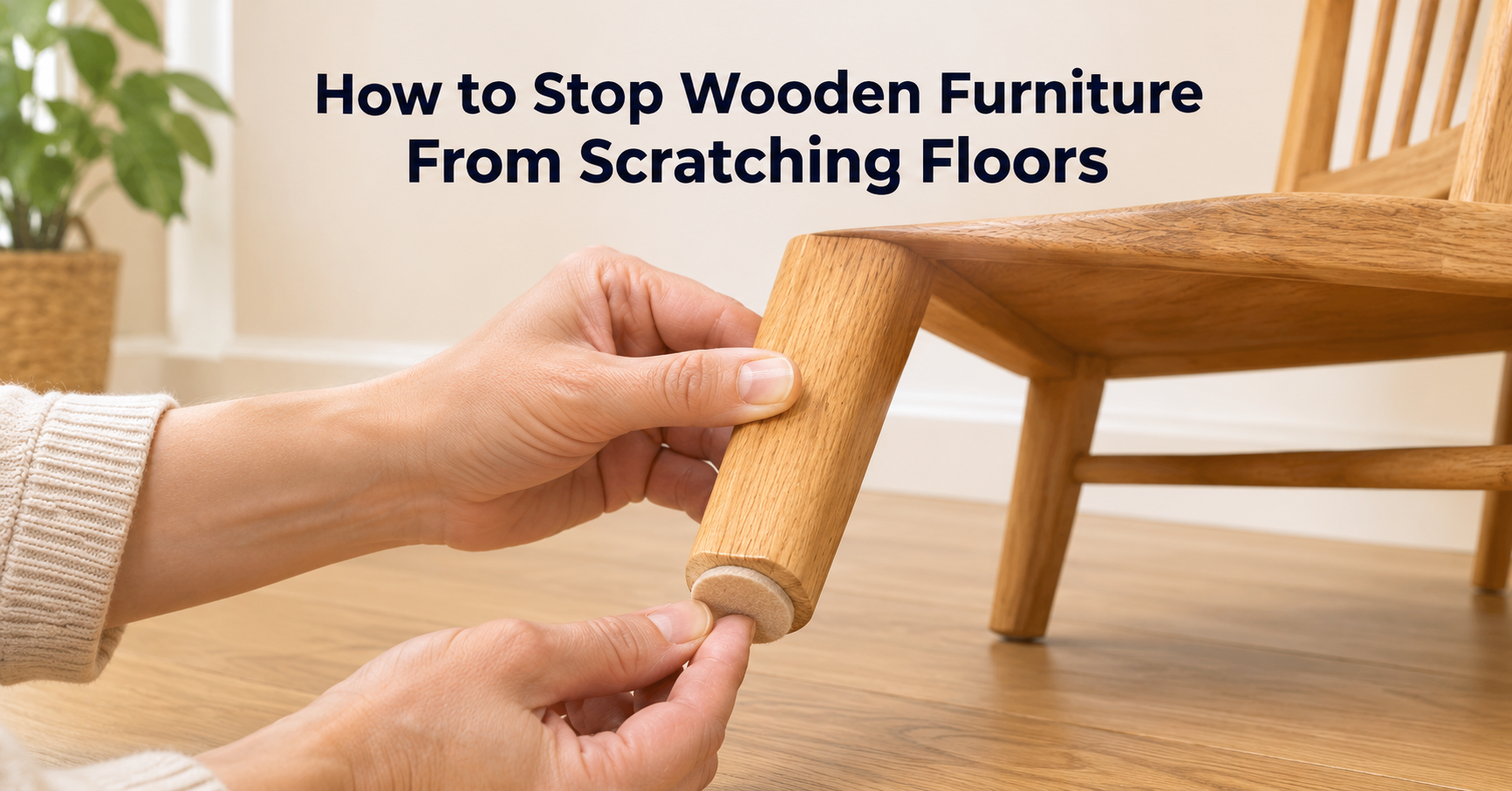
If it seems like the mattress is moving, check whether the entire bed frame is shifting. Place rubber furniture grippers or cups under the legs, or lay a non-slip rug pad under the frame. This is especially useful on hardwood, tile, and laminate floors.
Which Method Is Best for You?
| Method | Best For | Effort | Result |
|---|---|---|---|
| Non-slip mattress pad | Smooth slats and platform beds | Very easy | Good, no tools needed |
| Hook-and-loop strips | Any frame with a flat base | Easy | Very strong grip |
| Mattress retainer bars | Platform beds without a rail | Moderate | Strong, long-term |
| Shelf liner or rug pad | Slatted frames and box springs | Very easy | Good and low cost |
| Headboard or footboard | Frames missing an end panel | Moderate to hard | Stops end-to-end slide |
| Correct mattress size | Gaps wider than a couple of inches | Replacement needed | Fixes the root cause |
In most cases, you will get the best result by combining two methods, such as a grip liner on the slats plus hook-and-loop strips, or a retainer bar plus a properly fitted mattress.
Step-by-Step: Secure Your Mattress in 15 Minutes
- Remove the bedding and lift the mattress. Ask someone to help, as mattresses can be heavy and awkward.
- Inspect the frame. Tighten bolts, check the slats, and clean off dust or residue.
- Measure the frame and mattress. Note any gaps and decide if a retainer or a different size is needed.
- Lay the grip layer. Cut the shelf liner or non-slip pad to size and place it across the slats or platform.
- Apply hook-and-loop strips if you want extra hold. Attach them to the frame and the mattress in matching pairs.
- Lower the mattress into position. Center it so the gaps are even on all sides.
- Install retainer bars if your frame needs a barrier. Secure them firmly with the supplied hardware.
- Test it. Press and push the mattress from different directions and make adjustments if it still moves.
Mistakes to Avoid
- Using glue or strong adhesives. They can damage the mattress cover and leave sticky residue.
- Blocking airflow completely. A solid non-porous sheet under the mattress can trap moisture and cause mildew. Prefer mesh or perforated grips.
- Ignoring the mattress size. No accessory can fully fix a mattress that is too small.
- Leaving large gaps. Wide gaps between the mattress and frame can be a safety risk, especially for children. Keep the fit snug.
- Using a frame with weak slats. Wide slat spacing or broken slats lead to sagging and sliding.
- Using sticky or slippery items you have not tested. Always test a small area first.
Safety Notes
A mattress that slides can create gaps between the mattress and the frame or wall. These gaps can trap arms, legs, or small bodies, which is particularly dangerous for babies and young children. If you use a bed in a child’s room, keep the mattress tightly fitted, use rails or barriers designed for the bed, and follow the manufacturer’s instructions for your specific frame and mattress.
How to Keep Your Mattress from Sliding in the Long Term
- Check slats, screws, and brackets every few months.
- Rotate the mattress as recommended by the manufacturer to keep wear even.
- Replace worn-out grip pads or liners when they lose their texture.
- Keep the bed away from areas where it can be bumped or pushed.
- Use a snug fitted sheet and mattress protector to add a little extra friction.
- Replace a mattress or frame that no longer fits properly.
Helpful Products for a Stable Mattress
These products are widely used to solve a sliding mattress, and each solves a different part of the problem:
- Non-slip mattress pad: a gripping layer that sits directly beneath the mattress.
- Non-slip shelf liner or rug pad roll: an affordable material that you can cut to fit any frame.
- Heavy-duty hook-and-loop strips: adhesive fasteners for a secure and removable hold.
- Mattress retainer bars or brackets: bolt-on stoppers for platform beds.
- Furniture grippers or rubber cups: keep the bed frame itself from creeping across the floor.
- Grippy fitted mattress protector: adds friction and protects against spills and allergens.
- Replacement slats or a bunkie board: create a flat, stable support surface.
When to Replace the Frame or Mattress
If you have tried several fixes and the mattress still slides, the problem may be a worn-out or poorly designed frame, or a mattress that is the wrong size. Consider a bed frame with built-in side rails or a lip, or buy a mattress that matches your frame’s dimensions exactly.
Frequently Asked Questions
Why does my mattress keep sliding off the bed frame?
Usually because the surface under the mattress is smooth, the frame has no raised edge, or the mattress is a little smaller than the frame. Movement during sleep then slowly pushes the mattress out of place.
What is the cheapest way to stop a mattress from sliding?
A non-slip shelf liner or rug pad cut to size and placed between the mattress and the frame costs very little and works well on most beds.
Will a mattress topper or pad stop sliding?
A non-slip mattress pad with a rubberized underside can help. A regular topper with only elastic corners may not. Look for a grip or anti-slip base.
Should I use glue or tape to hold my mattress?
It is best not to. Glue and strong tape can damage the mattress cover and leave residue. Removable hook-and-loop strips, grip liners, or retainer brackets are safer.
Can a mattress that is too small slide more?
Yes. If there are large gaps around the sides, the mattress has room to move. Choose a mattress that matches the frame dimensions as closely as possible.
Does a box spring help prevent sliding?
Often yes, because fabric-covered box springs create more friction than bare slats. If the box spring slides on the frame, add a grip liner beneath it.
How do I stop my bed frame from sliding on the floor?
Place rubber furniture grippers or cups under the legs, or put a non-slip rug pad beneath the frame. On hard floors, also use felt or rubber caps to protect the surface.
Final Thoughts
A mattress that slides does not need to ruin your sleep. Start by finding the cause, then choose a fix that suits your bed, whether that is a non-slip pad, hook-and-loop strips, retainer bars, or a better-fitting mattress. Most solutions are inexpensive and can be done in minutes.
Secure your mattress, check it regularly, and enjoy a more stable, comfortable, and safer night of sleep.