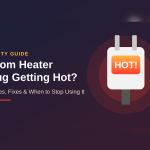
You touch the plug of your room heater and it is hot enough to make you pull your hand back. Is that normal, or is it a warning sign? A room heater plug that gets hot is one of the most common electrical complaints in winter, and it is also one of the most overlooked causes of household fires. This guide explains why it happens, how to tell a harmless warm plug from a dangerous one, what to do right now, and how to choose and use a heater safely.
Is It Normal for a Heater Plug to Get Warm?
Room heaters draw a lot of current, usually far more than a lamp, phone charger or TV. Whenever current flows through a plug, wire and socket, a small amount of heat is produced. So a plug that feels slightly warm after hours of use can be within normal range. A plug that feels hot, discolored, soft or smelly is not normal and needs immediate attention.
Why Does a Room Heater Plug Get Hot?
Heat at the plug almost always comes from resistance, meaning something is making it harder for electricity to flow smoothly. Extra resistance turns electrical energy into heat right at the weak point. Here are the most common causes.
1. Loose connection between plug and socket
If the plug wobbles or falls out slightly, the metal contact area becomes small. All the current then squeezes through a few tiny contact points, which heat up quickly. Old, worn sockets with weak internal springs are a major culprit.
2. Using an extension cord or multi-plug adapter
Many extension boards and cheap adapters are designed for lights and chargers, not for heaters. Thin wires and small internal contacts overheat when a heater runs through them for hours. Plugging a heater into a multi-plug with other devices makes the problem worse.
3. Overloaded circuit or high-wattage heater
A typical room heater is rated somewhere around 1000 to 2000 watts. That is a heavy load for a household socket and wire. If other high-power appliances such as a geyser, iron, microwave or air conditioner share the same line, the wiring can overheat.
4. Damaged, old or poor-quality plug
Plug pins can become dull, bent, corroded or loose over time. A low-quality plug with thin pins or cheap metal has higher resistance from day one and heats up faster than a good one.
5. Loose screws or wire inside the plug
If the cable inside the plug is not tightened properly, or a strand of wire has frayed, the connection becomes unstable. This is especially common with plugs that were replaced or repaired at home.
6. Damaged power cord
A cord that is bent sharply, crushed under furniture, chewed or cracked can have broken strands inside. The remaining strands carry too much current and heat up, often near the plug end.
7. Dirt, dust and moisture
Dust, corrosion and humidity at the contact points raise resistance. Bathrooms, kitchens and damp rooms are the usual places where this happens.
Warning Signs You Should Never Ignore
Stop using the heater immediately if you notice any of these:
- A burning or melting plastic smell near the plug or socket
- Brown or black discoloration on the plug or wall socket
- Plug body that looks softened, warped or melted
- Crackling, buzzing or sparking sounds
- The heater turning on and off by itself or flickering
- A circuit breaker or fuse that trips repeatedly
- A plug that is too hot to hold comfortably
What To Do Right Now If Your Heater Plug Is Hot
- Switch the heater off using its own switch if you can do so safely.
- Unplug it by gripping the plug body, never by pulling the cord. If the plug is melted or sparking, switch off the main power or the breaker for that circuit first.
- Let everything cool down completely before touching or inspecting anything.
- Inspect the plug, cord and socket. Look for discoloration, melted plastic, bent pins, cracks or a loose fit.
- Do not keep using it if you see any damage. Replace a damaged plug or cord, or have the heater serviced.
- Test in a different socket. If the plug stays cool in another good socket, the original socket is the problem and needs an electrician.
- Call a licensed electrician if the socket is scorched, the wiring feels hot, or the breaker keeps tripping.
How To Prevent a Room Heater Plug From Overheating
Plug the heater directly into the wall
Avoid extension cords and multi-plug adapters for heaters. If you absolutely must use an extension, choose a heavy-duty one that is clearly rated for the heater’s wattage, keep it as short as possible, and fully uncoil it.
Give the heater its own socket
Do not run a heater on the same line as other high-power appliances. A dedicated socket and circuit greatly lowers the chance of overload.
Check the fit and condition of the socket
A plug should fit firmly with no wobble. If it feels loose, the socket probably needs replacing. Old sockets with weak contacts are a hidden risk.
Match the wire and socket to the heater’s power
Check the wattage printed on the heater label. Higher-wattage heaters need properly rated wiring and sockets. If your home wiring is old, have an electrician confirm it can handle the load.
Keep plugs and sockets clean and dry
Dust and moisture increase resistance. Wipe the plug body with a dry cloth when it is unplugged, and never use a heater with wet hands or in a damp area.
Feel the plug during the first hour
Whenever you start using a heater in a new socket, check the plug after 30 to 60 minutes. A noticeable temperature rise at that stage is an early warning.
Do not use the heater overnight unattended
Even a good heater should not run all night without supervision. Choose a model with a timer and automatic shut-off if you want to use it near bedtime.
What To Look For When Buying a New Room Heater
If your current heater keeps overheating its plug, it may be time to replace it. A safer heater will not remove electrical problems at home, but good design reduces risk. Look for these features:
- Overheat protection: A thermal cut-off switches the heater off if internal temperature gets too high.
- Tip-over protection: The heater shuts off automatically if it falls or tilts.
- Adjustable thermostat: Keeps the room at a set temperature and prevents constant maximum load.
- Multiple power settings: Lets you choose a lower wattage when full power is not needed.
- Thick, quality power cord and solid plug: A heavy cord with a firm, well-built plug resists heating.
- Safety certification marks: Look for recognized safety approval on the label.
- Built-in timer: Prevents the heater from running for longer than needed.
- Cool-touch housing: Reduces burn risk, especially in homes with children and pets.
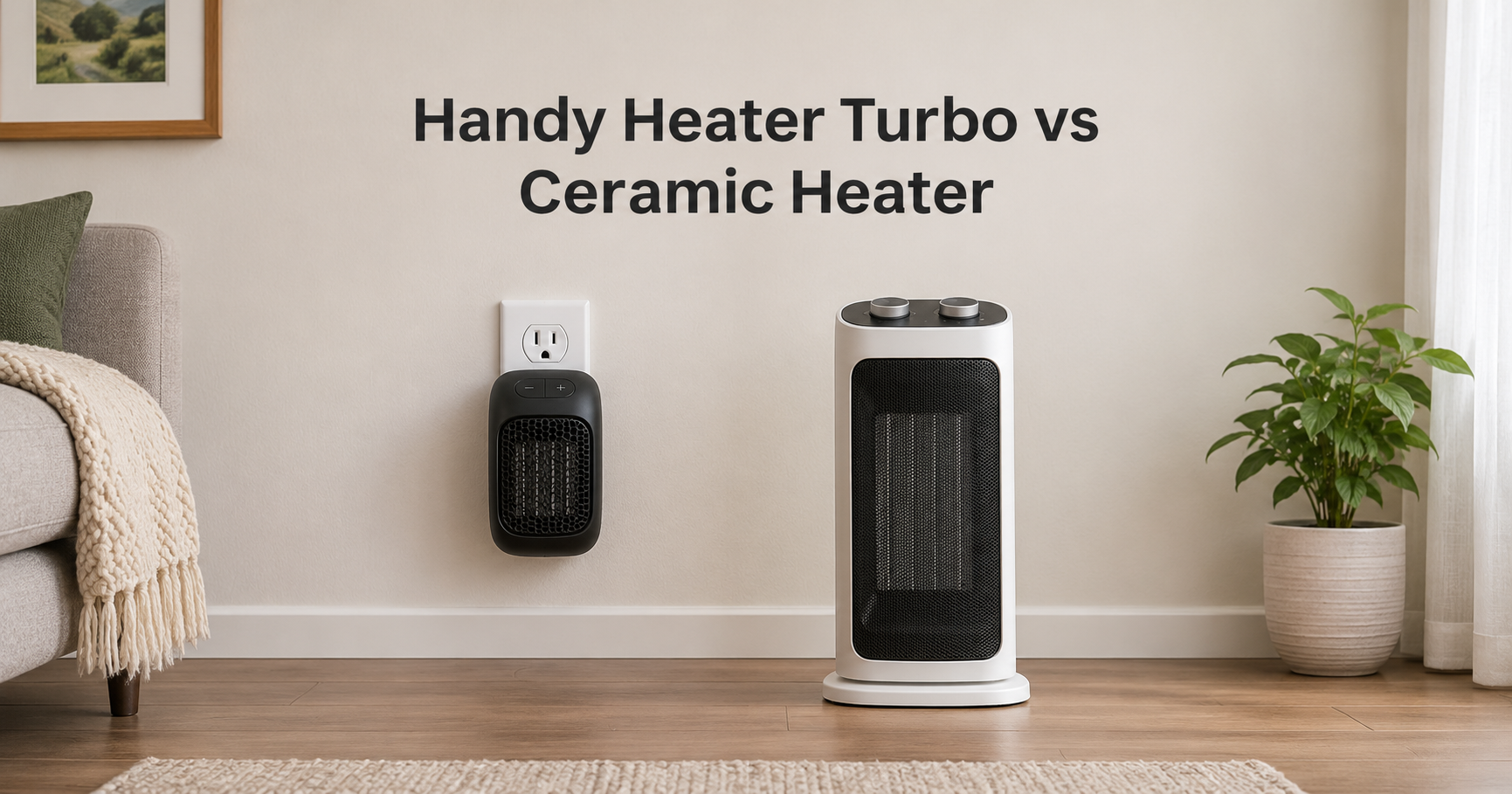
Types such as oil-filled radiators, fan heaters, ceramic heaters and halogen heaters all have different strengths. Oil-filled and ceramic models are often chosen for steady, even warmth, while fan heaters warm small spaces quickly. Whatever type you choose, check the wattage and make sure your socket and wiring can support it.
When To Call an Electrician
Call a qualified electrician instead of trying a home fix if:
- The wall socket is discolored, melted or hot even when the heater is off
- The plug is hot in more than one socket
- Breakers or fuses trip repeatedly when the heater runs
- You smell burning but cannot find the source
- Your home has very old or aluminum wiring
- Lights dim when the heater switches on
Electrical work can be dangerous. Avoid opening sockets or replacing wiring yourself unless you are trained to do so.
Frequently Asked Questions
Is it normal for a heater plug to get warm?
A slight warmth after long use can be normal because heaters draw high current. If the plug is too hot to hold or shows discoloration or smell, it is not normal.
Can a hot plug cause a fire?
Yes. Overheated plugs and sockets can melt plastic, damage wiring insulation and ignite nearby materials. This is why a hot plug should never be ignored.
Why does only the plug get hot and not the cord?
The plug is where the connection happens. A loose or worn contact point creates extra resistance, so the heat concentrates there instead of along the cord.
Is it safe to use a heater with an extension cord?
It is best to avoid it. If you must, use a heavy-duty cord rated for the heater’s power, keep it short, and check it frequently for heat.
Can I fix a melted plug myself?
Do not try to reuse a melted plug. The plug and often the socket should be replaced. If you are not trained, ask an electrician to do it.
Does a hot plug mean the heater is faulty?
Not always. The heater, plug, cord, socket or house wiring can each be responsible. Testing the heater in another good socket helps find where the problem lies.
Is it safe to leave a heater on overnight?
It is safer not to. If you do use one, choose a model with a thermostat, timer and tip-over protection, plug it directly into a healthy socket and keep the area around it clear.
Final Thoughts
A hot room heater plug is your electrical system telling you something is wrong. In most cases the cause is a loose connection, an overloaded line, an extension cord or a worn plug or socket. Unplug the heater, find the weak point, replace damaged parts and never keep using a plug that smells, melts or discolors. A few minutes of checking can protect your home, your family and your heater. Stay warm and stay safe this winter.
Disclaimer: This article is for general information only and is not a substitute for professional electrical advice. If you are unsure about the condition of your wiring, sockets or appliances, consult a licensed electrician.