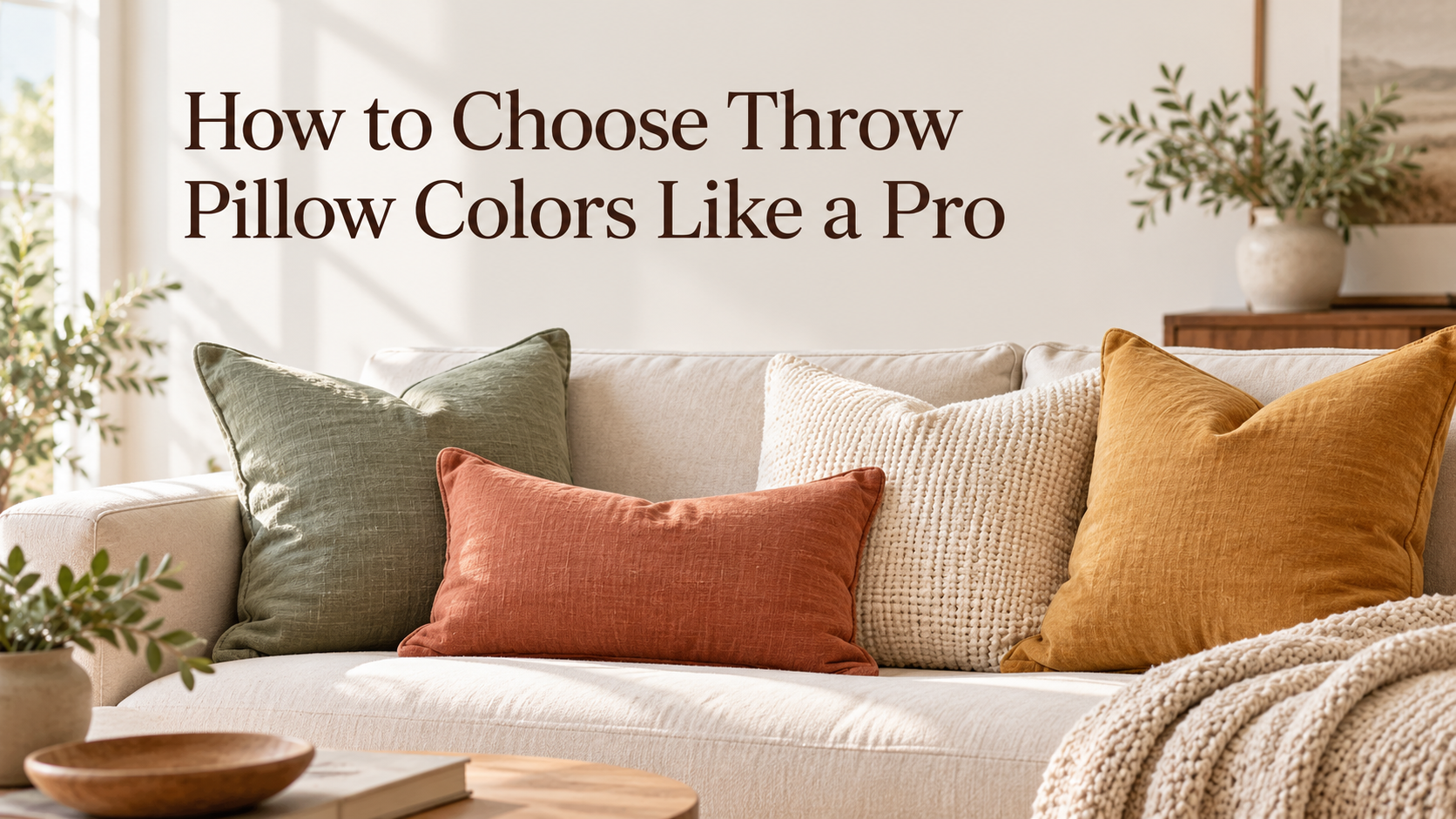











You bring home a beautiful new sofa, set it up in the living room, and something still feels missing. Nine times out of ten, the missing piece is throw pillows. But then comes the real question: how many throw pillows should a sofa have? Two look sparse, eight look like a pillow fort, and nobody wants to guess wrong.
The good news is that there is a simple, reliable answer, and it depends mostly on the size of your sofa. In this guide you will learn the exact pillow counts for loveseats, standard sofas and sectionals, the best sizes to mix, how to layer and arrange them, and the common mistakes that make a sofa look cluttered or unfinished.
Quick Answer
A loveseat looks best with 2 to 3 throw pillows, a standard three-seater with 3 to 5, and a large sofa or sectional with 5 to 8. Use an odd number for a relaxed, designer look, or matching pairs for a formal, symmetrical one.
The Simple Rule: Match Pillows to Sofa Size
Designers rarely count pillows at random. They look at how much seating space the sofa has and aim to cover roughly one third to one half of the back cushions. Any less and the sofa feels bare; any more and nobody can actually sit comfortably.

| Sofa Type | Approx. Width | Recommended Pillows |
|---|---|---|
| Armchair / accent chair | 30–40 inches | 1–2 |
| Loveseat (2-seater) | 52–68 inches | 2–3 |
| Standard 3-seater sofa | 78–90 inches | 3–5 |
| Extra-large 3-4 seater | 90–110 inches | 5–6 |
| L-shaped sectional | 100+ inches per side | 5–8 (3–4 per side) |
How Many Throw Pillows for Each Type of Sofa
Loveseat or Small Sofa: 2 to 3 Pillows
A small sofa has limited seating space, so every pillow you add takes room away from people. Two pillows, one at each end, create a clean and symmetrical look. If you want a little more personality, add a third smaller pillow or a lumbar pillow in front of one of the larger ones.
Standard Three-Seater Sofa: 3 to 5 Pillows
This is the most common sofa size, and it is also the easiest to style. Three pillows (one large at each end and one smaller in the middle or off to one side) is a classic starting point. Five pillows work beautifully if you want a fuller, layered, more luxurious feel, as long as you keep the pillows in a coordinated color palette.
Large Sofa or Sectional: 5 to 8 Pillows
Big sofas can handle more pillows because there is more surface to fill. On an L-shaped sectional, treat each arm as its own zone: group two or three pillows at each end and place one or two near the corner. Leave at least two full seat widths free of pillows so the sofa stays comfortable for everyday use.
Sofa with Pillow Backs vs. Tight Backs
A sofa with loose, plush back cushions already looks soft and full, so it needs fewer pillows. A sofa with a firm, tight back usually looks better with a couple more, because pillows add both softness and visual depth.
Odd Numbers vs. Even Numbers
You will often hear that designers prefer odd numbers such as 3 or 5, and there is a reason. Odd groupings feel natural and relaxed because they are slightly asymmetrical, which draws the eye around the arrangement. Even numbers feel formal, balanced and traditional.
| Style | Best Count | Look |
|---|---|---|
| Minimalist | 2–3 | Clean, modern, uncluttered |
| Balanced / Classic | 4 (two pairs) | Symmetrical, formal, tidy |
| Casual / Designer | 3 or 5 | Relaxed and layered |
| Cozy / Bohemian | 6–8 | Plush, full, inviting |
The Best Throw Pillow Sizes to Use
Size matters just as much as quantity. A sofa covered in tiny pillows looks cheap, while oversized pillows on a small sofa look overwhelming. The most useful sizes are 18, 20 and 22 inches square, with a rectangular lumbar pillow to finish the look.

- 18 × 18 inches: The safest all-rounder, ideal for small and medium sofas and for the front layer.
- 20 × 20 inches: The most popular size, perfect for standard sofas.
- 22 × 22 inches: Gives a plush, full look and works best at the back of large sofas.
- Lumbar (about 12 × 20 inches): A rectangular accent that adds shape variety and supports your lower back.
Pro tip: Buy pillow inserts about one inch larger than the cover. A 20-inch cover filled with a 22-inch insert looks firm, full and professionally styled instead of flat and droopy.
How to Arrange Throw Pillows on a Sofa
Once you know how many pillows you need, arrangement is what makes the sofa look intentional. The easiest method is the three-layer approach: large pillows at the back, medium pillows in the middle, and a small or lumbar pillow at the front.

- Start with the largest pillows. Place them in the corners against the arms or the back of the sofa.
- Add medium pillows in front. Angle them slightly so the layers are visible.
- Finish with one small or lumbar pillow. This is the accent that pulls the arrangement together.
- Keep the center open. Leave the middle seat free so the sofa still feels inviting.
- Do a “karate chop” on the top. Many stylists lightly dent the top of feather-filled pillows to create a relaxed, lived-in shape.
Symmetrical vs. Asymmetrical Layouts
For a symmetrical layout, mirror the same pillows on both ends of the sofa. It looks calm and formal. For an asymmetrical layout, place two or three pillows on one end and one or two on the other. It looks modern and relaxed, and it also leaves more room for people to sit.
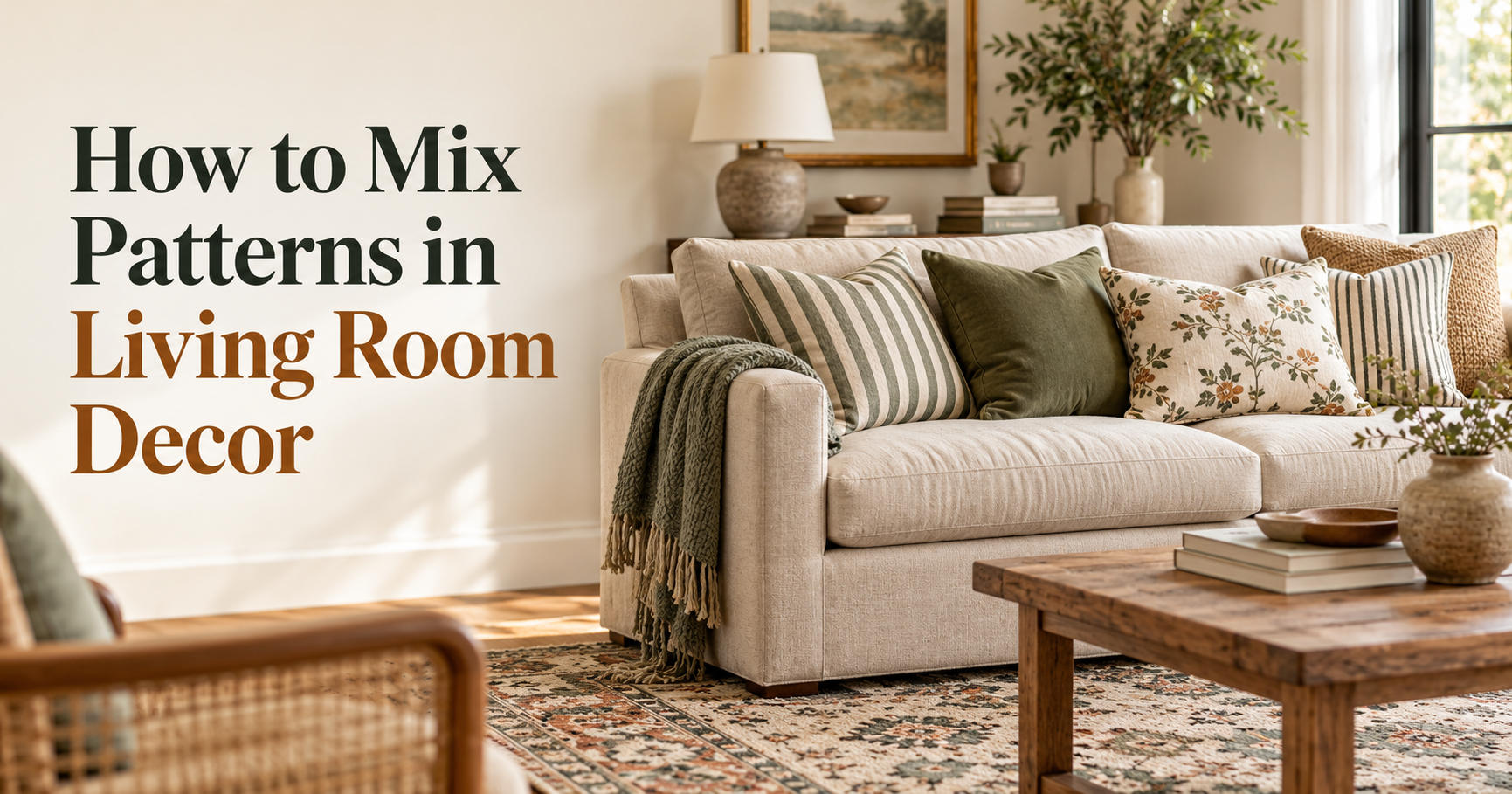
How to Choose Colors, Patterns and Textures
A great pillow count can still look messy if the pillows do not belong together. Use these simple guidelines:
- Pick a palette of two or three colors and repeat them across the pillows.
- Mix one bold pattern, one small pattern and one solid. Stripes with florals and a plain pillow is a reliable formula.
- Combine textures such as linen, velvet, boucle or knit to add richness without adding more colors.
- Match your sofa: on a neutral sofa, use color; on a patterned sofa, stick to solids and subtle textures.
Comfort First: Do Not Sacrifice Seating
A sofa is for sitting. If you have to throw half the pillows on the floor every time you want to relax, you probably have too many. A good rule is to keep the number low enough that at least two people can sit comfortably without moving anything. Households with kids, pets or frequent guests will usually be happier with fewer, sturdier pillows in washable covers.
Choosing Quality Pillows and Inserts
If you are shopping for new throw pillows, a few features are worth paying attention to, because they decide how good the sofa looks after a few months, not just on day one.
- Insert fill: Down-alternative or feather-blend inserts hold their shape and feel luxurious. Polyester fiberfill is budget friendly but flattens faster.
- Removable covers with hidden zippers: They make cleaning easy and let you refresh your style by swapping covers each season.
- Fabric durability: Look for tightly woven fabrics such as cotton blends, performance fabrics or velvet for high-traffic sofas.
- Washability: Machine-washable covers are a lifesaver in homes with children or pets.
- Size match: Always check that the insert size suits the cover so the pillow looks full.
Common Throw Pillow Mistakes to Avoid
Avoid These Mistakes
- Using too many pillows so that no one can sit.
- Buying pillows that are all the same size and shape.
- Choosing pillows that are too small for the sofa, which makes the room look cheap.
- Mixing too many colors and patterns with no common thread.
- Using flat, under-stuffed inserts that sag.
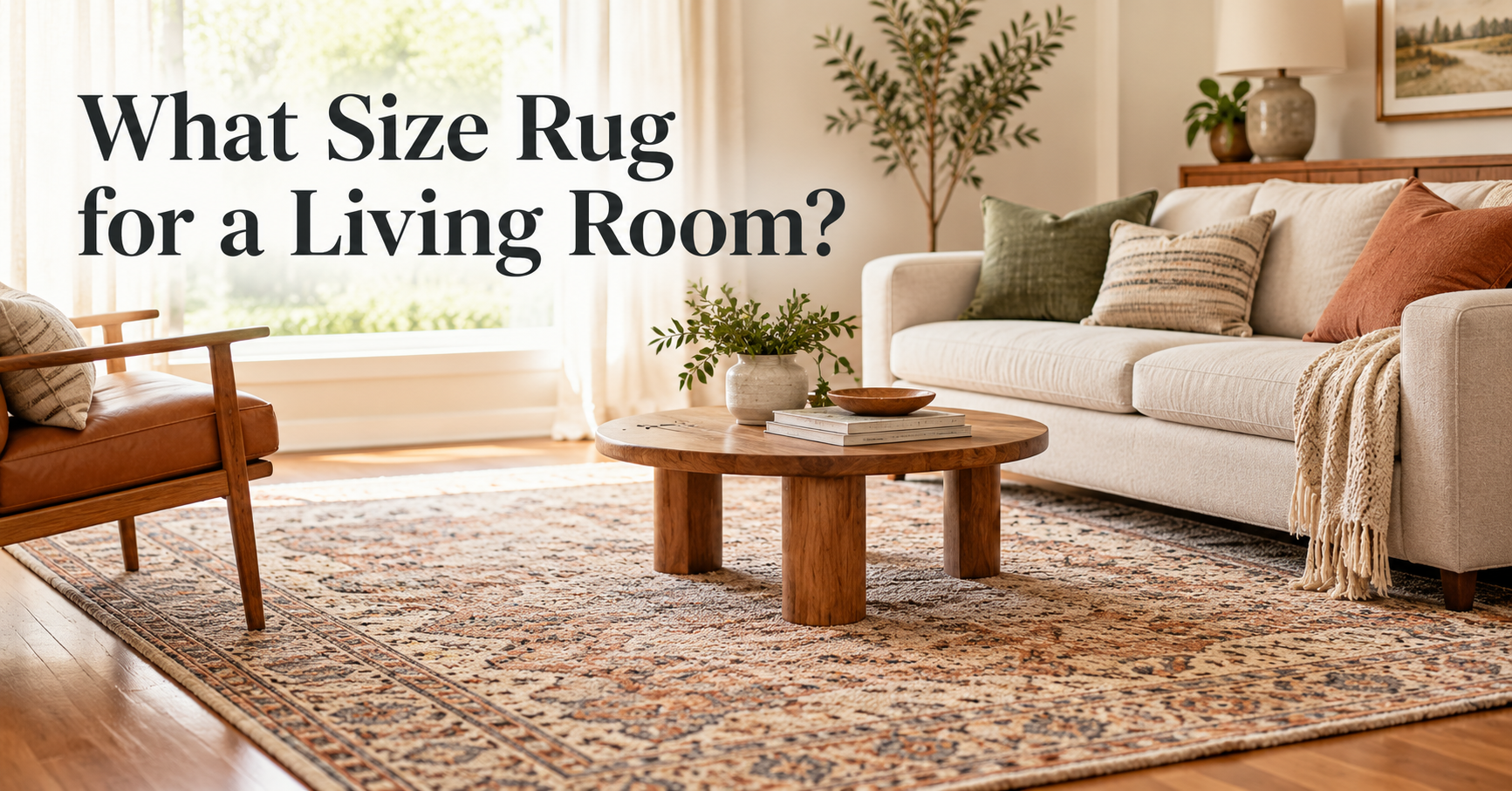
- Forgetting the room: pillows should echo the rug, curtains or artwork.
Seasonal Styling Ideas
One of the best things about throw pillows is how easily they change a room. Swap covers instead of buying entirely new pillows: light linen and soft pastels in spring and summer, then warm velvet, knit and deep earthy tones in autumn and winter. You keep the same count and the same inserts, and the sofa feels brand new.
Frequently Asked Questions
How many throw pillows should a 3-seater sofa have?
Between three and five. Three is clean and simple, while five gives a fuller, layered look.
How many throw pillows should a sectional have?
Usually five to eight in total. Think of it as three or four per side, grouped near the arms and the corner, while leaving enough open seating.
Should throw pillows match each other?
They should coordinate, not match exactly. Repeat colors or textures but vary the patterns and sizes.
Is it better to use odd or even numbers of pillows?
Odd numbers feel relaxed and modern; even numbers feel formal and symmetrical. Both are correct, so choose what suits your room.
How many throw pillows are too many?
If you cannot sit comfortably without removing pillows, or if the pillows cover most of the seat back, you have too many.
What size throw pillows look best on a sofa?
Twenty-inch pillows suit most sofas. Use 22-inch pillows for large sofas, 18-inch for small ones, and add a lumbar pillow as the final accent.
Final Thoughts
So, how many throw pillows should a sofa have? For most homes, three to five pillows on a standard sofa is the sweet spot, with two or three for a loveseat and five to eight for a sectional. Mix two or three sizes, layer from large to small, stick to a simple color palette, and always keep enough open seat for real life. Get those few things right and your sofa will look styled, comfortable and welcoming every day.