









Why Does My Living Room Look Cluttered? 12 Hidden Causes and Easy Fixes
You tidy up, put things away, and wipe down the surfaces, yet the living room still feels busy, crowded, and somehow messy. If that sounds familiar, you are not alone. Many people clean regularly but still feel their space looks cluttered, and the reason is often not dirt or loose items at all.
A room can look cluttered because of furniture size, color, layout, lighting, open storage, and visual “noise,” not only because of things left lying around. This guide explains the real reasons a living room looks cluttered and gives a simple fix for each one.
Real Clutter vs. Visual Clutter
There are two kinds of clutter, and knowing the difference is the first step to solving the problem.
- Physical clutter: too many items, things without a home, piles on surfaces, and objects on the floor.
- Visual clutter: a room that looks busy because of too many colors, patterns, small decor pieces, exposed cables, or poorly arranged furniture, even when everything is technically “put away.”
12 Reasons Your Living Room Looks Cluttered
1. You Own More Than Your Space Can Hold
The most common cause is simple: there are more belongings than storage. When every shelf, drawer, and cabinet is full, the overflow lands on tables, the floor, and the sofa. Fix: edit what you own. Remove duplicates, broken items, and anything unused for a year, and keep storage at about 80 percent full so there is room to breathe.
2. Items Do Not Have a Fixed Home
Remotes, chargers, mail, books, and toys that have no assigned place end up on the nearest surface. Fix: give every frequently used item a permanent spot, such as a tray for remotes, a basket for blankets, and a charging station for devices.
3. Surfaces Are Overloaded
Coffee tables, side tables, and TV stands covered with many small objects look busy even when neatly arranged. Fix: limit each surface to two or three items, such as a tray, a plant, and one decor piece. Leave empty space on purpose.
4. Furniture Is Too Large or Too Many Pieces
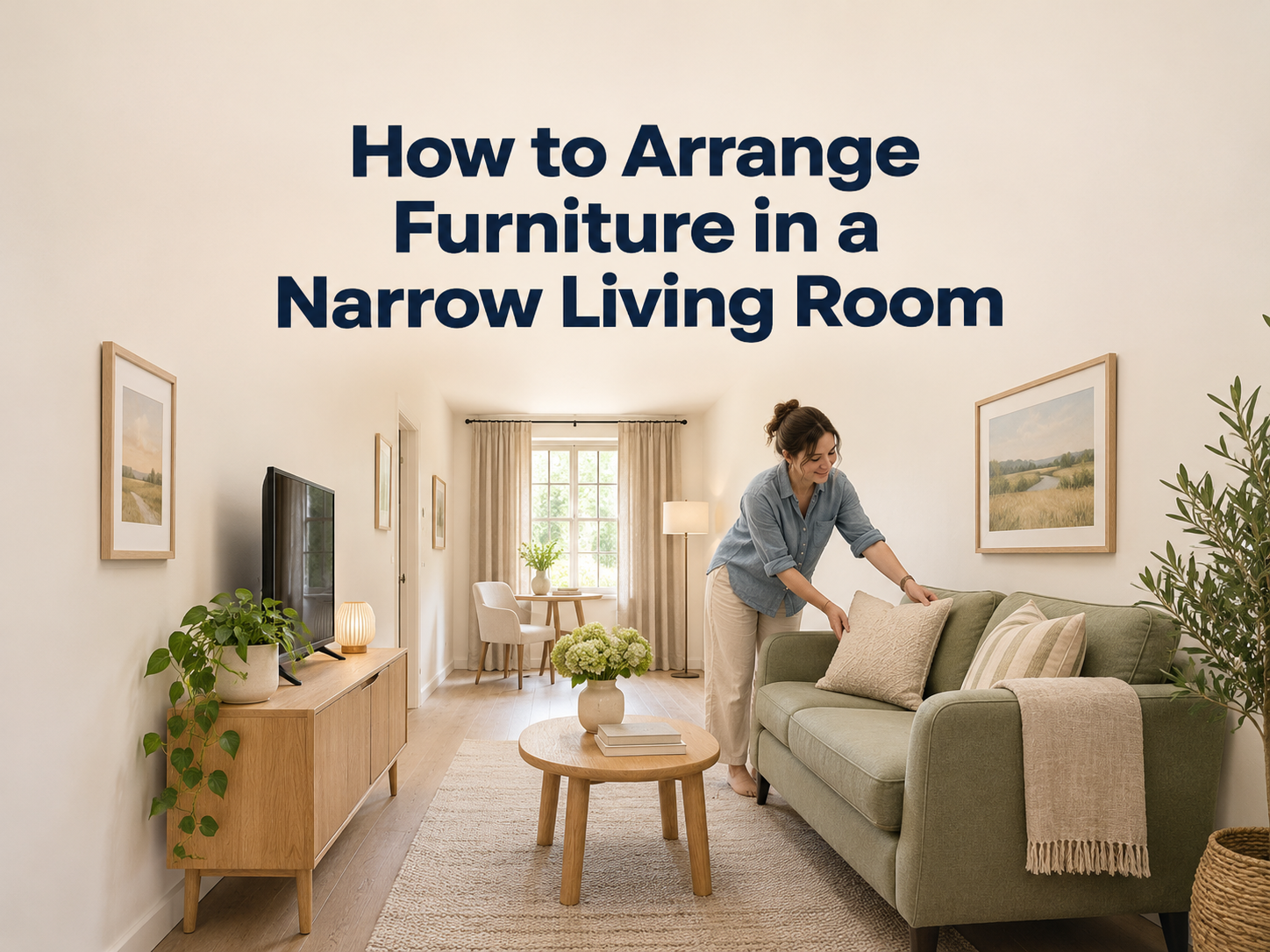
Oversized sofas, bulky tables, and extra chairs shrink the visible floor and block movement. Fix: measure the room and choose furniture in proportion to it. Remove pieces that are not used, and keep clear walking paths.
5. Open Shelving Shows Everything
Open shelves display every book, box, and trinket, which creates constant visual noise. Fix: mix open and closed storage. Use baskets, boxes, and cabinet doors for everyday items, and display only a few curated pieces.
6. Too Many Colors, Patterns, and Textures
A mix of many colors, prints, and finishes makes a room feel chaotic. Fix: choose a simple palette of two or three main colors plus a neutral base. Repeat colors across the room, and use only one or two bold patterns.
7. Small Decor Items Everywhere
Many small ornaments, frames, and trinkets create visual noise because the eye cannot rest on any one thing. Fix: group small items together, or replace several small pieces with one larger statement piece.
8. Cords, Cables, and Electronics Are Exposed
Tangled cables behind the TV, power strips, and chargers on the floor make a room look messy at a glance. Fix: use cable clips, cord covers, and cable boxes, and hide routers and power strips where possible.
9. Poor Furniture Layout
Furniture pushed randomly, blocking walkways, or floating without a clear focal point makes a room feel disorganized. Fix: arrange seating around one focal point, such as the TV or a window, keep paths open, and leave breathing room around each piece.
10. No Clear Zones
When one room serves as a play area, office, storage space, and entertainment area without structure, everything mixes together. Fix: define zones with rugs, shelving, or furniture placement, and give each zone its own storage.
11. Bad Lighting Highlights Mess
Harsh overhead light shows every detail and flattens the room, while dim corners create shadowy, heavy areas. Fix: use layered lighting with lamps, warm bulbs, and task lights so the room feels balanced and calm.
12. Daily Habits Let Clutter Return
Even a perfectly organized room slips back without routines. Setting things down “for later” and skipping a daily reset lets piles grow. Fix: adopt a five-minute evening reset and the one-touch rule: put an item away the first time you pick it up.
A Simple Action Plan to Fix a Cluttered-Looking Living Room
- Clear all surfaces: remove everything from tables, shelves, and TV stands, then return only the items you love or use daily.
- Edit your belongings: sort into keep, relocate, donate, and discard.
- Add closed storage: use baskets, cabinets, and storage ottomans for items you need but do not want to see.
- Simplify the palette: remove or swap items that clash with your main colors.
- Tame the cords: bundle and hide every visible cable.
- Rearrange the layout: create a clear focal point and open walkways.
- Improve lighting: add warm lamps and remove harsh overhead glare.
- Set a routine: five minutes each evening, and a short weekly reset.
Easy Rules to Remember
- The 80 percent rule: never fill storage beyond about 80 percent.
- The rule of three: no more than three objects per surface grouping.
- One in, one out: remove an old item whenever a new one comes home.
- Leave negative space: blank walls and empty shelf areas are part of good design.
Frequently Asked Questions
Why does my living room look messy even after I clean it?
Usually because of visual clutter: too many items on display, busy colors, exposed cables, or a crowded layout. Cleaning removes dirt, but only editing and simplifying removes visual noise.
How do I make a cluttered living room look clean quickly?
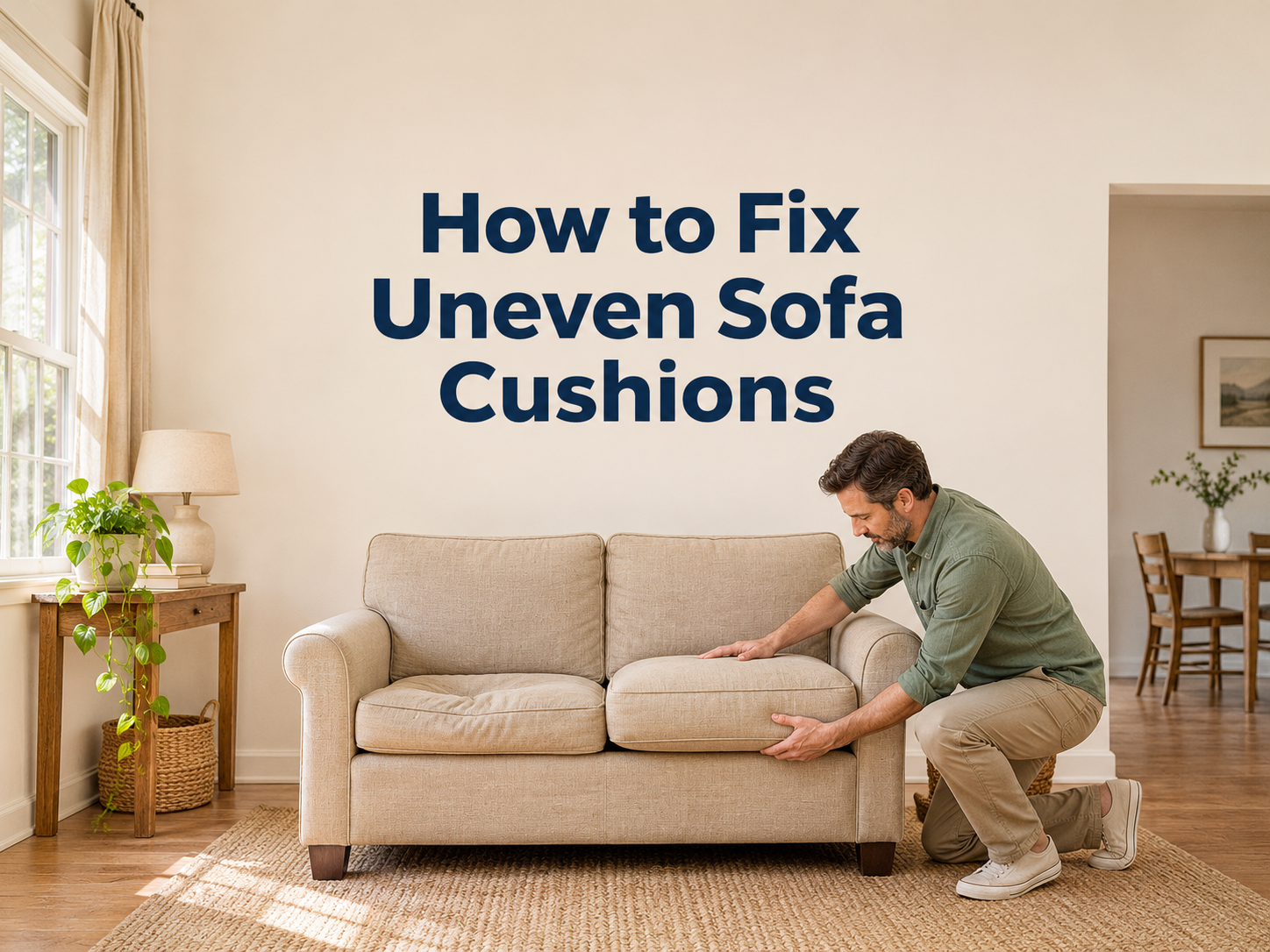
Clear the surfaces, hide small items in baskets, tuck away cords, fluff and straighten cushions and throws, and leave some empty space. These quick steps often change the look within minutes.
Can furniture make a room look cluttered?
Yes. Oversized pieces, too many pieces, and furniture blocking walkways can make a room look crowded even when nothing is on top of it. Proportion and layout matter as much as tidiness.
Do open shelves make a room look cluttered?
They can. Open shelves show everything on them, so they work best with a limited number of curated items. Add baskets or closed cabinets for everyday things.
How can I keep my living room from looking cluttered again?
Give every item a home, keep storage below capacity, use a five-minute daily reset, and follow the one-in, one-out rule for new items.
Final Thoughts
If you keep asking why your living room looks cluttered, the answer is rarely just “too much stuff.” It is usually a mix of too many belongings, no fixed homes, overloaded surfaces, oversized furniture, visual noise, exposed cords, and habits that let things pile up. Find the causes that apply to your space, fix them one by one, and your living room will feel calmer, brighter, and far more inviting.