







How to Maintain Home Decor Accessories: A Complete Care Guide
Home decor accessories are an investment in how your space feels. A handmade vase, a brass candleholder, a framed print or a woven basket can all lose their charm if they fade in the sun, collect grime, crack from dry air or get chipped in storage. The good news is that maintaining decor does not take hours. It takes the right habits, done regularly.
In this complete guide you will learn how to maintain home decor accessories so they look fresh for years: how to protect them from sun, damp and heat, how to care for each material, how to handle and store them safely, how to spot problems early, and a simple schedule you can follow all year.
Quick answer
To maintain home decor accessories, clean them gently and regularly, keep them out of direct sun, damp and heat, handle them with both hands, check them monthly for cracks or loose parts, repair small damage early, and store seasonal pieces wrapped in acid-free tissue in a cool, dry place. Follow a weekly, monthly and seasonal routine so nothing gets forgotten.
What you will learn
- Why regular maintenance protects both your decor and your budget
- The five pillars of decor care
- How to control light, humidity and temperature
- Material-by-material care for ceramic, glass, wood, metal and more
- How to handle, place and repair pieces safely
- How to pack and store seasonal decor
- A simple weekly, monthly and yearly maintenance plan
Why Maintaining Decor Accessories Matters
Many people only think about decor when it looks dirty or breaks. By then, the damage is often permanent. Sun fades color, humidity swells wood, tarnish eats into metal, and small cracks spread. Regular care helps you in three ways:
- It saves money. Replacing damaged pieces is far more expensive than a few minutes of care each week.
- It keeps your home looking its best. Clean, undamaged decor makes every room feel finished and cared for.
- It protects sentimental and collectible pieces. Family heirlooms, travel souvenirs and handmade items cannot always be replaced.
- It supports a healthier home. Less dust, mold and grime on surfaces means fewer allergy triggers and cleaner air.
The 5 Pillars of Home Decor Maintenance
Every successful care routine rests on five simple ideas. Master these and almost any accessory becomes easy to look after.
- Clean gently. Dry dust first, then use a barely damp cloth only on sturdy items.
- Protect from the environment. Control sunlight, humidity and heat.
- Handle and store with care. Lift correctly, place securely and pack properly.
- Inspect regularly. Catch cracks, loose joints and wear early.
- Rotate seasonally. Swapping decor gives every piece a rest and a check-up.
Pillar 1: Protect Decor from Light, Humidity and Heat
Most damage to decor comes from the environment, not from daily use. Controlling three simple factors prevents most problems before they begin.
Sunlight
Ultraviolet light fades fabrics, paper, painted finishes and some plastics, and dries out wood and leather. Direct sun can also heat glass, which can crack thin or old pieces and concentrate light onto surfaces nearby.
- Keep fabrics, prints, photographs and painted pieces out of direct sun
- Use sheer curtains, blinds or UV-filtering window film during bright hours
- Rotate items every few months so one side does not take all the light
- Avoid placing glass or crystal where it can focus sunlight onto wood or fabric
Humidity
Air that is too dry can crack wood and loosen glued joints, while air that is too damp encourages mold, rust, musty smells and warping. Keep indoor humidity between about 30 and 50 percent.
- Use a small hygrometer to monitor the room
- Use a dehumidifier in damp rooms and a humidifier in very dry ones
- Keep decor away from bathrooms, kitchens and basements unless it is made for moisture
- Allow air to circulate behind frames and large pieces
Temperature and Heat Sources
- Avoid placing decor directly above radiators, heating vents or fireplaces
- Keep wax candles, resin pieces and plastics away from warm windows and hot appliances
- Move delicate pieces away from cold drafts and sudden temperature changes
Pillar 2: Clean Regularly and Gently
Cleaning is the most visible part of maintenance, but it is also where most accidental damage happens. Follow a simple order every time:
- Lift the item and inspect it for cracks, chips or loose parts.
- Dust with a dry microfiber cloth or a soft brush, working from top to bottom.
- Only if the item is sturdy and sealed, wipe with a cloth that is dampened with water and a drop of mild soap, then wrung nearly dry.
- Dry immediately with a clean cloth, and let the item air dry fully before returning it.
Never spray cleaner directly onto decor, and never soak items with glued parts, unsealed wood, plaster or paper. Moisture trapped in crevices is a common cause of stains and mold.
Material-by-Material Care Guide
Different materials need different care. Use this table as a quick reference, then read the details for the items you own.
| Material | Regular care | What to avoid |
|---|---|---|
| Ceramic and porcelain | Soft brush or dry cloth, occasional damp wipe | Soaking cracked pieces, sudden temperature changes |
| Glass and crystal | Dry microfiber, buff with a lint-free cloth | Hot water, abrasive pads, direct sun focus |
| Wood | Dry cloth along the grain, occasional wax or oil | Wet cloths, standing water, dry heat |
| Brass, copper and silver | Dry buffing, polishing cloth when tarnished | Prolonged moisture, abrasive cleaners |
| Resin and plastic | Slightly damp cloth, dry afterwards | Heat, harsh solvents, direct sun |
| Fabric and woven items | Vacuum with a brush, spot clean, air out | Soaking, rubbing hard, direct sun |
| Stone and marble | Dry or lightly damp cloth, pH-neutral cleaner | Vinegar, lemon, acidic cleaners |
| Dried and faux flowers | Cool air from a hair dryer, soft brush | Dampness, heat, handling roughly |
Ceramic, Porcelain and Pottery
Handle by the body and not by handles, rims or necks. Check unglazed bases for chips before placing items on delicate surfaces, and add small felt pads to protect your furniture. Avoid moving ceramics from cold to hot environments, which can cause crazing.
Glass and Crystal
Wash with lukewarm water and a drop of mild soap, then dry with a lint-free cloth. Support the base of any stemmed or vase-shaped piece while washing. Avoid dishwashers, which can etch and cloud glass over time.
Wood Decor
Dust along the grain and avoid placing wooden items on damp surfaces. Once or twice a year, apply a light coat of furniture wax or food-safe oil appropriate for the finish, buffing away any excess. Keep wood away from radiators, which can dry and crack it.
Brass, Copper, Silver and Other Metals
Metals tarnish when exposed to moisture, air and fumes. Dust often and buff with a dry cloth. When tarnish appears, use a polishing cloth or a metal polish designed for that metal, and test on a hidden spot first. Lacquered brass should not be polished with abrasive products.
Stone, Marble and Concrete
Natural stone is porous and etches when it meets acids such as vinegar, lemon juice or wine. Wipe with a soft damp cloth and a pH-neutral cleaner, dry well, and use coasters or trays under cups and candles.
Fabrics, Cushions, Throws and Lampshades
Follow the care label. Wash removable covers on a gentle cycle, air dry out of direct sun, and use a lint roller or brush attachment for dust between washes. Unplug lamps and let them cool before cleaning shades.
Baskets, Rattan and Wicker
Vacuum with a soft brush and wipe with a lightly damp cloth. Natural fibers can dry out, so keep them away from heat and direct sun, and let them dry fully after cleaning to prevent mildew.
Candles and Candle Holders
- Trim wicks to about a quarter inch (6 mm) before each burn to reduce soot
- Burn long enough for the wax to melt across the surface to avoid tunneling
- Stop using a candle when about half an inch (1 cm) of wax remains
- Keep lids on when not burning to protect the surface from dust
- Wipe soot from nearby decor promptly
Frames, Mirrors and Wall Art
Dust frames regularly and wipe glass with a lightly dampened cloth, never spraying liquid directly onto the glass where it can seep behind the frame. Keep art out of direct sun and away from damp walls. Check hanging hardware every year.
Dried Flowers, Faux Plants and Pampas Grass
Dust with a cool hair dryer or soft brush, and keep these items away from humidity, which can cause mold and fading. Replace dried arrangements when they become brittle or shed excessively.
Live Plants and Planters
Empty saucers so water does not stain surfaces, wipe leaves gently with a damp cloth, and use a protective mat under planters. Check pots for cracks and rotate plants for even light.
Pillar 3: Handle, Place and Secure Items Safely
A surprising amount of damage comes from handling. A few habits prevent most chips and breaks.
- Use both hands. Lift items from the base and support the body, not just the handle or neck.
- Clear your path. Know where you are putting the item before you pick it up.
- Remove rings and bracelets that can scratch or knock fragile surfaces.
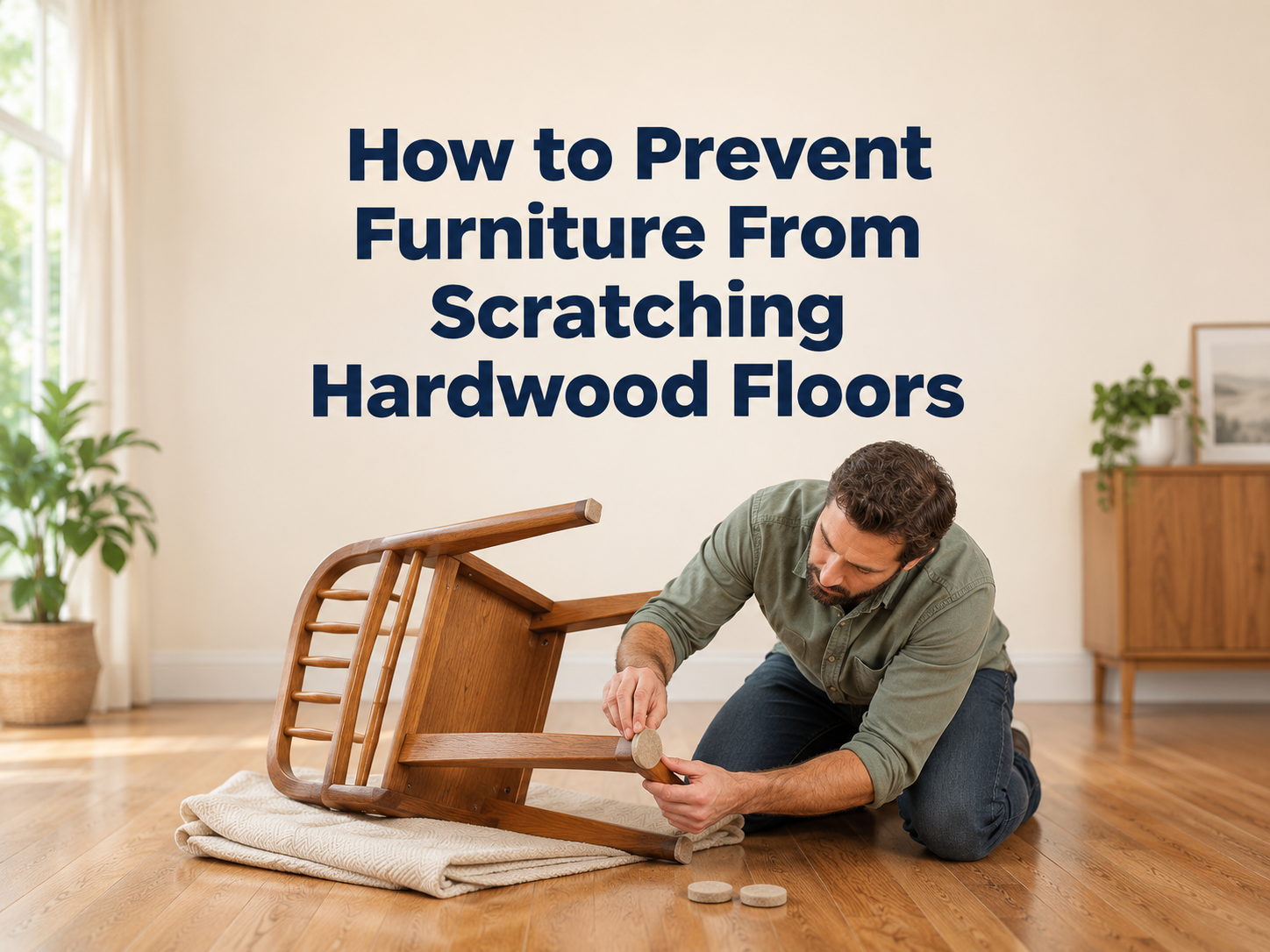
- Add felt or silicone pads under bases to protect furniture and reduce slipping.
- Secure tall or top-heavy pieces with museum putty, especially in homes with children, pets or earthquakes.
- Keep pieces away from edges and from busy walkways.
- Use shelves and cabinets that can handle the weight of your pieces.
Pillar 4: Inspect and Repair Small Problems Early
Once a month, pick up your decor and take a close look. A quick inspection takes only a few minutes and prevents small issues from turning into large ones.
- Look for hairline cracks, chips and loose joints
- Check bases for wobbling or uneven feet
- Inspect lamps and cords for damage; unplug and replace any frayed cords
- Look for rust, tarnish, mold or sticky residue
- Check wall hooks, hangers and shelf brackets
Simple Repairs You Can Do at Home
- Ceramic chips and breaks: use a clear-drying two-part epoxy on clean, dry surfaces and hold until set
- Wobbly wood pieces: use wood glue and clamp until dry
- Scratched wood: use a matching wax filler stick or touch-up marker
- Loose screws and hardware: tighten gently and replace worn parts
- Worn felt pads: peel and replace with new ones
For antiques, valuable pieces and anything involving wiring or fire safety, hire a qualified professional instead of repairing at home.
Pillar 5: Store and Rotate Decor Properly
Seasonal rotation keeps your home fresh and gives each piece a rest from light, dust and handling. It is also the best moment for a deep clean and a full inspection.
How to Pack Decor for Storage
- Clean and fully dry every item before packing. Moisture trapped in a box causes mold and tarnish.
- Wrap each piece in acid-free tissue. Avoid newspaper, because the ink can transfer onto surfaces.
- Use bubble wrap or paper padding around fragile items, with soft wrap against the surface and bubble wrap over it.
- Place the heaviest items at the bottom of a sturdy box and lighter items on top.
- Fill empty gaps so nothing can shift, and add a silica gel packet to absorb moisture.
- Label the box with the contents and the room, and take a photo of how the display looked so you can recreate it.
Where to Store Decor
- Choose a cool, dry, climate-controlled place such as a closet, under a bed or a dedicated shelf
- Avoid attics, garages and damp basements, where temperature and humidity swing widely
- Keep boxes off the floor on a shelf or pallet to protect them from leaks and pests
- Use sturdy plastic bins with lids for moisture and pest protection, and breathable boxes for textiles
A Simple Home Decor Maintenance Calendar
A schedule turns good intentions into habits. Start with this plan and adjust it to your home, pets and climate.
Common Maintenance Mistakes to Avoid
- Cleaning with harsh chemicals. Strong cleaners can strip finishes and damage glazes. Mild soap and water is almost always enough.
- Soaking decor in water. Moisture can loosen glued joints and damage wood, paper and plaster.
- Leaving items in direct sun. Fading and cracking are slow, but they are permanent.
- Storing in the attic or garage. Temperature swings damage wax, glue, fabric and finishes.
- Wrapping in newspaper. Ink can transfer and stain pieces.
- Ignoring small cracks. Hairline damage spreads, so repair early.
- Overcrowding shelves. Crowded items knock into each other and are harder to clean safely.
- Skipping the shelf or surface. A dusty surface re-dusts the decor in minutes.
Useful Supplies for a Decor Care Kit
A small, organized kit makes maintenance quick and encourages regular care. Here are the essentials and what to look for.
Microfiber Cloths and Soft Brushes
- Soft, lint-free cloths in a few colors so you can separate dry and damp tasks
- Soft detail brushes for carvings, textured glazes and dried flowers
- Washable duster heads for high shelves
UV Window Film and Sheer Curtains
- Films that block ultraviolet light while keeping rooms bright
- Light-filtering curtains that diffuse harsh sunlight
- Easy-to-install options that suit rented homes
Hygrometers and Dehumidifiers
- A small digital hygrometer that shows humidity and temperature
- A dehumidifier sized for the room if you live in a damp climate
- A humidifier with an automatic shut-off for very dry homes
Felt Pads, Museum Putty and Shelf Liners
- Self-adhesive felt pads for ceramics and wood bases
- Museum putty to secure items on shelves
- Non-slip shelf liners that protect surfaces
Acid-Free Tissue, Storage Boxes and Silica Gel
- Acid-free tissue paper for wrapping delicate items
- Sturdy, stackable storage boxes with dividers
- Silica gel packets to control moisture in storage
Polishing Cloths and Wood Care Products
- A treated polishing cloth for brass, copper and silver
- Furniture wax or oil suited to your wood finish
- A repair kit with clear epoxy, wood glue and touch-up markers
Display Cases and Glass Domes
- Clear covers that keep dust and moisture off valuable pieces
- Tight-fitting lids or bases
- UV-protective glass for sensitive items
Frequently Asked Questions
How often should I clean my home decor accessories?
Dust most pieces once a week and wipe sturdy items once a month. Delicate or antique pieces need only a soft brush every week or two. Do a deeper clean and inspection each season when you rotate your decor.
How do I keep decor from fading in the sun?
Move fragile items away from windows that get direct sunlight, use sheer curtains or blinds during the brightest hours, and consider UV-filtering window film. Rotate items occasionally so one side does not take all the light.
What humidity level is best for home decor?
Aim for a relative humidity of about 30 to 50 percent. Very dry air can crack wood and glue joints, while damp air can cause mold, warped wood, rust and musty textiles. A small hygrometer shows the reading at a glance.
How do I stop brass and metal decor from tarnishing?
Keep metal pieces dry, dust them regularly, and buff them with a clean, dry microfiber or polishing cloth. Store them in sealed bags with anti-tarnish strips if you pack them away, and avoid placing them near kitchens or bathrooms where moisture and fumes are higher.
What is the best way to store seasonal decor?
Clean and dry each piece, wrap it in acid-free tissue, place heavy items at the bottom of a sturdy box, and label the box clearly. Store boxes in a cool, dry, climate-controlled space instead of an attic, garage or damp basement.
Can I repair chipped ceramic or broken decor at home?
Small chips and clean breaks on non-food ceramics can often be repaired with a clear-drying two-part epoxy. Clean the surfaces, apply the adhesive sparingly, hold the pieces together until set, and wipe away excess. For valuable or antique items, consult a professional restorer.
Should I use candles and delicate decor in the same room?
You can, but keep a safe distance. Soot and heat can stain nearby decor, so trim candle wicks, keep flames away from fabrics and paper, and place candles on stable, heat-safe surfaces.
Final Thoughts
Maintaining home decor accessories comes down to a few repeatable habits: clean gently, protect pieces from sun, damp and heat, handle them with care, inspect them often and store them properly. None of these tasks is difficult, and together they keep your favorite pieces looking as good as the day you brought them home.
Start small. Pick one shelf this week, check the pieces, clean what needs it and move anything out of the sun. Then add the monthly and seasonal routines from the calendar above, and your decor will stay beautiful for years.